


How to Maintain Hardwood Floors for Lasting Shine
Maintaining hardwood floors can be challenging, but it’s essential for preserving their beauty and value. This guide will cover effective cleaning techniques, product selection, and regular maintenance routines to keep your hardwood floors shining. You’ll learn how to address common issues and when to consider professional help. By following these tips, you’ll ensure your hardwood floors remain a stunning feature of your home for years to come.
Key Takeaways
- Regular cleaning and proper humidity management are essential for maintaining hardwood floors
- Use pH-neutral cleaners and avoid harsh chemicals to protect the floor’s finish
- Promptly address spills and scratches to prevent long-term damage to hardwood floors
- Implement a cleaning schedule based on floor usage and perform seasonal deep cleaning tasks
- Consider professional maintenance services for deep cleaning, refinishing, and ongoing floor care programs
Understand the Basic Care Requirements for Hardwood Floors

Proper care of hardwood floors involves understanding finish types, cleaning frequency, furniture protection, and humidity management. These factors, along with considerations for laminate flooring and prevention of water damage, ensure long-lasting shine. By addressing ultraviolet exposure and pet-related concerns, homeowners can maintain their floors’ beauty and durability, even in high-heat environments.
Identify the Types of Finishes on Your Hardwood Floors
Hardwood floor finishes come in two main types: surface finishes and penetrating finishes. Surface finishes, such as polyurethane, form a protective layer on top of the wood, while penetrating finishes soak into the wood fibers. Understanding the finish type helps homeowners choose appropriate cleaning methods and furniture protection strategies.
Surface finishes are more common in modern homes and offer better resistance to moisture and stains. These finishes require regular dusting and occasional damp mopping with a pH-neutral cleaner. Avoid using ammonia-based products or excessive water, as these can damage the protective layer and potentially harm the wood underneath.
Penetrating finishes, often found in older homes, require more careful maintenance. These floors benefit from regular waxing to maintain their luster and protect against humidity changes. Using a humidifier in dry seasons can help prevent wood shrinkage and cracking. When placing furniture on penetrating-finished floors, use felt pads to distribute weight and prevent scratches.
Determine Cleaning Frequency Based on Foot Traffic
Determining the cleaning frequency for hardwood floors depends on the level of foot traffic they experience. High-traffic areas, such as entryways and living rooms, may require daily vacuuming to remove dirt and debris that can scratch the floor’s surface. These areas benefit from a polyurethane finish, which provides extra protection against wear and tear.
Medium-traffic areas, like bedrooms and home offices, typically need vacuuming two to three times a week. In these spaces, using a liquid cleaner specifically designed for hardwood floors can help maintain their beauty without damaging the finish. It’s important to avoid excessive moisture, as it can seep into the wood and cause warping.
Low-traffic areas may only require weekly cleaning. However, all hardwood floors should be inspected regularly for signs of wear or damage. This proactive approach helps preserve the floor’s lamination and overall appearance. For optimal results, homeowners should create a cleaning schedule based on their specific household needs:
Use Protective Pads for Furniture to Avoid Scratches
Protective pads serve as an essential barrier between furniture and hardwood floors, preventing scratches and maintaining the floor’s pristine condition. Homeowners should apply these pads to the legs of chairs, tables, and other movable furniture items. This simple step can significantly reduce the need for frequent sanding and refinishing, preserving the floor’s integrity over time.
When selecting protective pads, consider the weight of the furniture and the frequency of movement. Felt pads work well for lighter pieces, while rubber or plastic options suit heavier items. Regular inspection and replacement of these pads ensure continuous protection, much like maintaining a dishwasher or dehumidifier for optimal performance.
In addition to protective pads, area rugs can further safeguard high-traffic zones or areas where furniture is frequently moved. When placing rugs, use rug pads designed for hardwood floors to prevent slipping and additional scratching. By implementing these protective measures, homeowners can effectively maintain their hardwood floors, reducing the need for extensive repairs or premature replacement.
Manage Humidity Levels to Prevent Warping
Maintaining proper humidity levels is crucial for preventing warping in hardwood floors, especially in areas like the kitchen where moisture exposure is common. Homeowners should aim to keep indoor humidity between 35% and 55% year-round. Using a dehumidifier in damp conditions and a humidifier in dry seasons can help achieve this balance, protecting the wood from expanding or contracting excessively.
Regular monitoring of humidity levels using a hygrometer can prevent issues before they arise. In high-humidity environments, homeowners should avoid using a mop with excessive water, opting instead for a slightly damp mop with a microfiber or soft bristle head. This approach minimizes moisture exposure while effectively cleaning the floor, reducing the risk of warping or cupping.
Proper ventilation plays a significant role in humidity management. Homeowners should ensure adequate air circulation, particularly in areas prone to moisture accumulation. When placing chairs or furniture on hardwood floors, using breathable materials for protective pads can help prevent moisture from becoming trapped beneath them. The following table outlines recommended actions for different humidity levels:
Select the Right Cleaning Products for Hardwood Floors

Selecting appropriate cleaning products is crucial for maintaining hardwood floors, including engineered wood varieties. This section covers pH-neutral cleaners, avoiding harsh chemicals, natural solutions, and product testing. Proper cleaner selection helps prevent wear and preserves the floor’s finish, even in homes with air conditioning. Understanding these aspects ensures effective care for various wood types, including delicate surfaces like wool rugs placed on hardwood.
Use pH-neutral Cleaners for Effective Maintenance
pH-neutral cleaners play a crucial role in effective hardwood floor maintenance. These gentle solutions effectively remove dirt and grime without damaging the floor’s protective finish. Homeowners should use a vacuum cleaner to remove loose debris before applying the pH-neutral cleaner, ensuring optimal results.
When selecting a pH-neutral cleaner, it’s essential to avoid products containing abrasive ingredients or harsh chemicals. Water-based solutions are preferable, as they minimize the risk of excessive moisture exposure. For floors with a wax finish, specialized wax-compatible cleaners maintain the protective layer without stripping it away.
Regular use of pH-neutral cleaners helps preserve the hardwood’s natural beauty and extends its lifespan. These products are particularly effective for high-traffic areas, where frequent cleaning is necessary. By incorporating pH-neutral cleaners into their maintenance routine, homeowners can ensure their hardwood floors remain pristine and durable for years to come.
Avoid Harsh Chemicals That Damage the Finish
Harsh chemicals can severely damage hardwood floor finishes, leading to premature wear and tear. Homeowners should avoid products containing ammonia, vinegar, or abrasive ingredients that can strip away protective coatings. These chemicals can penetrate the wood, causing discoloration and structural damage over time.
To protect hardwood floors, homeowners should use gentle cleaning methods. Instead of harsh brushes or abrasive materials, soft microfiber mops effectively remove dirt without scratching the surface. When dealing with stubborn stains, spot-cleaning with a damp cloth and mild soap is preferable to using sandpaper or aggressive scrubbing techniques.
Moisture control is crucial in hardwood floor maintenance. Homeowners should promptly clean up spills and avoid leaving standing water, which can seep into the wood and cause warping. When cleaning near sinks or other water sources, extra caution should be exercised to prevent excessive moisture exposure, which can compromise the floor’s integrity and finish.
Consider Natural Cleaning Solutions for a Greener Approach
Natural cleaning solutions offer an eco-friendly approach to maintaining hardwood floors, including those made from plywood. A mixture of warm water and mild soap effectively removes dust and dirt without harsh chemicals. This method is particularly suitable for floors with delicate finishes or in homes with textile furnishings.
Homeowners can create a natural cleaning solution using white vinegar and water. This mixture cuts through grime while being gentle on the wood surface. For stubborn stains, a paste made from baking soda and water can be applied carefully, avoiding excessive scrubbing that might damage the finish.
When using natural solutions, it’s crucial to avoid oversaturating the floor. A damp mop or cloth is sufficient for cleaning, even on steel-reinforced hardwood floors. Regular dusting with a microfiber cloth prevents the accumulation of abrasive particles that could scratch the surface. Here’s a comparison of natural cleaning solutions:
Test New Products on a Small, Inconspicuous Area
Before applying new cleaning agents to hardwood floors, homeowners should test them on a small, inconspicuous area. This practice helps identify potential adverse reactions between the cleaning product and the wood flooring finish, particularly in high-moisture areas like bathrooms.
To conduct a proper test, apply the cleaning agent to a hidden corner or under a mat. Observe the area for 24 hours to ensure no discoloration, dulling, or damage occurs. This precautionary step prevents widespread damage to wood flooring and maintains its integrity.
If the test area shows no adverse effects, the cleaning agent can be used confidently on the entire floor. However, if any issues arise, homeowners should seek alternative products or consult a professional for advice on safe cleaning practices for their specific wood flooring type.
Implement Effective Cleaning Techniques for Lasting Shine
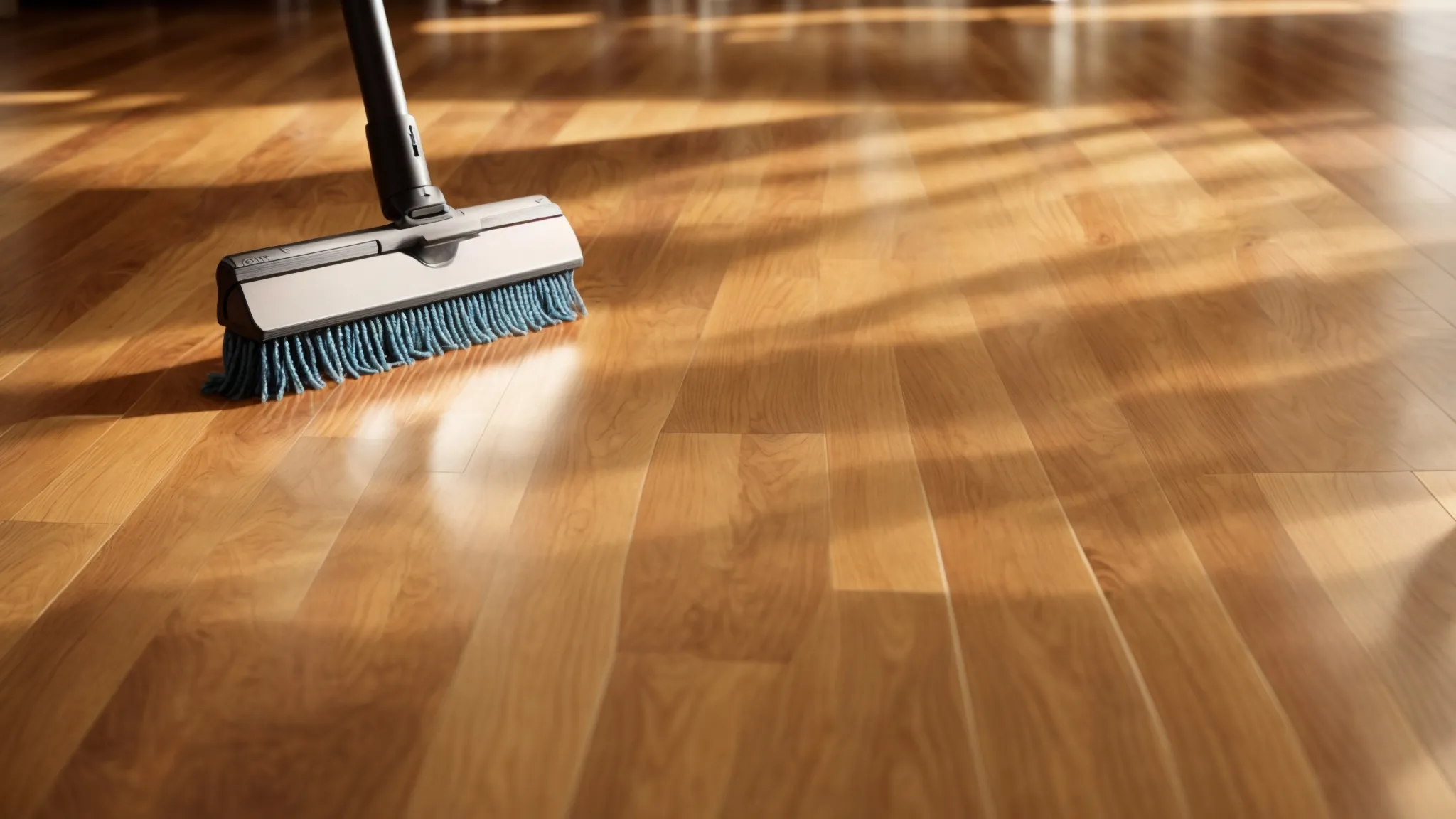
Effective cleaning techniques are crucial for maintaining hardwood floors’ lasting shine. This section covers using microfiber mops for safe cleaning, applying the right amount of solution to avoid residue, proper drying methods to eliminate moisture, and prompt spot cleaning of spills. These practices help remove debris, dirt, and stains without damaging the floor’s finish, ensuring longevity and beauty even in areas with glass or carpet transitions.
Use a Microfiber Mop for Safe and Thorough Cleaning
Microfiber mops offer a safe and thorough cleaning solution for hardwood floors, effectively removing soil without the risk of scratching. Unlike steel wool or abrasive materials, microfiber’s soft fibers trap dirt and dust particles, preventing them from being pushed around and potentially damaging the floor’s surface.
When using a microfiber mop, homeowners should employ a gentle sweeping motion to collect debris. For stubborn spots, applying slight pressure can help lift embedded dirt without causing harm. After cleaning, the microfiber pad can be easily washed and reused, making it an eco-friendly alternative to disposable cleaning towels.
Regular use of a microfiber mop helps maintain the hardwood floor’s shine by removing fine particles that can dull the finish over time. This method proves particularly effective in high-traffic areas, where frequent cleaning is necessary to prevent soil buildup and preserve the floor’s appearance and integrity.
Employ the Right Amount of Cleaning Solution to Avoid Residue
Using the correct amount of cleaning solution is crucial for maintaining hardwood floors. Excessive solution can leave residue, dulling the floor’s shine and attracting more dirt. Homeowners should follow manufacturer guidelines for dilution ratios and application methods to achieve optimal results.
A damp mop, not a wet one, is key to preventing residue buildup. The mop should be wrung out thoroughly before application, leaving it only slightly damp to the touch. This method ensures effective cleaning without oversaturating the wood, which can lead to warping or damage.
For stubborn stains or high-traffic areas, spot cleaning with a small amount of undiluted solution may be necessary. However, this should be followed by a thorough rinse with clean water to remove any remaining residue. Regular inspection of the floor after cleaning helps identify areas where residue may have accumulated, allowing for prompt correction:
- Check solution dilution before use
- Wring out mop thoroughly
- Spot clean stubborn stains
- Rinse areas with clean water
- Inspect floor for residue after cleaning
Follow Up With Drying Techniques to Eliminate Moisture
After cleaning hardwood floors, proper drying techniques are essential to eliminate moisture and prevent damage. Homeowners should use a clean, dry microfiber cloth or mop to absorb any remaining water immediately after cleaning. This step helps prevent water from seeping into the wood and causing warping or discoloration.
For larger areas, using fans or opening windows can accelerate the drying process. Homeowners should position fans to blow across the floor surface, promoting even air circulation. This method is particularly effective in high-humidity environments or after deep cleaning sessions.
In cases where significant moisture remains, a dehumidifier can be employed to reduce ambient humidity levels. Homeowners should monitor the floor’s surface closely during the drying process, addressing any pooling water promptly. The following table outlines effective drying techniques based on moisture levels:
Spot Clean Spills Promptly to Maintain the Finish
Prompt spot cleaning of spills is crucial for maintaining the finish of hardwood floors. Homeowners should address liquid spills immediately using a clean, absorbent cloth to prevent moisture from seeping into the wood. This quick action helps preserve the floor’s integrity and prevents potential staining or warping.
For sticky or stubborn spills, a slightly damp cloth with a pH-neutral cleaner can be used. Gently blot the affected area, avoiding excessive rubbing that could damage the finish. After cleaning, thoroughly dry the spot with a clean, dry cloth to remove any remaining moisture.
Regular inspection of high-traffic areas and places prone to spills, such as dining rooms or entryways, helps identify and address potential issues quickly. Homeowners should keep a cleaning kit readily available for prompt action when spills occur. This proactive approach ensures the longevity of the hardwood floor’s finish and appearance:
- Keep a cleaning kit accessible in high-risk areas
- Use absorbent cloths for quick liquid removal
- Apply pH-neutral cleaners for stubborn spills
- Blot gently to avoid damaging the finish
- Dry thoroughly after cleaning
Address Common Issues Affecting Hardwood Floors
Hardwood floors face various challenges that can affect their appearance and longevity. This section addresses common issues such as scratches, scuffs, water damage, and sun exposure. It provides effective solutions for repairing damage, restoring shine, and refinishing when necessary. By tackling these problems promptly and efficiently, homeowners can maintain their hardwood floors’ beauty and durability for years to come.
Tackle Scratches and Scuffs Effectively
Addressing scratches and scuffs on hardwood floors requires prompt action and appropriate techniques. For minor scratches, homeowners can use a hardwood floor repair kit, which typically includes a wax stick matching the floor color. The wax is melted into the scratch, then smoothed and buffed to blend with the surrounding area.
Deeper scratches may necessitate wood filler, sanding, and refinishing. Homeowners should choose a filler that matches the wood color and grain, applying it carefully to avoid excess. After the filler dries, gentle sanding with fine-grit sandpaper helps create a smooth surface before applying a matching stain and finish.
Scuff marks often respond well to gentle rubbing with a clean tennis ball or soft cloth. For stubborn scuffs, a mixture of baking soda and water can be applied with a soft cloth, using circular motions to lift the mark without damaging the floor’s finish. After treatment, the area should be wiped clean and dried thoroughly to maintain the floor’s integrity.
Repair Water Damage and Restore Shine
Repairing water damage on hardwood floors requires swift action to prevent further deterioration. Homeowners should immediately remove any standing water and use fans or dehumidifiers to dry the affected area thoroughly. For minor water stains, gentle sanding with fine-grit sandpaper followed by refinishing can often restore the floor’s appearance.
More severe water damage may necessitate replacing damaged boards. Professionals can carefully remove affected planks and install new ones that match the existing floor. After replacement, the entire floor may need refinishing to ensure a uniform appearance and protect against future damage.
Restoring shine to water-damaged hardwood floors involves cleaning, buffing, and applying a new protective finish. A pH-neutral cleaner removes residue, while buffing with a soft pad helps smooth the surface. Applying a fresh coat of polyurethane or other appropriate finish restores the floor’s luster and provides additional protection against future water exposure.
Refinish Hardwood Floors When Necessary
Refinishing hardwood floors becomes necessary when surface damage, deep scratches, or extensive wear compromise the floor’s appearance and protection. Homeowners should consider refinishing when regular cleaning and maintenance no longer restore the floor’s luster or when water begins to penetrate the wood’s surface. This process involves sanding down the existing finish, repairing any damage, and applying a new protective coating.
The refinishing process typically starts with thorough cleaning and preparation of the floor surface. Professional refinishers use industrial sanders to remove the old finish and a thin layer of wood, creating a smooth base for the new finish. They then apply wood filler to address any gaps or imperfections before staining the floor to the desired color and sheen.
After staining, several coats of a durable finish, such as polyurethane, are applied to protect the wood and enhance its appearance. Proper ventilation and drying time between coats are crucial for achieving a high-quality result. Homeowners should plan for the refinishing process to take several days, during which the floor cannot be walked on or exposed to moisture.
Manage Sun Exposure to Prevent Fading
Managing sun exposure is crucial for preventing fading in hardwood floors. Homeowners can install UV-resistant window films or use curtains and blinds to reduce direct sunlight. These measures help protect the wood from discoloration and maintain its original color and grain patterns.
Regularly rearranging furniture and area rugs can prevent uneven fading across the floor’s surface. This practice ensures that all areas of the hardwood receive similar amounts of light exposure over time, preserving a uniform appearance throughout the room.
Applying a UV-resistant finish during the floor’s initial installation or subsequent refinishing provides an additional layer of protection against sun damage. Homeowners should consult with flooring professionals to select the most appropriate UV-resistant products for their specific wood type and environment.
Establish a Regular Maintenance Routine for Optimal Shine
Establishing a regular maintenance routine is essential for preserving hardwood floors’ optimal shine. This section covers setting a cleaning schedule based on floor usage, incorporating seasonal deep cleaning tasks, monitoring wear to adjust maintenance practices, and educating family members on proper care. By implementing these strategies, homeowners can ensure their hardwood floors remain beautiful and durable for years to come.
Set a Cleaning Schedule Based on Floor Usage
Establishing a cleaning schedule based on floor usage is crucial for maintaining hardwood floors. High-traffic areas, such as entryways and living rooms, require daily sweeping or vacuuming to remove abrasive particles that can scratch the surface. These zones may also benefit from weekly damp mopping to address accumulated dirt and grime.
Medium-traffic areas, like bedrooms and home offices, typically need less frequent attention. Homeowners should aim to sweep or vacuum these spaces two to three times a week, with damp mopping performed bi-weekly. This approach balances cleanliness with the need to minimize moisture exposure, which can potentially damage the wood.
Low-traffic areas may only require weekly cleaning to maintain their appearance. However, regular inspection of all hardwood surfaces helps identify any developing issues or areas that may need additional attention. A well-structured cleaning schedule ensures consistent care while preventing unnecessary wear from over-cleaning:
Incorporate Seasonal Deep Cleaning Tasks
Seasonal deep cleaning tasks play a crucial role in maintaining hardwood floors’ optimal shine. Homeowners should perform thorough cleaning and inspection of their floors at the beginning of each season to address specific environmental challenges. This practice helps prevent long-term damage and preserves the wood’s natural beauty.
During spring and fall, homeowners should focus on removing accumulated dust and pollen that can scratch the floor’s surface. A deep clean using a pH-neutral wood cleaner followed by a thorough rinse helps eliminate these particles. Additionally, checking for and repairing any winter-related damage or summer sun fading ensures the floor remains in top condition.
Winter and summer deep cleaning tasks should address moisture-related issues. In winter, homeowners should clean and dry entryways frequently to prevent salt and snow from damaging the wood. Summer cleaning should focus on controlling humidity levels and cleaning up any water tracked in from outdoor activities. Regular waxing or reapplication of protective finishes during these seasons helps maintain the floor’s resistance to environmental stressors.
Monitor Wear and Adjust Maintenance Practices
Regular monitoring of hardwood floor wear is essential for maintaining optimal shine. Homeowners should inspect their floors monthly, paying close attention to high-traffic areas and locations prone to spills or sunlight exposure. This proactive approach allows for early detection of issues such as scratches, dullness, or water damage.
Based on observed wear patterns, homeowners can adjust their maintenance practices. For areas showing increased wear, more frequent cleaning and protective measures may be necessary. This might include applying additional coats of finish or using area rugs to distribute foot traffic more evenly.
Tracking the effectiveness of current maintenance routines helps homeowners refine their approach over time. Keeping a log of cleaning activities, products used, and observed results provides valuable insights for optimizing floor care. This data-driven method ensures that maintenance practices evolve with the changing needs of the hardwood floors:
Educate Family Members on Hardwood Care Practices
Educating family members on proper hardwood floor care is essential for maintaining lasting shine. Homeowners should organize a family meeting to discuss the importance of floor maintenance and demonstrate correct cleaning techniques. This approach ensures all household members understand their role in preserving the floor’s beauty.
Creating a simple, visual guide for hardwood floor care can help reinforce good habits. This guide should include dos and don’ts, such as using furniture pads, avoiding wet shoes on the floor, and proper spill clean-up methods. Placing this guide in visible areas reminds family members of best practices:
Implementing a reward system can encourage family members to maintain good floor care habits. Recognizing and praising efforts to protect the hardwood floors fosters a sense of responsibility and pride in home maintenance. Regular check-ins and discussions about floor condition help keep everyone engaged in the care process.
Explore Professional Maintenance Options for Hardwood Floors
Professional maintenance options offer specialized care for hardwood floors, ensuring lasting shine and durability. This section explores when to hire professional cleaners, the benefits of refinishing services, ongoing floor care programs, and how to find trusted service providers. These expert solutions complement regular homeowner maintenance, addressing complex issues and preserving the floor’s beauty over time.
Determine When to Hire Professional Cleaners
Professional cleaners should be hired when hardwood floors show signs of deep-seated dirt or dullness that regular maintenance cannot address. Homeowners may notice persistent stains, uneven shine, or a general loss of luster despite consistent cleaning efforts. In these cases, professional expertise can revitalize the floor’s appearance and protect its long-term integrity.
Scheduling professional cleaning is advisable before major events or seasonally, typically twice a year. This proactive approach ensures the floors remain in optimal condition and can prevent minor issues from escalating into costly repairs. Professional cleaners have access to specialized equipment and products that can effectively remove built-up grime without damaging the wood’s surface.
After significant wear or water damage, professional intervention becomes crucial. Experienced cleaners can assess the extent of the damage and recommend appropriate treatments, potentially saving homeowners from premature refinishing or replacement costs. Their expertise in identifying and addressing specific wood types and finishes ensures that the cleaning process enhances rather than harms the floor’s natural beauty.
Understand the Benefits of Refinishing Services
Professional refinishing services offer significant benefits for hardwood floors, restoring their original beauty and extending their lifespan. These services remove deep scratches, stains, and wear patterns that regular maintenance cannot address, effectively rejuvenating the floor’s appearance. By sanding down the existing finish and applying a new protective layer, refinishing restores the wood’s natural luster and provides enhanced durability against future wear.
Refinishing services also allow homeowners to update their floor’s color or finish, adapting to changing interior design trends without the cost of full replacement. Professional refinishers can apply custom stains and finishes, ranging from traditional glossy polyurethane to modern matte options, tailoring the floor’s appearance to the homeowner’s preferences. This versatility enhances the home’s overall aesthetic and potentially increases its market value.
Additionally, professional refinishing addresses underlying issues such as minor water damage or sun fading, preventing these problems from escalating into more serious concerns. The process seals the wood against moisture and UV rays, providing long-term protection that regular maintenance alone cannot achieve. Homeowners benefit from improved floor performance and reduced maintenance needs following a professional refinishing service, making it a cost-effective solution for long-term hardwood floor care.
Explore Ongoing Floor Care Programs
Ongoing floor care programs offer homeowners a structured approach to maintaining hardwood floors. These programs typically involve scheduled professional visits for deep cleaning, assessment, and preventive treatments. By establishing a regular maintenance routine with experts, homeowners can ensure their floors receive consistent care tailored to their specific needs and usage patterns.
Professional floor care programs often include services such as periodic refinishing, scratch repair, and protective coating applications. These comprehensive packages help prevent minor issues from escalating into major problems, potentially saving homeowners significant repair costs in the long run. Additionally, regular professional attention can extend the life of hardwood floors, preserving their beauty and value for years to come.
Many floor care programs offer customizable options to suit different budgets and floor conditions. Homeowners can choose from basic maintenance plans focusing on regular cleaning and inspection to more intensive programs that include annual refinishing or specialized treatments. This flexibility allows for tailored care that addresses the unique challenges of each home’s hardwood floors, ensuring optimal results and lasting shine.
Get Recommendations for Trusted Service Providers
Obtaining recommendations for trusted hardwood floor service providers is crucial for ensuring quality maintenance. Homeowners can start by consulting local flooring retailers, who often have relationships with reputable professionals in the area. These retailers can provide insights into service providers’ expertise, reliability, and customer satisfaction rates, helping homeowners make informed decisions.
Online review platforms and community forums offer valuable peer feedback on service providers. Homeowners should look for consistently positive reviews that mention specific aspects of the service, such as timeliness, professionalism, and results. It’s important to consider both recent and long-term reviews to gauge the provider’s track record and consistency in delivering quality service.
Professional associations for flooring contractors can be excellent resources for finding certified and experienced service providers. These organizations often maintain directories of members who adhere to industry standards and best practices. Homeowners can use these directories to identify local professionals with specific expertise in hardwood floor maintenance, ensuring they receive specialized care for their floors.
Conclusion
Maintaining hardwood floors for lasting shine is crucial for preserving their beauty, value, and longevity. Regular cleaning, proper care techniques, and addressing common issues promptly are essential for keeping hardwood floors in optimal condition. Implementing a consistent maintenance routine, using appropriate cleaning products, and protecting floors from damage are key to ensuring their durability and appearance over time. By following expert advice and seeking professional help when needed, homeowners can enjoy the timeless elegance and warmth of well-maintained hardwood floors for years to come.
