

Millions of Americans suffer from seasonal allergies, experiencing symptoms that range from mild discomfort to severe respiratory issues. While staying indoors can provide temporary relief, it’s not a foolproof solution as indoor environments can harbor numerous allergens that exacerbate symptoms.
Dust mites, pet dander, and even cockroaches can cause problems indoors. The Environmental Protection Agency recommends controlling contact with indoor airborne allergens, ventilating indoor areas, and using air cleaners to improve indoor air quality. Regular and proper cleaning is crucial in reducing allergen levels in homes, creating a healthier environment for allergy sufferers.
At Barefoot Clean Floors, we specialize in professional cleaning techniques that target allergen removal. For more information, call (602)603-4781.
Key Takeaways
- Seasonal allergies can be exacerbated by indoor allergens.
- Regular floor cleaning reduces allergen levels.
- Proper cleaning techniques improve indoor air quality.
- Professional cleaning services can provide deeper allergen removal.
- Healthy homes start with clean floors.
Understanding the Connection Between Floors and Seasonal Allergies
Floors serve as a reservoir for various indoor allergens that can trigger or aggravate seasonal allergy symptoms. These allergens can become airborne and be inhaled, exacerbating allergy symptoms.
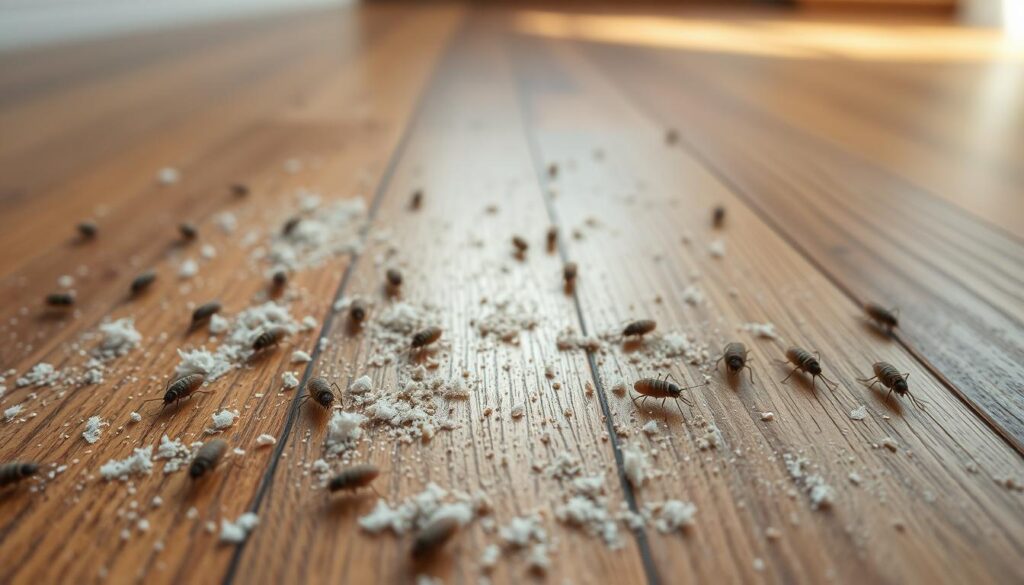
The relationship between floor cleanliness and indoor air quality is direct. Allergens that accumulate on floors become airborne during normal household activities, creating a cycle of exposure for allergy sufferers.
Common Indoor Allergens That Accumulate on Floors
Indoor allergens are substances that cause allergic reactions and trigger asthma symptoms in some people. They vary in size and are measured in microns.
Dust Mites and Their Impact
Dust mites are microscopic creatures that feed on human skin cells and thrive in warm, humid environments. A single gram of dust can contain thousands of these allergen-producing organisms, producing waste products that are among the most potent triggers for allergy and asthma symptoms.
Pollen Tracked Indoors
Pollen from trees, grasses, and weeds easily enters homes on shoes, clothing, and through open windows, settling on floor surfaces where it can remain active as an allergen for weeks. During peak pollen seasons, floors can accumulate significant amounts of these outdoor allergens.
Pet Dander and Other Particles
Pet dander consists of tiny flakes of skin shed by cats, dogs, and other animals with fur or feathers. It can remain suspended in the air for long periods before settling on floors, becoming airborne again during normal household activities. Unlike seasonal allergens, pet dander remains a year-round concern.
- Dust mites are a common allergen found on floors, particularly in carpets and upholstered furniture.
- Mold spores can develop on damp flooring materials, creating ongoing allergy triggers.
- The air spreads allergens around, and they settle onto furniture and floors.
Understanding the specific allergens affecting your household is the first step in developing an effective floor cleaning strategy to reduce allergy symptoms. By recognizing the role that floors play in harboring allergens, individuals can take proactive steps to minimize their exposure.
Effective Floor Cleaning Techniques to Reduce Allergens
Regular and proper floor cleaning can significantly decrease allergen presence in homes, improving indoor air quality and reducing the risk of seasonal allergies. Effective cleaning techniques vary based on the type of flooring, and understanding these differences is crucial for maximizing allergen removal.
Different Cleaning Approaches for Various Floor Types
Different flooring materials require specific cleaning approaches to effectively remove allergens without causing them to become airborne or damaging the floor surface.
Hardwood and Laminate Floors
For hardwood and laminate floors, using microfiber dust mops and appropriate cleaners is recommended. These tools capture allergens rather than dispersing them, and it’s essential to avoid excessive moisture that can damage these surfaces. Regular dust removal is crucial as smooth surfaces allow allergens to become airborne more easily when disturbed.
Carpet and Area Rugs
Carpets and area rugs present unique challenges as they trap allergens deep within fibers. Specialized cleaning techniques, including regular vacuuming with HEPA filter equipment and periodic professional deep cleaning, are necessary. For homes with allergy sufferers, experts recommend vacuuming carpeted areas at least twice weekly using slow, overlapping strokes.
Tile and Stone Surfaces
Tile and stone surfaces are more allergen-resistant than other flooring types but require attention to grout lines, which can harbor mold and bacteria. Periodic deep cleaning with appropriate sanitizing solutions is necessary.
| Floor Type | Recommended Cleaning Method | Frequency |
|---|---|---|
| Hardwood/Laminate | Microfiber dust mops and appropriate cleaners | Daily/Weekly |
| Carpet/Area Rugs | Vacuuming with HEPA filter, periodic deep cleaning | Twice Weekly/Monthly |
| Tile/Stone | Sweeping, mopping, and grout sanitizing | Weekly/Quarterly |
Using the right cleaning products is also crucial. Hypoallergenic, fragrance-free cleaning solutions are recommended for allergy sufferers. Vinegar-water solutions are particularly effective for many floor types without introducing additional irritants.
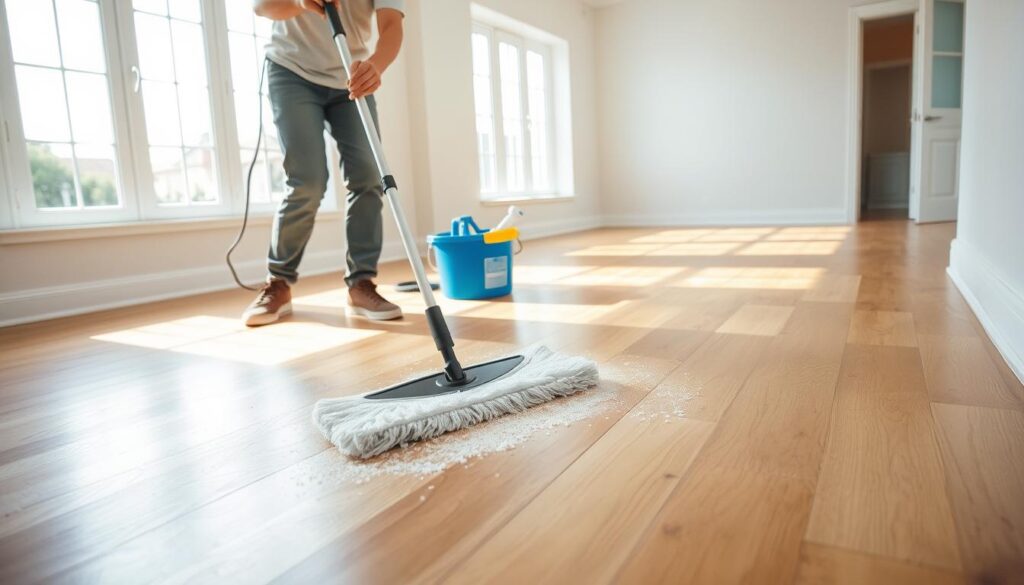
By adopting these effective floor cleaning techniques, homeowners can significantly reduce allergen presence, improving indoor air quality and creating a healthier living environment.
How Seasonal Allergies Can Be Reduced with Regular Floor Cleaning
One of the most effective strategies for mitigating seasonal allergies is through consistent floor cleaning. Seasonal allergies affect millions, causing discomfort and disrupting daily life. By understanding the role of floor cleaning in allergy management, individuals can take a significant step towards alleviating their symptoms.
Creating an Effective Cleaning Schedule
Establishing a consistent cleaning schedule is crucial for managing allergens. Different frequencies are needed for daily maintenance, weekly deep cleaning, and seasonal interventions. This multi-tiered approach ensures that allergens are kept under control throughout the year.
Daily Quick Cleaning Routines
Daily quick cleaning routines should focus on high-traffic areas where allergens like dust and pet dander accumulate most rapidly. Using microfiber tools that trap particles rather than redistributing them is essential. Even five minutes of daily maintenance cleaning can significantly reduce allergen buildup, particularly in entryways where outdoor allergens first enter the home.
Weekly Deep Cleaning Practices
Weekly deep cleaning practices should incorporate vacuum cleaners with HEPA filters that can capture particles as small as 0.3 microns, including common allergens like dust mites and pollen fragments. Special attention should be paid to areas where allergens concentrate, such as along baseboards, under furniture, and in corners where air circulation creates dust deposits.
Seasonal maintenance strategies should align with local allergy patterns, with more intensive floor cleaning during peak pollen seasons or when mold counts are high due to weather conditions. Essential tools for allergy-friendly floor cleaning include HEPA filter vacuums, microfiber mops that trap rather than spread particles, and steam cleaners that use heat to kill dust mites and denature allergens.
For homes with pets, additional cleaning measures are necessary to control dander, including more frequent vacuuming and the use of specialized pet hair removal tools that prevent allergens from becoming embedded in flooring. Complementary strategies like using air purifiers, controlling humidity levels, and implementing “clean zones” in bedrooms can enhance the effectiveness of floor cleaning in reducing allergy symptoms.
By adopting these strategies and maintaining a rigorous cleaning schedule, individuals can significantly reduce their exposure to allergens, thereby alleviating seasonal allergy symptoms and improving overall air quality.
Conclusion: Taking Control of Your Indoor Environment
By implementing the strategies outlined in this guide, you can significantly reduce the impact of seasonal allergies on your daily life. Taking control of your indoor environment through regular floor cleaning represents one of the most effective strategies for reducing allergy symptoms and creating a healthier living space.
Maintaining optimal humidity levels between 40-50% is crucial, as it helps prevent dust mite proliferation and mold growth, two common triggers for respiratory allergy symptoms. Using air conditioners to reduce humidity and prevent outdoor allergens from entering your home can also be beneficial. Keeping your windows and doors closed and using the air conditioner on recirculate can help minimize exposure to pollen and mold.
Creating allergen-free zones, particularly in bedrooms, can provide crucial respite for allergy sufferers. Professional deep cleaning services from Barefoot Clean Floors can complement your regular maintenance routine, reaching areas that household cleaning might miss. For persistent allergy issues, consider scheduling a professional consultation with Barefoot Clean Floors at (602)603-4781 to develop a customized floor cleaning protocol.
Remember, allergen control is an ongoing process requiring consistent attention to cleaning practices and environmental factors that influence indoor air quality. By investing in proper floor cleaning techniques and tools, you can significantly reduce allergy symptoms and improve the overall quality of life for everyone in your household.
Investing in a healthier indoor environment is a valuable step towards reducing the impact of seasonal allergies. By working with professional cleaning services when needed and maintaining a consistent cleaning schedule, you can create a healthier home environment year-round.
