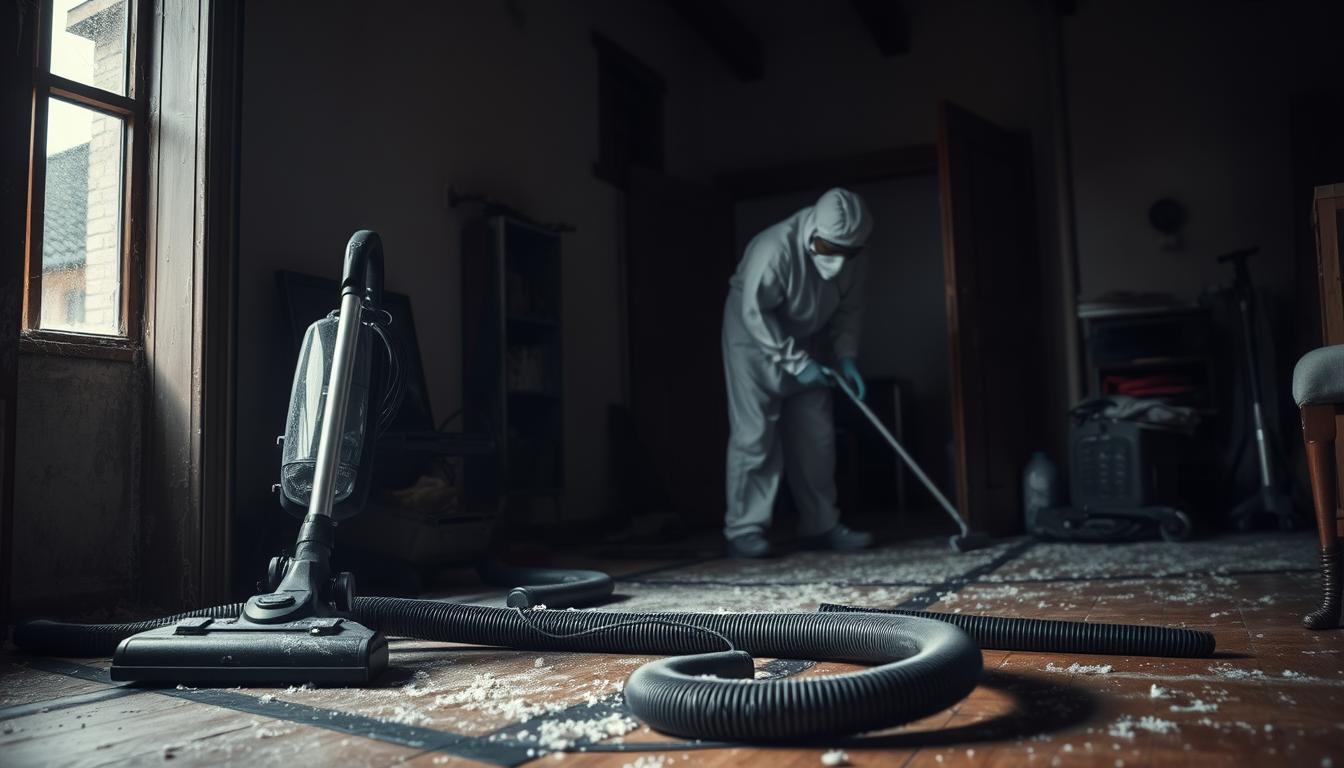

In many households and workplaces, a superficial clean is often mistaken for a truly clean environment. Surfaces are cleared, and floors are vacuumed, but beneath the surface, dust, bacteria, allergens, and grime remain.
Deep cleaning is more than just a thorough tidy; it’s about creating a healthier, safer space. By targeting hidden zones, high-touch surfaces, and buildup that standard cleaning overlooks, deep cleaning addresses the contaminants that can affect our health.
Barefoot Clean Floors employs advanced technologies and techniques to provide a comprehensive professional cleaning service that goes beyond surface cleaning. For those seeking a deeper clean, call (602)603-4781 to learn more about how they can benefit from a healthier living environment.
Key Takeaways
- Standard vacuuming is not enough to remove hidden contaminants.
- Deep cleaning targets high-touch surfaces and buildup.
- Professional deep cleaning services can improve health and safety.
- Barefoot Clean Floors offers comprehensive cleaning services.
- Advanced technologies are used to provide a deeper clean.
Beyond Surface Clean: Understanding What Lies Beneath
While regular vacuuming may leave your home looking clean, it often fails to address the hidden contaminants that can affect indoor air quality and health. The reality is that dirt and dust aren’t just surface-level issues; they encompass a complex mixture of dead skin cells, hair, dust, pollen, pet dander, food particles, mold spores, and airborne pollutants.
These particles settle into various parts of our homes, including fabrics, corners, and HVAC systems, contributing to indoor pollution. Without proper deep cleaning, mold can proliferate in damp areas, bacteria can spread across surfaces, dust mites can multiply in bedding and upholstery, and air quality can decline, particularly affecting those who suffer from allergies.
The Illusion of Cleanliness
At first glance, a home may appear clean, with surfaces wiped down and floors vacuumed. However, this appearance of cleanliness is often an illusion. Microscopic contaminants remain hidden from view, accumulating in carpets, upholstery, and other surfaces. These particles can significantly impact indoor air quality and health.
The composition of household dust is complex, including a variety of particles that can trigger allergies and respiratory issues. Understanding the nature of these contaminants is crucial for effective cleaning.
| Contaminant | Source | Health Impact |
|---|---|---|
| Dust Mites | Bedding, Upholstery | Allergies, Respiratory Issues |
| Mold Spores | Damp Corners, HVAC Systems | Respiratory Problems, Allergic Reactions |
| Pet Dander | Pet Areas, Upholstery | Allergies, Asthma |
What Your Eyes Can’t See: Microscopic Contaminants
Microscopic contaminants, including dust mites, pollen, pet dander, mold spores, bacteria, and viruses, are too small to be seen with the naked eye. Yet, they can have a significant impact on indoor air quality and health. These particles can become airborne, contributing to poor air quality, or they can settle on surfaces, creating reservoirs of potential allergens and pathogens.
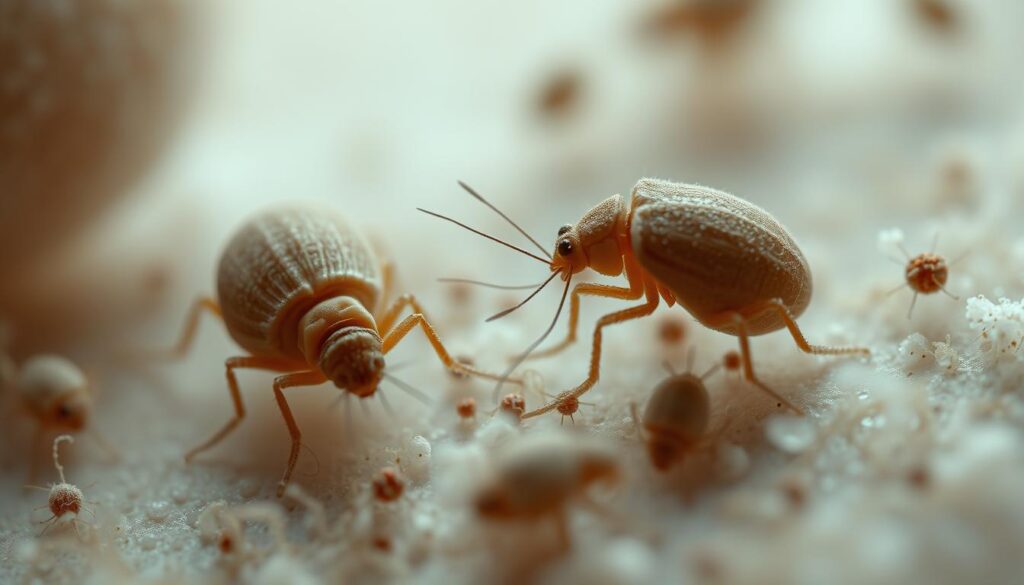
Professional cleaning equipment and techniques are designed to capture and remove these microscopic particles, improving indoor air quality and reducing health risks. By understanding the composition of household dust and the limitations of standard cleaning methods, homeowners can take steps to protect their health and the longevity of their flooring and furnishings.
Professional cleaning services utilize advanced technologies, such as HEPA filtration systems and hot water extraction, to effectively remove microscopic contaminants. This not only improves the appearance of cleanliness but also contributes to a healthier indoor environment.
The Science Behind Dirt Accumulation
Dirt accumulation is a multifaceted issue that affects not just the appearance but also the healthiness of our living spaces. Without regular deep cleaning, homes can become breeding grounds for harmful microorganisms. This section will explore the science behind dirt accumulation, focusing on the composition of household dirt and dust, how particles penetrate deep into flooring, and the biology of bacteria and allergen growth.
Composition of Household Dirt and Dust
Household dirt and dust are composed of various particles, including dead skin cells, hair, fabric fibers, and outdoor pollutants. Dust mites, tiny creatures that thrive in dusty environments, feed on these particles, contributing to the accumulation of allergens. Regular cleaning can help reduce the presence of these allergens, improving indoor air quality and overall health.
The composition of dirt and dust can vary greatly from one home to another, depending on factors such as location, lifestyle, and the presence of pets. Understanding what’s in your dirt and dust is crucial for effective cleaning.
- Common components include soil, pollen, and other outdoor pollutants.
- Indoor sources like cooking, smoking, and using certain household products also contribute.
- Human and pet dander are significant contributors to household dust.
How Particles Penetrate Deep Into Flooring
Particles don’t just sit on the surface; they penetrate deep into flooring, making it difficult for regular vacuuming to remove them completely. The type of flooring and its condition play significant roles in how deeply particles can penetrate.
For instance, carpeted floors are more prone to deep particle penetration due to their fiber structure. Once particles are embedded deep within the carpet, they can be challenging to remove without proper deep cleaning techniques.
The Biology of Bacteria and Allergen Growth
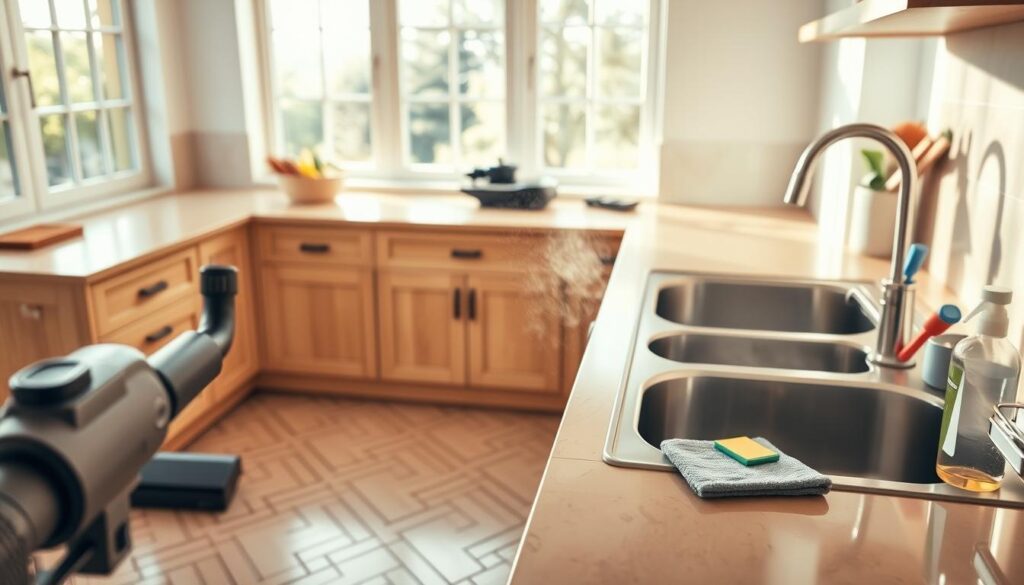
The biology of bacteria and allergen growth is a critical aspect of understanding dirt accumulation. Bacteria can survive on surfaces for extended periods, spreading from surface to surface and causing cross-contamination. Mould growth is also a significant concern, particularly in damp areas like bathrooms and kitchens.
Allergens such as dust mites and their waste products can exacerbate respiratory issues and allergic reactions. Understanding the ideal conditions for microbial growth (moisture, temperature, food sources) can help homeowners take preventive measures.
Regular deep cleaning is essential for interrupting these growth cycles and maintaining a healthy indoor environment. By controlling moisture levels and using appropriate cleaning methods, homeowners can reduce the risk of mould and bacteria growth, improving the overall quality of the air inside their homes.
The Limitations of Vacuum Cleaners
Despite advancements in vacuum technology, these devices still have significant limitations. While they are effective for surface cleaning, they often fail to remove deeply embedded dirt and contaminants from carpets and upholstery.
How Vacuum Technology Works
Vacuum cleaners operate by using suction power to pull dirt and debris into a collection bin or bag. The suction is created by a motor that drives a fan, which reduces the air pressure inside the vacuum. Modern vacuums often include various attachments and filters to improve their cleaning capabilities.
The effectiveness of a vacuum cleaner depends on several factors, including the power of its motor, the design of its suction pathway, and the quality of its filtration system. High-end vacuums may include advanced features such as HEPA filters, which can capture very fine particles, including allergens and bacteria.
What Even High-End Vacuums Miss
Even the most advanced consumer-grade vacuum cleaners have limitations. They often struggle with deeply embedded dirt, stubborn stains, and large debris. Moreover, many vacuums are not designed to handle wet spills or to clean beyond the surface level of carpets and upholstered furniture.
High-end vacuums may also lack the extraction power needed to remove dirt and contaminants that are deeply embedded in carpet fibers. This can lead to a buildup of allergens, bacteria, and other pollutants, which can negatively impact indoor air quality and health.
The Gap Between Consumer and Professional Equipment
Professional cleaning equipment, such as that used by Barefoot Clean Floors, differs significantly from consumer-grade vacuums. Professional equipment is designed for deep extraction and can include features like heated water injection, high-pressure extraction, and industrial-strength suction.
These advanced systems are capable of removing deeply embedded dirt and contaminants, restoring carpets and upholstery to a like-new condition. Furthermore, professional cleaning services often have the training and expertise to operate this equipment effectively, ensuring a comprehensive clean that goes beyond what is possible with standard household vacuums.
Health Implications of Inadequate Cleaning
Cleaning is not just about aesthetics; it plays a crucial role in maintaining our health and well-being. Inadequate cleaning can lead to a buildup of contaminants that pose serious health risks, particularly in indoor environments where we spend most of our time.
Indoor Air Quality and Respiratory Health
Indoor air quality is significantly affected by the cleanliness of our surroundings. Dust, dirt, and other pollutants can become airborne, contributing to respiratory issues such as asthma and other breathing difficulties. When surfaces are not properly cleaned, they can release particles into the air, exacerbating conditions like allergies and sensitivities. Professional cleaning services can help mitigate these risks by thoroughly removing contaminants that regular cleaning might miss.
Moreover, the accumulation of dust and dirt on surfaces and in carpets can lead to poor indoor air quality. This is particularly concerning in homes and offices with inadequate ventilation. Regular deep cleaning can help improve indoor air quality by removing the source of these pollutants.
Allergens and Asthma Triggers in Carpeting
Carpets and upholstered furniture can harbor allergens and asthma triggers, including dust mites, pet dander, and pollen. These allergens can become trapped deep within carpet fibers, making them difficult to remove with regular vacuuming alone. Deep cleaning of carpets and upholstery is essential to remove these embedded allergens, reducing the risk of allergic reactions and asthma attacks.
- Dust mites are a common allergen found in carpets and bedding.
- Pet dander can become trapped in upholstery and carpets.
- Pollen and other outdoor allergens can be tracked into homes and offices on clothing and footwear.
Bacterial and Viral Persistence on Surfaces
Surfaces in our homes and offices can harbor harmful bacteria and viruses, posing a significant risk to our health. Pathogens like E. coli and Staphylococcus can survive on surfaces for days, and viruses such as influenza and norovirus can remain viable for hours to days. Porous surfaces like carpets and upholstery can protect these pathogens from desiccation and cleaning attempts, allowing them to survive longer.
Professional cleaning services that incorporate sanitizing and disinfecting processes are crucial in neutralizing these persistent pathogens. By ensuring that surfaces are not just clean but also sanitized, we can significantly reduce the risk of infection and maintain a healthier environment.
The Science Behind Deep Cleaning: Why Vacuuming Isn’t Enough
Beyond the visible cleanliness of a well-vacuumed floor lies a hidden world of dirt, dust, and allergens that only deep cleaning can effectively remove. Most vacuums are designed to remove surface debris, but they often fail to reach the deeply embedded contaminants that reside within carpet fibers. This limitation is why carpets may appear clean on the surface yet still feel grubby or appear dull.
Defining True Deep Cleaning
True deep cleaning involves more than just removing the visible dirt and dust; it requires a comprehensive approach that targets the microscopic contaminants deeply embedded in flooring and upholstery. Deep carpet cleaning in Antrim, for instance, involves extracting dirt from the base of the fibers, which not only restores the carpet’s appearance but also its texture and overall health.
- Deep cleaning is a thorough process that goes beyond surface-level cleanliness.
- It involves the use of specialized equipment and techniques to remove deeply embedded contaminants.
- The goal is to restore not just the appearance but also the health and longevity of the cleaned surfaces.
Scientific Principles Behind Effective Cleaning Methods
Effective deep cleaning is grounded in scientific principles that dictate how different cleaning methods interact with various types of contaminants and surfaces. For example, the extraction process uses fluid dynamics to flush out contaminants from deep within materials, followed by the removal of both the contaminants and the cleaning solution. This method is particularly effective for carpet cleaning and other fabric surfaces.
Different extraction technologies, such as hot water extraction, dry extraction, and steam extraction, are tailored to address specific cleaning challenges. Understanding these technologies and their applications is crucial for achieving optimal cleaning results.
Extraction vs. Surface Cleaning
The primary difference between extraction and surface cleaning lies in their approach to contaminant removal. Surface cleaning tends to redistribute contaminants or remove only the most visible layer, whereas extraction physically removes contaminants from the environment. This fundamental difference makes extraction a more effective method for achieving true deep cleaning.
| Cleaning Method | Effectiveness | Outcome |
|---|---|---|
| Surface Cleaning | Limited to visible debris | Temporary cleanliness |
| Extraction Cleaning | Targets deeply embedded contaminants | Comprehensive cleanliness and restoration |
By understanding the science behind deep cleaning and the advantages of extraction-based methods, individuals can make informed decisions about their cleaning needs and choose the most effective solutions for their specific situations.
Professional Deep Cleaning Technologies
Advanced cleaning technologies are redefining the cleaning industry with their efficacy and precision. Professional deep cleaning services utilize these cutting-edge technologies to provide unparalleled cleanliness. This section will explore the key technologies and methods employed by professionals.
Hot Water Extraction and Steam Cleaning
Hot water extraction and steam cleaning are among the most effective methods used in professional deep cleaning. These techniques involve using hot water to loosen and remove dirt and contaminants from deep within surfaces. The process not only cleans the surface but also sanitizes it, making it particularly effective against bacteria and other microorganisms.
The use of hot water extraction is especially beneficial for carpets and upholstery, where dirt and allergens tend to accumulate. By injecting hot water into the fibers and then extracting it, professionals can remove embedded dirt and stains, restoring the appearance and health of the material.
HEPA Filtration Systems
HEPA (High Efficiency Particulate Air) filtration systems are a crucial component of professional cleaning equipment. These systems are designed to capture 99.97% of particles as small as 0.3 microns, including dust, pollen, and other allergens. By incorporating HEPA filtration, professional cleaning services can significantly improve indoor air quality.
The use of HEPA filtration systems in vacuums and other cleaning equipment ensures that the air released back into the environment is clean and free from the particulates that can exacerbate respiratory issues. This is particularly important in environments where air quality is a concern, such as homes with pets or in areas with high levels of outdoor pollution.
Specialized Solutions for Different Contaminants
Different contaminants require different cleaning approaches. Professional cleaning services use a range of specialized solutions tailored to specific types of dirt and stains. For example, organic stains like food and pet accidents require enzymatic cleaners that break down the proteins in these substances.
In contrast, inorganic soils like dirt and dust may require surfactant-based cleaners that can effectively lift and remove these particles. The selection of the appropriate cleaning solution is critical to achieving effective cleaning without damaging the surface being cleaned. Professionals are trained to identify the nature of the contaminant and select the most appropriate cleaning solution.
The Hidden World of Carpet Fibers
The fibers that make up our carpets are not just simple threads; they are complex structures that interact with dirt and dust in intricate ways. Understanding this hidden world is crucial for appreciating the importance of proper cleaning and maintenance.
Carpet Construction and Dirt Trapping
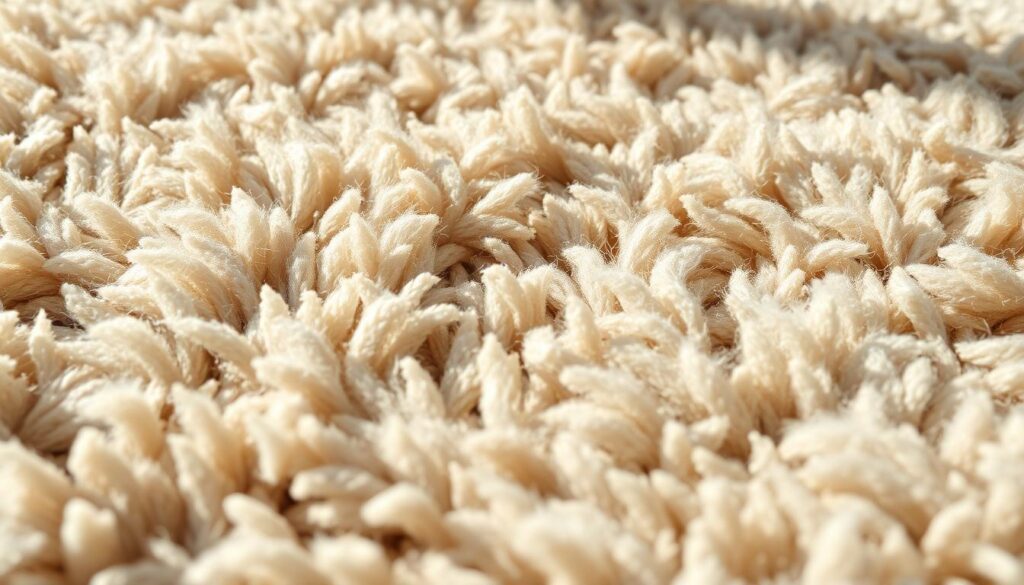
Carpets are constructed from a variety of materials, including nylon, polyester, and wool, each with its unique characteristics and abilities to trap dirt. The fibers are woven or tufted into a backing material, creating a dense pile that can capture a significant amount of soil and dust. As foot traffic increases, these particles become deeply embedded within the carpet’s fibers, making regular cleaning essential to prevent the buildup of abrasive materials.
The structure of carpet fibers, with their intricate loops and twists, acts like a filter, trapping dirt and dust particles. Over time, this can lead to a significant accumulation of contaminants that are not visible to the naked eye. Regular professional cleaning is necessary to remove these ingrained particles and prevent damage to the carpet.
How Soil Damages Carpet Over Time
As soil accumulates within the carpet fibers, it can cause significant damage over time. The particles that make up soil are often abrasive and can act like sandpaper against the carpet fibers, causing them to wear down with each step. This abrasive action leads to premature wear, fiber splitting, and color loss, ultimately resulting in a matted appearance that can be difficult to restore.
Oily soils can further exacerbate the problem by attracting and binding dry soil particles, creating a compound soiling effect that accelerates the damage process. Regular cleaning and maintenance are crucial to prevent this cycle of deterioration. By removing soil and contaminants through professional cleaning, the appearance and longevity of the carpet can be preserved.
In conclusion, understanding the hidden world of carpet fibers and how they interact with soil and dust is essential for maintaining the integrity and appearance of our carpets. Through regular cleaning and maintenance, we can prevent the damage caused by ingrained dirt and extend the life of our carpet.
Beyond Carpets: Deep Cleaning Other Surfaces
To achieve a truly clean home, it’s essential to look beyond carpets and address other critical areas that harbor dirt, bacteria, and allergens. While carpets are a significant focus for deep cleaning, other surfaces and furnishings in your home require equally thorough attention to maintain a healthy indoor environment.
Upholstery and Fabric Furnishings
Upholstered furniture, curtains, and other fabric furnishings can trap dust, allergens, and bacteria, much like carpets. Regular vacuuming and occasional spot cleaning are not enough to remove deeply embedded contaminants. Professional deep cleaning services use specialized equipment and techniques to thoroughly clean these items, improving both their appearance and the overall hygiene of your home.
Deep cleaning upholstery and fabric furnishings not only enhances their longevity but also contributes to better indoor air quality. By removing accumulated dirt and allergens, you can reduce the risk of respiratory issues and create a healthier living space.
Hard Flooring Deep Cleaning Needs
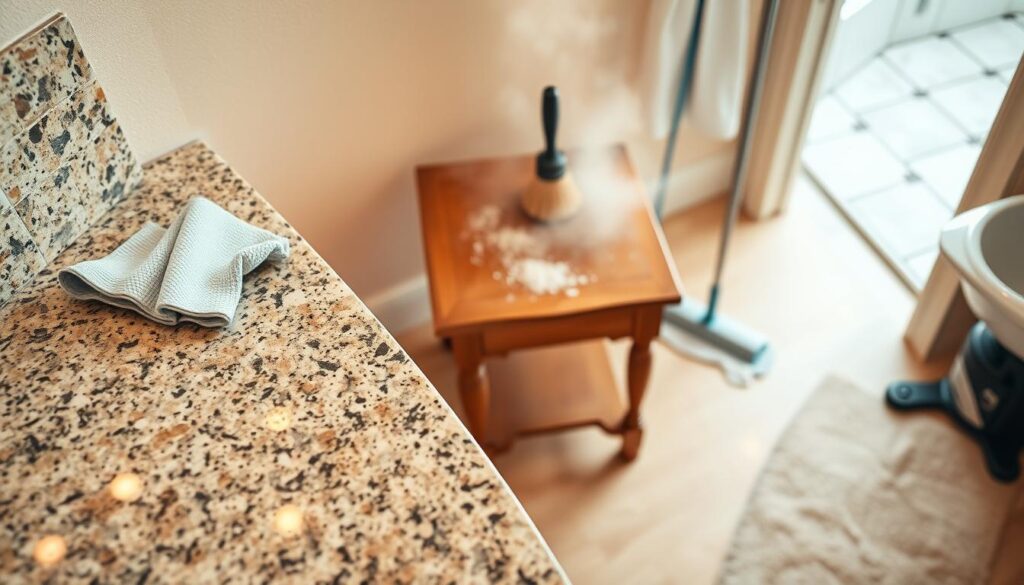
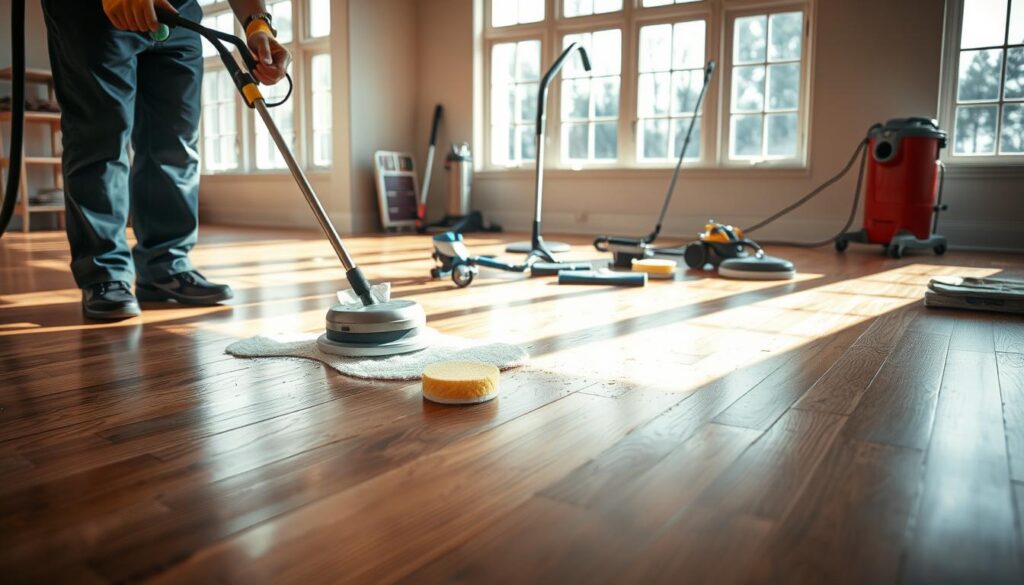
Hard flooring, including hardwood, tile, and laminate, requires deep cleaning to remove dirt and grime that can accumulate in crevices and damage the surface over time. Unlike carpets, hard flooring can withstand more aggressive cleaning methods, such as steam cleaning and the use of specialized cleaning solutions.
Regular deep cleaning of hard flooring not only maintains its appearance but also helps prevent the buildup of bacteria and other microorganisms. This is particularly important in high-traffic areas and kitchens, where flooring can be exposed to spills and heavy foot traffic.
High-Touch Surfaces and Forgotten Areas
High-touch surfaces, such as door handles, light switches, and remote controls, are breeding grounds for bacteria and viruses. These areas require frequent disinfection to prevent the spread of illness. Deep cleaning protocols should include thorough sanitization of these surfaces to ensure they do not become reservoirs for harmful pathogens.
In addition to high-touch surfaces, there are several often-overlooked areas in the home that accumulate significant contamination. These include ceiling fans, window tracks, vent covers, and baseboards. Neglecting these areas can lead to increased cross-contamination and decreased indoor air quality. Professional cleaning services incorporate these areas into their comprehensive deep cleaning protocols, ensuring a more thorough approach to home hygiene.
By addressing all these surfaces and areas, homeowners can achieve a more comprehensive level of cleanliness, enhancing both the health and longevity of their home.
The Problem with DIY Deep Cleaning
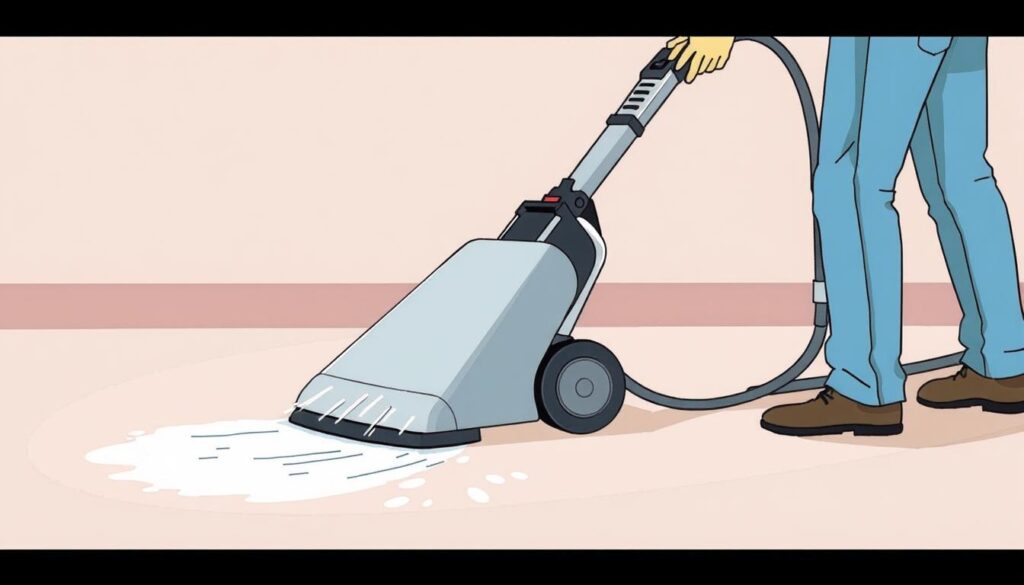
Homeowners often face challenges when attempting deep cleaning on their own, due to limitations in equipment and expertise. While the intention behind DIY deep cleaning is to save money and maintain a clean home, the results can be disappointing and even counterproductive.
Common Mistakes in Home Deep Cleaning Attempts
One of the primary issues with DIY deep cleaning is the lack of understanding of the underlying science. Many homeowners are unaware of the composition of household dirt and dust, and how it penetrates deep into flooring. This lack of knowledge leads to the use of inappropriate cleaning methods and equipment, resulting in ineffective cleaning.
Common mistakes include using excessive water, which can damage carpets and upholstery, and failing to properly extract dirt and contaminants. Additionally, the use of incorrect cleaning solutions can leave residues that attract dirt, making surfaces dirtier over time.
Rental Equipment vs. Professional Grade Tools
Rental cleaning equipment available to consumers has significant limitations compared to professional-grade tools. These limitations include lower suction power, smaller motors, limited heating capacity, and basic filtration systems. As a result, rental machines often leave excessive moisture in carpets and upholstery, creating risks of mold growth and backing damage.
Professional services, such as rug cleaning in London, utilize industrial-strength cleaning technology that is much more powerful than domestic cleaning machines. Advanced systems used by professionals work more effectively to clean rugs and carpets, ensuring that no invisible dirt is left behind. Furthermore, professional equipment is properly maintained and calibrated, delivering consistent results that rental machines cannot match.
The comparative analysis between rental equipment and professional-grade tools highlights the benefits of seeking professional cleaning services for deep cleaning needs. By understanding the limitations of DIY deep cleaning and the advantages of professional equipment, homeowners can make informed decisions about their cleaning needs.
Eco-Friendly Deep Cleaning: Effectiveness and Benefits
Eco-friendly deep cleaning is not just a trend; it’s a necessary step towards a healthier home environment. As we become more aware of the impact of our choices on the planet and our well-being, the demand for sustainable cleaning practices has grown.
Green Cleaning Science
The science behind green cleaning involves using products and methods that are environmentally friendly and sustainable. This approach focuses on reducing the use of harsh chemicals that can pollute indoor air and water systems.
Green cleaning products are made from biodegradable ingredients that are safer for surfaces and the environment. They are designed to be non-abrasive, preserving the quality of materials and finishes.
Professional cleaning services, like Barefoot Clean Floors, prioritize the use of eco-friendly products that maintain effectiveness without compromising health or environmental quality.
Health Benefits of Non-Toxic Cleaning
Traditional cleaning chemicals can contribute to indoor air pollution through volatile organic compounds (VOCs), triggering respiratory issues, headaches, and skin irritation. Residues from these products can remain on surfaces, posing ongoing exposure risks, especially for children and pets.
Non-toxic cleaning approaches can significantly benefit individuals with chemical sensitivities, asthma, allergies, and other respiratory conditions by reducing irritant exposure. By choosing eco-friendly deep cleaning services, households can enjoy a cleaner, healthier environment.
Barefoot Clean Floors’ commitment to health-conscious cleaning approaches ensures that their clients receive the best possible service without compromising on health or environmental sustainability.
Extending the Life of Your Flooring Through Proper Maintenance
Extending the life of your flooring requires a comprehensive approach, with deep cleaning being a critical aspect of this strategy. Proper maintenance not only enhances the appearance of your flooring but also plays a crucial role in preserving its quality and longevity. Whether you’re dealing with carpets, rugs, or hard flooring, understanding the importance of regular deep cleaning can help you protect your investment and ensure your floors remain in excellent condition for years to come.
How Deep Cleaning Preserves Carpet Fibers
Deep cleaning is particularly important for carpets and rugs, as it helps preserve the integrity of the fibers. Over time, carpets accumulate dirt, dust, and other contaminants that can damage the fibers, leading to wear and tear. Regular deep cleaning removes these harmful particles, reducing the risk of fiber degradation and extending the life of your carpet. Moreover, deep cleaning helps maintain the carpet’s original appearance, keeping it looking fresh and clean.
Professional deep cleaning methods, such as hot water extraction and steam cleaning, are especially effective in preserving carpet fibers. These methods not only remove surface dirt but also penetrate deep into the carpet, extracting embedded contaminants that can cause damage. By using the right cleaning techniques and equipment, you can significantly prolong the life of your carpet and maintain its quality.
Protecting Your Flooring Investment
Your flooring is a significant investment in your home, and protecting it through proper maintenance is essential. Regular deep cleaning is a crucial aspect of this protection, as it helps prevent damage caused by dirt, dust, and other contaminants. By keeping your flooring clean, you can prevent the buildup of harmful substances that can lead to premature wear and tear.
In addition to deep cleaning, other maintenance practices can help protect your flooring. For example, using area rugs at entryways can help reduce the amount of dirt and debris that enters your home, while regular vacuuming can help keep your floors clean between deep cleaning sessions. By combining these practices, you can effectively protect your flooring investment and ensure it remains in good condition.
Manufacturer Warranty Requirements
Many flooring manufacturers require regular professional cleaning as a condition of their warranty. Typically, this involves having your carpets or rugs professionally cleaned every 12 to 24 months, depending on the manufacturer’s requirements. It’s essential to check the terms and conditions of your warranty to understand these requirements and ensure you comply with them.
To maintain warranty validity, it’s crucial to keep records of professional cleaning, including receipts and details of the cleaning methods used. This documentation serves as proof that you’ve met the manufacturer’s maintenance requirements, ensuring you can make a claim if necessary. Failure to comply with these requirements can result in your warranty being voided, leaving you with costly repairs or replacements.
- Most major flooring manufacturers require documented professional cleaning at specified intervals (typically every 12-24 months) as a condition of warranty coverage.
- Proper documentation, including professional cleaning receipts and service details, is necessary to maintain warranty validity.
- Improper DIY cleaning can void warranties by causing damage that manufacturers will not cover under warranty terms.
- Professional cleaning services, like Barefoot Clean Floors, provide the necessary documentation for warranty purposes, ensuring compliance with manufacturer requirements.
Creating an Effective Cleaning Schedule
The key to a spotless and healthy home lies in creating and adhering to a comprehensive cleaning schedule. A well-structured cleaning plan not only maintains the aesthetic appeal of your home but also contributes significantly to the health and well-being of its occupants.
Daily, Weekly, and Monthly Cleaning Tasks
An effective cleaning schedule involves a combination of daily, weekly, and monthly tasks. Daily tasks might include tidying up living areas, wiping down kitchen counters, and quick pickups of toys and clutter. Weekly tasks could encompass vacuuming or sweeping high-traffic areas, cleaning bathrooms, and doing laundry. Monthly tasks often involve deeper cleaning activities such as oven cleaning, dusting ceiling fans, and organizing cluttered areas.
For households with pets or allergies, these tasks may need to be performed more frequently. For instance, pet owners might need to vacuum daily or every other day to manage pet hair and dander. Similarly, households with allergy sufferers might require more frequent dusting and surface cleaning to reduce allergen exposure.
When to Schedule Professional Deep Cleaning
While regular maintenance cleaning is crucial, there are specific situations where professional deep cleaning becomes especially beneficial. These include before or after hosting an event, when moving in or out of a home, during seasonal transitions (especially spring and fall), after construction or renovation, and following illness or allergy flare-ups.
As a general rule, scheduling a full deep cleaning at least twice per year is recommended. However, this frequency can vary based on household factors such as the presence of pets, children, allergies, and traffic levels. For example, homes with multiple pets or young children might benefit from more frequent professional cleaning services, potentially every 2-3 months.
Barefoot Clean Floors can help you establish an optimal cleaning schedule tailored to your home’s specific needs. With flexible scheduling options and reminder services, you can maintain a consistently clean and healthy environment. For personalized scheduling recommendations, you can contact Barefoot Clean Floors at (602)603-4781.
Special Circumstances That Require Deep Cleaning
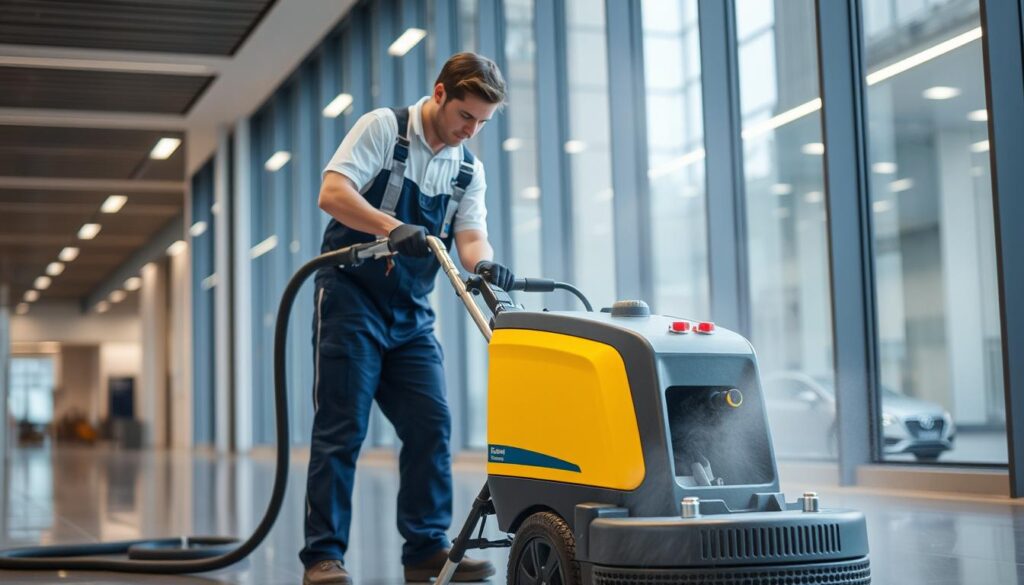
Beyond regular cleaning, there are special circumstances that necessitate a deeper, more thorough approach to maintain a home’s health and cleanliness. Certain situations demand more than just a superficial clean, requiring professional deep cleaning services to restore a home’s environment.
After Illness or Allergic Episodes
When a household member falls ill or experiences allergic reactions, it’s crucial to perform a deep clean to eliminate pathogens and allergens that may be lurking in the environment. Professional cleaning services can target areas where germs and allergens accumulate, such as carpets, upholstery, and high-touch surfaces, ensuring a thorough sanitizing process that goes beyond routine cleaning.
This is particularly important for health reasons, as lingering bacteria, viruses, or allergens can prolong illness or trigger further allergic episodes. By using specialized equipment and techniques, professional cleaners can significantly reduce the presence of these harmful agents, creating a cleaner, healthier living space.
Post-Construction or Renovation
After construction or renovation, homes often require a deep clean to remove dust, debris, and other contaminants that can affect indoor air quality and overall cleanliness. Professional deep cleaning services are equipped to handle the unique challenges posed by construction and renovation, including the removal of fine dust particles and the sanitizing of all surfaces.
This process not only improves the aesthetic appeal of the home but also ensures that it is safe and healthy for occupants. By focusing on all areas, including those that are hard to reach, professional cleaners can restore a home to its original condition, or even better, after a renovation.
Before Moving In or After Moving Out
Moving into a new home or vacating a property are significant events that benefit from professional deep cleaning. When moving in, even if the property appears clean, previous occupants may have left behind biological traces, allergens, and residues from cleaning products. A deep clean ensures that the new occupants start with a clean slate, free from potential health hazards.
Conversely, when moving out, a deep clean can protect security deposits by fulfilling lease obligations and providing a fresh start for the next occupants. While move-out cleaning is task-oriented, deep cleaning goes further by addressing long-term buildup and hidden grime, making it a valuable service for both departing and incoming residents. Barefoot Clean Floors offers specialized move-in and move-out cleaning packages that comprehensively address transition cleaning needs.
Choosing the Right Professional Cleaning Service

The quest for a cleaner home often leads to the question: how do you choose the right professional cleaning service? With numerous options available, it’s essential to consider several factors to ensure you hire a service that meets your needs and provides quality results.
Certifications and Training to Look For
When selecting a professional cleaning service, one of the critical factors to consider is the certifications and training of the personnel. Look for services that are certified by reputable organizations such as the Institute of Inspection, Cleaning and Restoration Certification (IICRC). These certifications indicate that the technicians are trained in the latest cleaning technologies and methods.
A company like Barefoot Clean Floors, being Senior NCCA Members, WoolSafe Approved, and IICRC Certified, demonstrates a commitment to professional excellence and adherence to industry standards.
Questions to Ask Before Hiring
Before hiring a professional cleaning service, it’s crucial to ask the right questions. Inquire about their experience with different types of flooring and surfaces, the equipment they use, and the cleaning solutions they apply. Asking about their process for handling different contaminants and whether they offer any guarantees can also provide insight into their professionalism and commitment to customer satisfaction.
What to Expect from Barefoot Clean Floors
Barefoot Clean Floors is dedicated to delivering trusted, professional cleaning results. From the initial contact to the completion of the service, their team is committed to punctuality, professionalism, and clear communication. They conduct thorough pre-service assessments to understand the specific cleaning needs of each client and use safe, tested products to ensure effective cleaning without damaging surfaces.
With a satisfaction guarantee in place, Barefoot Clean Floors stands behind the quality of their work. Clients can expect a follow-up to ensure their complete satisfaction with the service provided. For those interested in learning more or scheduling a consultation, contacting Barefoot Clean Floors at (602)603-4781 is the first step towards a cleaner, healthier home.
Measuring the Results: Before and After Deep Cleaning
The effectiveness of deep cleaning can be measured in various ways, from visual improvements to enhanced indoor air quality. By assessing these factors, homeowners can understand the true value of professional cleaning services.
Visual Improvements
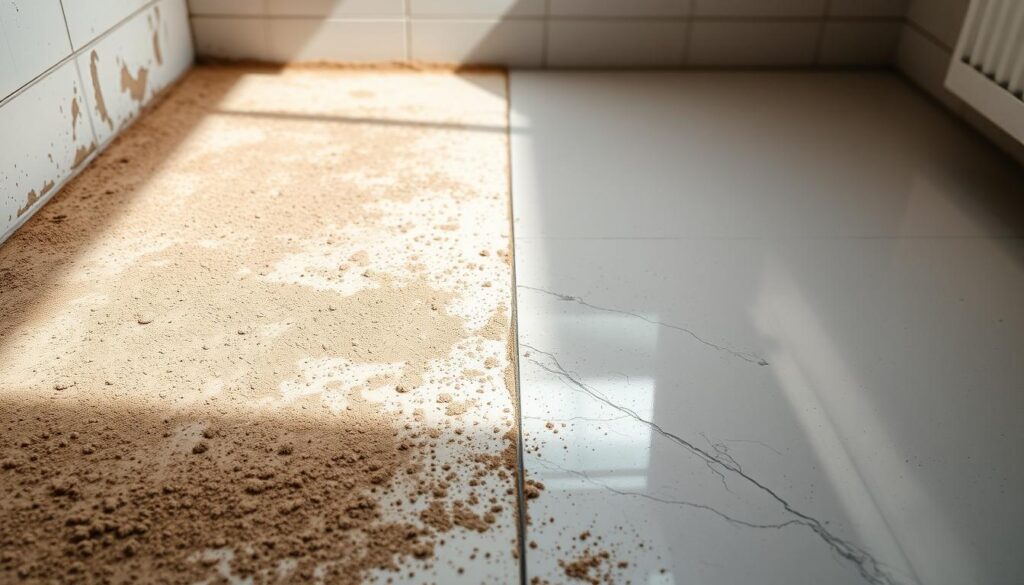
One of the most immediate benefits of deep cleaning is the visual improvement it brings to your home. Carpets look fresher, upholstery is stain-free, and hard floors shine like new. Barefoot Clean Floors uses advanced equipment to remove deep-seated dirt and restore the original appearance of your flooring and furnishings. For instance, their hot water extraction method can revitalize even the most neglected carpets, making them look like new again.
Air Quality Testing
Indoor air quality is a critical aspect of a healthy home environment. According to EPA studies, indoor air can be two to five times more polluted than outdoor air due to dust accumulation, VOCs, and poor ventilation. Professional deep cleaning services like Barefoot Clean Floors can significantly improve indoor air quality by removing allergens and contaminants from your home. Air quality testing before and after deep cleaning can quantify these improvements, providing peace of mind for homeowners, especially those with respiratory issues.
- Reduction in dust and allergens
- Removal of VOCs from cleaning products and materials
- Improved ventilation efficiency
Long-Term Benefits Assessment
Beyond immediate visual and air quality improvements, regular professional deep cleaning offers long-term benefits that can be assessed over time. By documenting the condition of your flooring and furnishings, you can track the extension of their lifespan, quantifying the investment value of regular maintenance. Health improvements, such as reduced allergy symptoms and fewer respiratory infections, can also be monitored. Additionally, cleaner HVAC systems can lead to energy efficiency improvements, potentially resulting in measurable utility savings. Barefoot Clean Floors helps clients assess these long-term benefits through their follow-up processes and maintenance recommendations, ensuring that your home remains a healthy and valuable asset. For more information, you can contact them at (602)603-4781.
Conclusion: Investing in Your Home’s Health and Longevity
Deep cleaning is not just a luxury, but a crucial aspect of home maintenance that impacts our health and well-being. Throughout this article, we’ve explored the science behind deep cleaning and why it’s essential for a truly clean and healthy home environment.
The limitations of vacuuming alone have been made clear, with microscopic contaminants and allergens often remaining hidden in carpets, upholstery, and hard flooring. Professional deep cleaning technologies, including hot water extraction and HEPA filtration systems, offer a comprehensive solution to these issues, significantly improving indoor air quality and reducing the presence of bacteria, viruses, and other pathogens.
Investing in professional deep cleaning services is an investment in your home’s health and longevity. By removing deep-seated dirt and contaminants, homeowners can extend the life of their flooring, improve their indoor air quality, and create a healthier living environment. This is particularly important for households with members who suffer from allergies or respiratory conditions.
Barefoot Clean Floors stands out as a trusted provider of professional deep cleaning services. With their expertise, state-of-the-art equipment, and commitment to quality results, homeowners can trust that their cleaning needs are in good hands. Whether it’s routine maintenance or a one-time deep clean, Barefoot Clean Floors offers tailored solutions to meet the unique needs of each home.
To take the next step in enhancing your home’s health and longevity, consider scheduling a consultation or service with Barefoot Clean Floors. Their team is dedicated to delivering exceptional results that not only meet but exceed expectations. You can reach them at (602)603-4781 to discuss your cleaning needs and discover how their professional services can benefit your home and family.
In conclusion, deep cleaning is a vital component of home maintenance that directly impacts our health, well-being, and the longevity of our homes. By understanding the science behind deep cleaning and partnering with professionals like Barefoot Clean Floors, homeowners can ensure their living environment is not just clean, but truly healthy and sustainable for years to come.
