
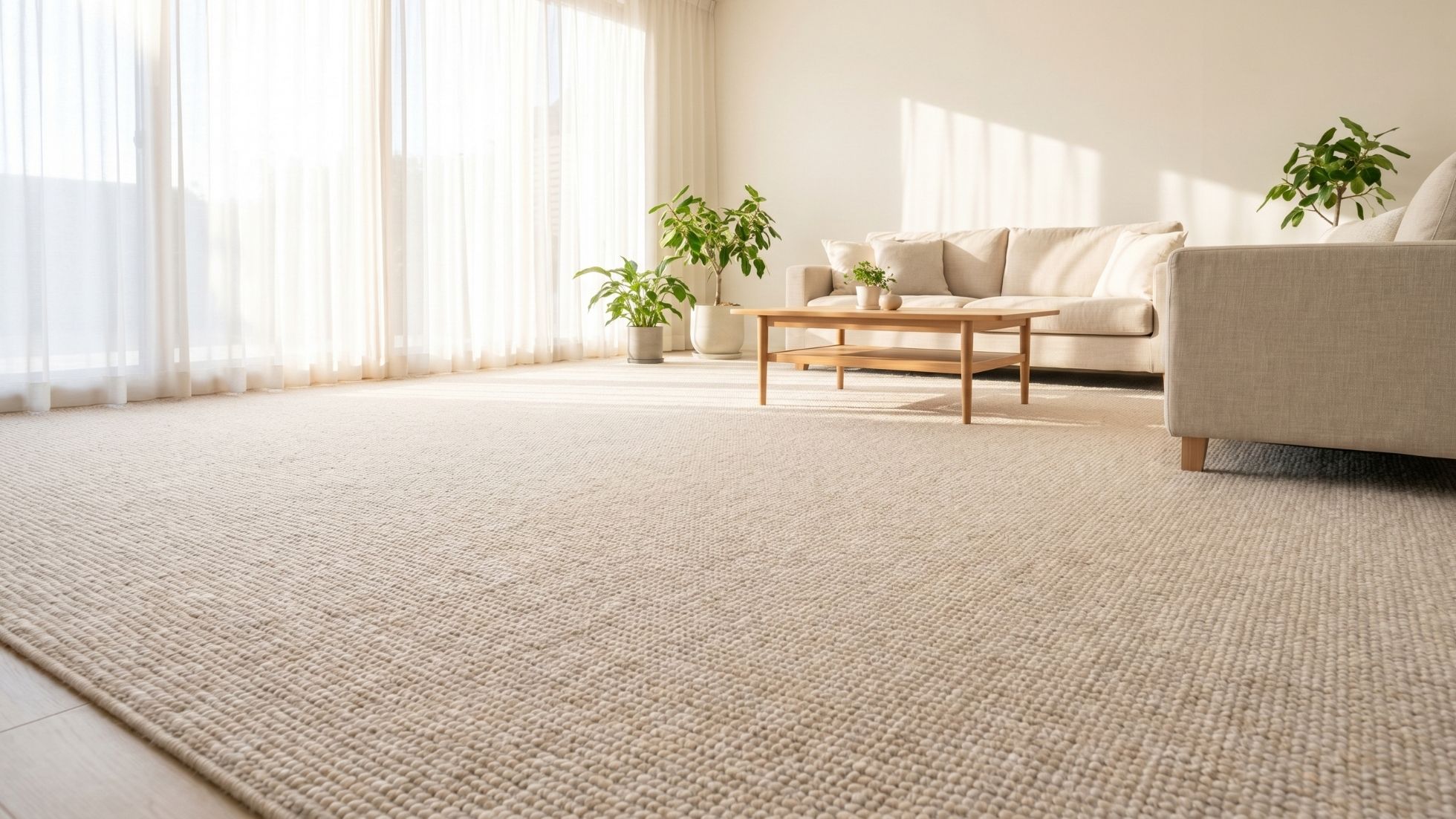

When you think about air pollution in the Phoenix metropolitan area, your mind likely goes straight to outdoor factors. You picture the hazy smog hovering over the Valley on a hot summer afternoon, the massive, towering wall of a July dust storm (haboob) rolling across the I-10 freeway, or the thick clouds of yellow Palo Verde pollen blowing through the air in early spring. We naturally assume that to escape pollution, we simply need to go inside, shut the doors, and turn on the air conditioning.
However, environmental science paints a drastically different and somewhat alarming picture. According to the Environmental Protection Agency (EPA), the air inside the average American home is typically two to five times more polluted than the air outside—and in some cases, it can be up to one hundred times worse.
For residents of the Sonoran Desert, where extreme weather forces us to keep our homes sealed tightly for months on end, managing Indoor Air Quality (IAQ) is a critical health imperative. While upgrading your HVAC filters and purchasing standalone air purifiers are excellent steps, the most substantial and effective air filter in your entire house is actually the floor beneath your feet.
Understanding the complex relationship between your flooring and the air you breathe is essential for maintaining a healthy living environment. Implementing a strategic protocol for carpet cleaning indoor air Phoenix is not just about aesthetics; it is a foundational requirement for respiratory health. This comprehensive guide explores the science of indoor air pollution, how your carpets function as massive biological traps, and the advanced extraction methods required to truly sanitize your home’s atmosphere.
The Unique Air Quality Challenges in the Valley of the Sun
To comprehend why indoor air quality degrades so rapidly in our region, we must look at the unique environmental and architectural realities of living in Phoenix. The desert climate creates a perfect storm for indoor pollution accumulation.
The “Sealed Environment” Reality
In many parts of the country, homeowners open their windows in the morning to let a cross-breeze naturally ventilate their homes. In Phoenix, this is only comfortable for a small fraction of the year. From May through October, opening a window invites blistering, 110-degree heat into the house.
Consequently, Phoenix homes are designed to be tightly sealed envelopes. We heavily insulate our attics, weather-strip our doors, and install dual-pane windows specifically to keep the hot air out and the cold, air-conditioned air inside. While this is fantastic for energy efficiency, it is disastrous for ventilation. The air inside your home is continuously recycled through the HVAC system. Any pollutant generated indoors—whether it is cooking smoke, pet dander, or chemical off-gassing from household cleaners—is trapped inside this sealed envelope, circulating endlessly.
The Infiltration of Desert Particulates
Despite our best efforts to seal our homes, nature always finds a way in. The Phoenix area is surrounded by open desert and agricultural land. Microscopic silica dust, agricultural topsoil, and dried plant matter are constantly whipped up by the wind. These ultra-fine particulates infiltrate our homes through microscopic gaps, on the soles of our shoes, and even on the fur of our pets. Once inside the sealed environment of the home, these particulates have nowhere to go but down.
 The Science: Your Carpet as the Ultimate Passive Air Filter
When homeowners debate between hard surface flooring (like tile, laminate, or hardwood) and carpeting, they often mistakenly believe that hard floors are superior for indoor air quality. The visual evidence seems to support this: you can clearly see the dust bunnies rolling across a hardwood floor, so it is easy to sweep them up.
However, the scientific reality of how particulate matter behaves in a home proves the exact opposite. Wall-to-wall carpeting is actually highly beneficial for indoor air quality, provided it is properly maintained.
The Physics of Airborne Particles
Think about what happens in a room with hard floors. When microscopic dust, pet dander, and pollen settle onto a smooth tile surface, they rest there lightly. The moment someone walks into the room, the mechanical displacement of air caused by their footsteps acts like a gust of wind. The dust on the hard floor is instantly launched back up into the breathing zone—the area roughly three to six feet off the ground where you inhale.
The Trapping Mechanism of Carpet Fibers
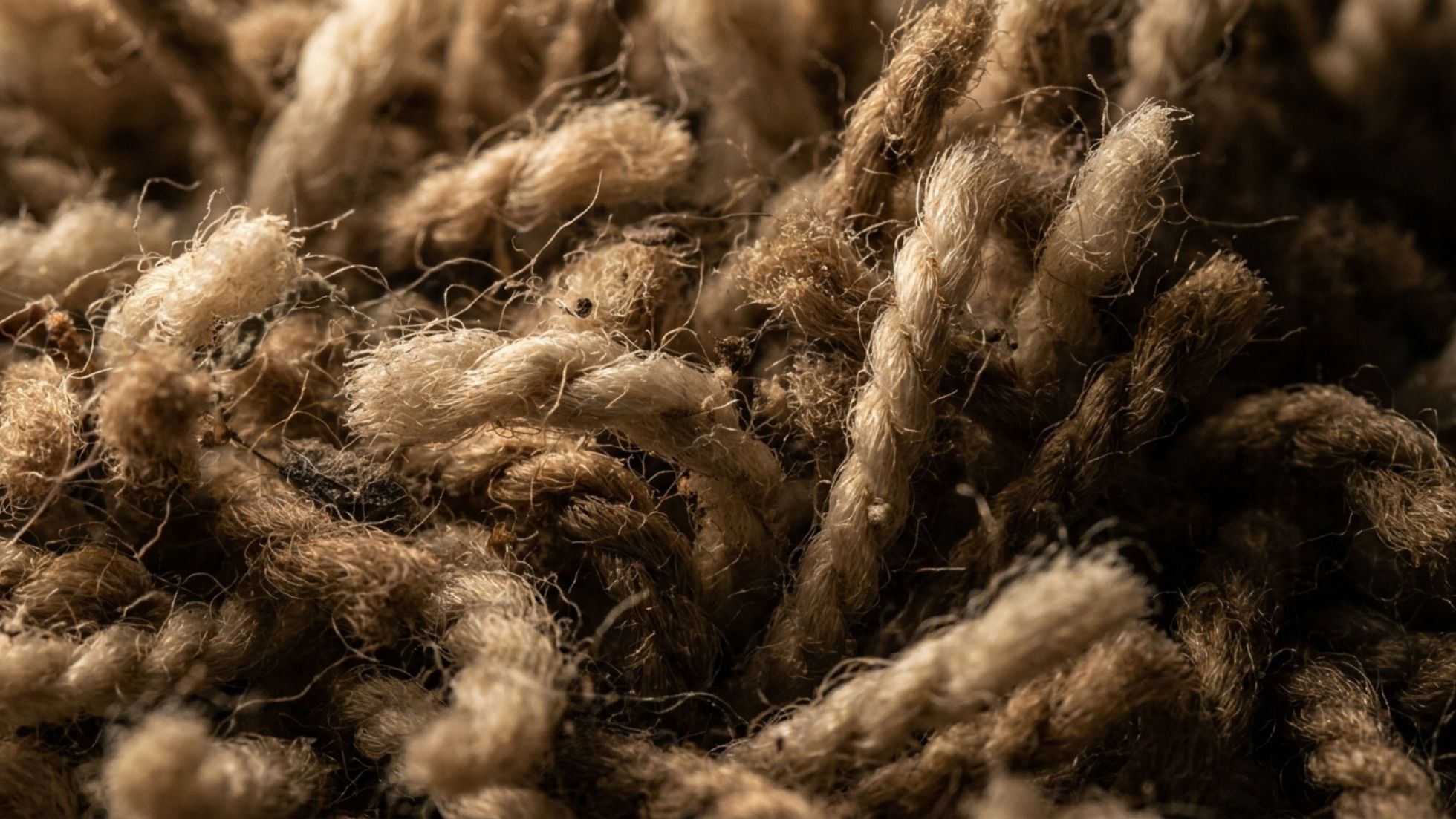
Carpets, on the other hand, function as massive, three-dimensional, passive air filters. When gravity eventually pulls airborne pollutants down to the floor, the dense network of synthetic or natural carpet yarns acts like a web. The individual fibers grab onto the microscopic particles and pull them deep into the pile, away from the surface.
Furthermore, in the dry Phoenix climate, the friction of walking across synthetic carpet generates a slight static electrical charge. This static charge essentially turns the floor into a giant magnet, actively drawing dust and allergens out of the air and binding them tightly to the fibers. As long as the particles are trapped in the carpet, they are not floating in the air for you to breathe.
The “Full Filter” Danger
This filtering mechanism is incredibly effective, but it comes with a critical caveat: all filters eventually reach maximum capacity. Think about the air filter in your HVAC return vent. If you do not change it for six months, it becomes completely clogged with gray dust. It can no longer trap new particles, and the air is forced to bypass the filter entirely.
Your carpet functions the exact same way. After months of trapping desert dust, human skin cells, and pet dander, the carpet pile becomes saturated. Once it is full, it can no longer hold onto new pollutants. Worse, a saturated carpet begins to act as an emitter. When you walk across a heavily soiled carpet, the compression of your footsteps forcefully ejects clouds of trapped allergens back up into the air.
To restore your home’s air quality, the filter must be “emptied.” This is why routine carpet cleaning indoor air Phoenix is a non-negotiable aspect of maintaining a healthy home.
The Invisible Invaders: What is Hiding in Your Carpet?
To truly appreciate the necessity of professional extraction, you must understand exactly what is lurking beneath the surface of your flooring. It is far more sinister than simple outdoor dirt.
1. The Dust Mite Ecosystem
Dust mites are microscopic arachnids that exist in virtually every human dwelling on earth. They thrive in dark, undisturbed environments, making the base of your carpet pile their ideal habitat. Dust mites do not bite or sting; instead, they feed on the millions of dead skin cells that humans and pets shed every single day.
The mites themselves are not the primary problem. The severe allergic reactions and asthma attacks associated with dust mites are triggered by a specific protein found in their microscopic waste products and decaying body parts. A single square yard of standard residential carpet can harbor hundreds of thousands of dust mites, producing a massive volume of highly allergenic waste that is easily kicked up into the air you breathe.
2. Pet Dander and Saliva Proteins
We love our dogs and cats, but they are prolific contributors to indoor air pollution. Pet dander consists of microscopic flecks of skin shed by animals with fur or feathers. Because dander is extremely lightweight and has jagged microscopic edges, it floats through the air easily and clings stubbornly to carpet fibers.
Furthermore, when pets groom themselves, they coat their fur with saliva, which contains highly allergenic proteins. This saliva dries, flakes off, and eventually settles deep into the carpet alongside the dander, creating a potent trigger for allergy sufferers.
3. Volatile Organic Compounds (VOCs)
Our homes are filled with modern chemical compounds that continuously off-gas into the air. These Volatile Organic Compounds (VOCs) are emitted by a wide variety of common household items, including:
-
Fresh paint and wall adhesives
-
New furniture and pressed-wood cabinetry
-
Aerosol sprays and chemical cleaning supplies
-
Dry-cleaned clothing
-
Air fresheners and scented candles
These airborne chemical gases circulate through the home and eventually condense, settling onto horizontal surfaces. The porous nature of carpet fibers makes them an excellent sink for VOCs. Over time, a heavy concentration of chemical compounds builds up in the floor, slowly re-emitting back into the air and contributing to chronic headaches, fatigue, and respiratory irritation.
4. Biological Contaminants and Mold Spores
If moisture is introduced to a carpet—whether from a spilled drink, a pet accident, or heavy humidity tracked in during a monsoon—it creates a micro-environment for biological growth. Fungal spores (mold and mildew) and bacteria thrive in the warm, dark conditions of a damp carpet pad. Even if the surface of the carpet feels dry, bacteria multiplying in the underlying pad will release musty odors and harmful spores into the indoor atmosphere.
The Severe Health Consequences of a Saturated Carpet
Ignoring the condition of your home’s largest air filter has profound, documented consequences on human health, productivity, and overall well-being.
Sick Building Syndrome in the Home
While “Sick Building Syndrome” is typically used to describe commercial office spaces with poor ventilation, the exact same phenomenon occurs in tightly sealed Phoenix residences. Occupants of homes with heavily saturated, uncleaned carpets often experience a cluster of chronic, low-grade health issues that magically disappear when they leave the house. Symptoms include:
-
Unexplained lethargy and chronic fatigue
-
Frequent headaches and difficulty concentrating (brain fog)
-
Irritated, dry, or watering eyes
-
A persistent scratchy throat or dry cough
Aggravated Asthma and Allergic Rhinitis
For the millions of Americans suffering from asthma or chronic allergies, indoor air quality is a matter of daily physical comfort. When a carpet is full of allergens, the simple act of walking to the kitchen for a glass of water kicks up a microscopic cloud of dust mite feces, pet dander, and Palo Verde pollen. Inhaling these particles triggers an immediate immune response, causing airway inflammation, wheezing, sneezing fits, and chest tightness.
Sleep Disruption
We spend roughly a third of our lives in our bedrooms. The bedroom is also the area of the home with the highest concentration of shed skin cells and, consequently, the highest concentration of dust mites. Breathing heavily polluted air while sleeping forces the respiratory system to work overtime, leading to snoring, dry mouth, and fragmented, non-restorative sleep.
Why Vacuuming is Only Half the Battle
When faced with a dirty floor, the natural response is to pull the vacuum cleaner out of the closet. Vacuuming is absolutely vital for home maintenance, but it is entirely insufficient for improving indoor air quality.
The Limitations of Residential Suction
Standard upright vacuums are designed for surface management. They use a rotating beater bar to agitate the top quarter-inch of the carpet pile and moderate suction to pull up loose dirt, hair, and crumbs. They simply do not have the physical lifting power required to reach the dense primary backing of the carpet, which is exactly where the microscopic dust mites, chemical VOCs, and heavy desert silica sand reside.
The Agitation Problem
In many cases, improper vacuuming actually makes indoor air quality worse in the short term. If your vacuum does not have a completely sealed system and a high-quality HEPA (High-Efficiency Particulate Air) filter, the machine will suck up microscopic allergens from the floor and immediately blow them straight out the exhaust port directly into the air you are breathing. The vacuum acts as an allergen distribution system, moving the microscopic pollutants from the floor directly into your lungs.
Furthermore, vacuuming does nothing to remove the sticky biological oils, pet urine crystals, or spilled food residues that bind dust to the carpet fibers. To truly reset the air quality in your home, those chemical and biological bonds must be physically broken and flushed away.
 The Hot Water Extraction Solution for Pure Air
To empty your home’s massive passive air filter and restore pristine indoor air quality, you must rely on the scientific principles of advanced thermal extraction. At Barefoot Clean Floors, we deploy commercial-grade technology designed specifically to eradicate microscopic pollutants from deep within the carpet pile.
The Sanitization Power of Extreme Heat
Our process relies on state-of-the-art truck-mounted extraction systems. We do not just use warm tap water; our equipment heats purified water to over 200 degrees Fahrenheit. This extreme thermal energy is injected deep into the carpet pile.
-
Immediate Eradication: The high heat instantly sanitizes the fibers, killing dust mites, bacteria, and mold spores on contact.
-
Chemical Breakdown: The heat, combined with our specialized, pH-balanced pre-treatments, breaks down the sticky molecular bonds of VOCs, cooking greases, and biological oils, effectively detaching the microscopic pollutants from the carpet yarn.
High-Velocity Vacuum Flushing
Once the allergens and pollutants are detached and suspended in the hot water, our massive, high-CFM (Cubic Feet per Minute) vacuum systems take over. This is the critical step for indoor air quality. We physically extract the contaminated water, pulling the dissolved dust, pet dander, pollen, and chemical residues completely out of the carpet pad, out of your house, and directly into the waste tanks in our trucks.
Because the extraction is so incredibly powerful, the carpet is left merely damp, ensuring rapid evaporation and completely eliminating the risk of mold growth. This comprehensive process, featured in our Steam Carpet Cleaning Phoenix services, is the only proven method for completely resetting your carpet’s filtering capacity.
Invest in the Air You Breathe
Your home is your sanctuary against the harsh elements of the Arizona desert. It should be a place of rest, recovery, and absolute comfort. You invest in high-quality food to fuel your body and filtered water to stay hydrated; you must also invest in the invisible resource you consume the most: oxygen.
Do not let saturated carpets act as a hidden reservoir for toxic chemicals, biological waste, and abrasive desert dust. By scheduling a professional carpet cleaning indoor air Phoenix service, you are systematically removing massive quantities of airborne pollutants from your living environment.
Clear the air, eliminate invisible allergens, and experience the profound difference of a truly sanitized home.
Take control of your indoor air quality today. Contact Barefoot Clean Floors to schedule your advanced, health-focused carpet extraction!
