
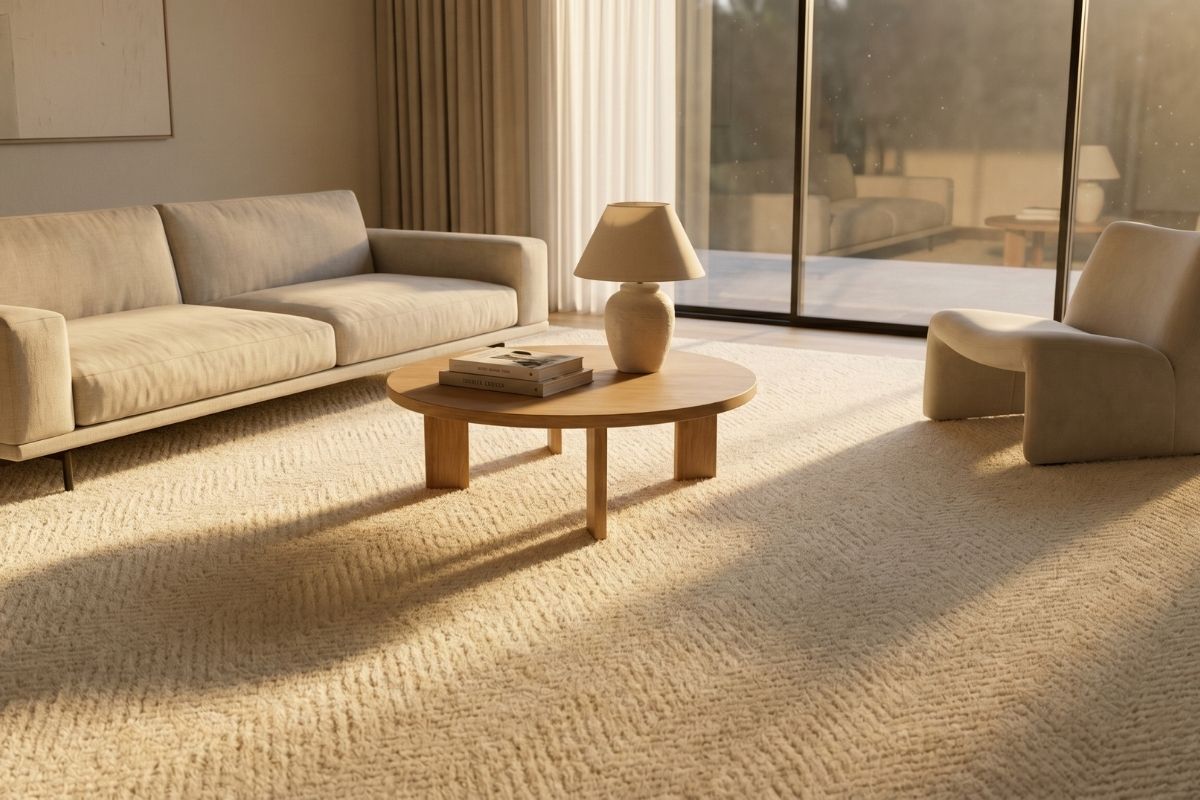

Effective residential floor care requires consistent routine attention to prevent the accumulation of abrasive dry soils and the permanent bonding of liquid spills. Maintaining your carpets between professional hot water extractions involves deploying daily and weekly strategies—such as High-Efficiency Particulate Air (HEPA) vacuuming, rapid moisture extraction, and environmental barrier controls—that protect fiber integrity and uphold indoor air quality. However, when routine maintenance is no longer enough to combat deeply embedded desert grime, scheduling a professional Steam Carpet Cleaning Phoenix service will restore the health and appearance of your home’s flooring.
Key Takeaways
- Frequent HEPA Vacuuming: Dry soil accounts for 79% of carpet contamination; removing it weekly prevents physical damage to fibers.
- Rapid Spill Response: Blotting liquids immediately prevents capillary action (wicking) that draws stains deep into the backing.
- Climate Considerations: Homes in dry, dusty environments require aggressive barrier matting and more frequent filter maintenance.
- Avoiding Chemical Residue: Over-the-counter high-pH detergents often leave sticky residues that accelerate future soiling.
- Professional Timelines: Industry standards universally recommend deep extraction cleaning every 12 to 18 months to maintain warranties.
The Impact of the Desert Climate on Floor Coverings
Local climate significantly dictates the specific strategies needed for optimal floor care. When managing carpet maintenance, Phoenix homeowners must account for extreme aridity, abundant sunshine, and high levels of atmospheric dust. The National Weather Service reports that the region experiences over 300 days of sunshine annually, accompanied by low relative humidity that routinely drops below 30%.
This localized climate creates two primary challenges for textiles. First, ultraviolet (UV) radiation passing through windows can cause photodegradation and color fading. Second, seasonal dust storms deposit fine silicates into the home. Because these silicates have jagged, microscopic edges, they act like sandpaper against synthetic carpet fibers when walked upon. Consequently, adjusting your cleaning frequency for a dry climate is essential to prevent premature physical wear.
The Science of Soil: Understanding What Lives in Your Fibers
Carpets act as passive environmental filters. According to the American Lung Association, soft flooring can trap allergens, dander, and microscopic particulates, keeping them out of the breathing zone. However, this filter must be emptied regularly. Research conducted by the Environmental Protection Agency (EPA) notes that indoor air pollutant levels can be 2 to 5 times higher than outdoor levels, making proper extraction critical.
Industry data indicates that approximately 79% of the soil embedded in residential carpets is dry particulate matter. The remaining 21% consists of oils, greases, and starches tracked in from kitchens or garages. These oily soils act as an adhesive, binding the dry particulate matter to the carpet fibers. This chemical reality underscores the science behind deep cleaning, demonstrating why household suction alone cannot permanently maintain a floor.
Essential Weekly Upkeep: Vacuuming Protocols
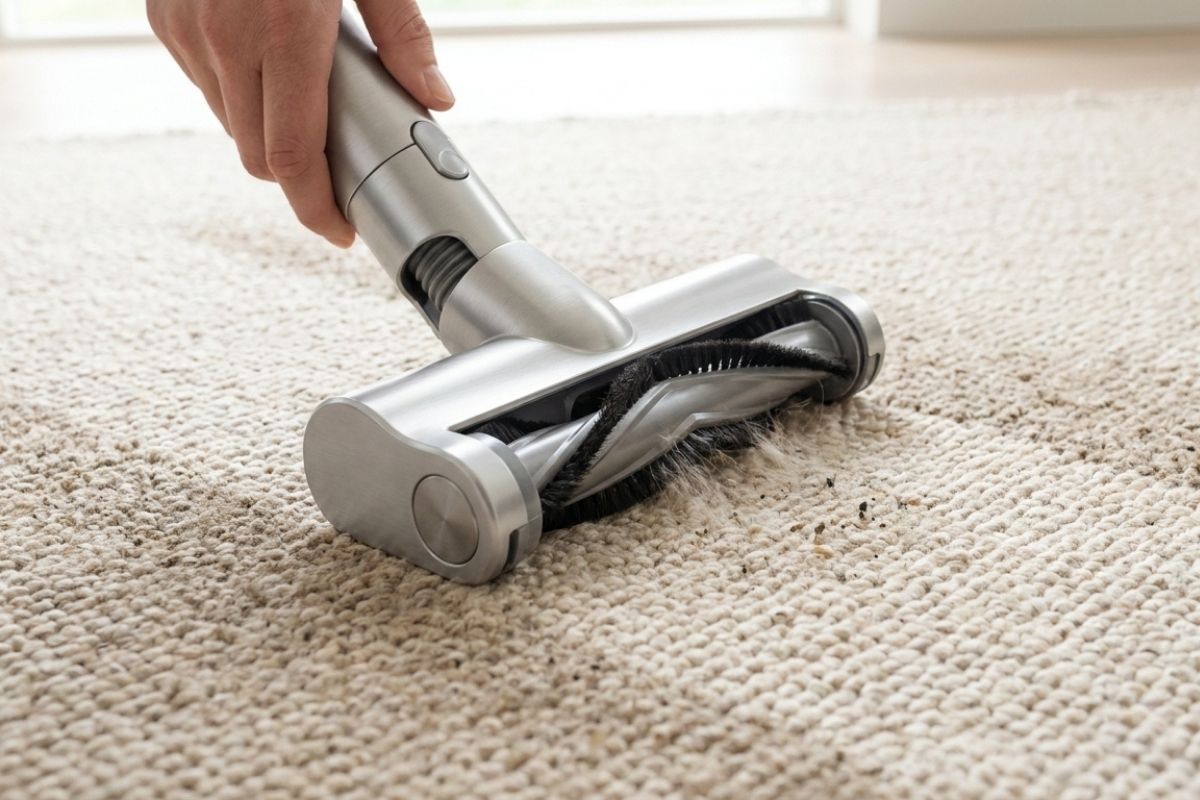
Proper mechanical soil removal is the cornerstone of DIY maintenance. The Carpet and Rug Institute (CRI), the leading scientific authority on textile floor coverings, asserts that proper and frequent vacuuming is the single most important component of carpet maintenance.
To maximize the efficacy of your vacuuming routine in 2026, implement the following scientifically backed protocols:
- Utilize HEPA Filtration: Ensure your vacuum utilizes a true HEPA filter capable of capturing particles as small as 0.3 microns, preventing the redistribution of dust mites and pollen into the air.
- Adjust the Beater Bar Height: Set the rotating brush so it gently agitates the fiber tips. Setting it too low causes unnecessary friction and fiber damage, while setting it too high fails to dislodge embedded soil.
- Slow Your Pacing: Rapid back-and-forth motions are highly ineffective. Pushing the vacuum forward slowly allows the beater bar to separate fibers, while pulling it backward extracts the dirt.
- Follow Traffic Patterns: High-traffic zones—such as hallways and living room centers—require 4 to 6 alternating passes. Perimeter areas may only require 1 to 2 passes.
Tackling Spills Immediately: The Golden Rule of Floor Care
When a liquid breaches the surface tension of a carpet fiber, the clock begins ticking. As moisture travels downward, it reaches the primary and secondary backings. As the surface dries, a process known as capillary action (or wicking) occurs, drawing the moisture and the dissolved soils back up to the visible surface. This is why a stain often reappears days after a homeowner believes it has been removed.
For immediate response, avoid aggressive scrubbing. Scrubbing untwists the fiber yarns, causing permanent distortion known as “blooming.” Instead, use a clean, white, highly absorbent cotton or microfiber towel to blot the spill gently. Apply downward pressure to absorb the liquid into the towel. For specific acidic liquids like coffee, utilizing specialized techniques is critical. You can refer to our guide on how to remove beverage stains rapidly to halt the dye setting process.
Evaluating Spot Treatment Methods: DIY vs. Commercial
One of the most frequent mistakes homeowners make is applying high-pH (alkaline) foaming detergents purchased from local grocery stores. These products often leave a sticky, soapy residue that rapidly attracts new dirt, resulting in a dark spot appearing exactly where the original spill occurred. Understanding the chemistry of spot treatment is vital.
| Treatment Method | Mechanism of Action | Risk Factor | Best Use Case |
|---|---|---|---|
| DIY Vinegar & Water (1:1) | Mild acid neutralizes alkaline spills | Low (Evaporates cleanly) | Fresh pet accidents, mild food spills |
| Over-the-Counter Foams | High alkaline surfactants break down oils | High (Leaves sticky residue) | Rare emergencies only (requires thorough rinsing) |
| Professional Hot Water Extraction | Thermal energy + vacuum extracts soil and residues | None | Routine annual maintenance, deep restorative cleaning |
For individuals seeking safe, at-home mixtures that do not void manufacturer warranties, reviewing proven DIY spill cleaning solutions can save both time and textile lifespan.
Preventing Soil Tracking: Barrier Systems
Prevention is fundamentally more efficient than extraction. Facility management statistics indicate that up to 85% of indoor dirt is tracked in from the outside via footwear. Establishing robust barrier controls dramatically reduces the maintenance burden on your interior textiles.
Implement a two-stage walk-off mat system at all primary exterior entrances. Place an aggressive scraping mat outside the door to remove large debris and moisture. Immediately inside the door, place a highly absorbent textile mat to capture fine particulates and residual moisture. Implementing a strict “no-shoes” policy indoors can further decrease soil accumulation by up to 60%. These preventive strategies are essential components of learning how to extend the life of your carpets between professional cleanings.
Managing Pet Wear and Biological Contaminants
Cohabitating with pets introduces distinct challenges, primarily in the form of dander, body oils, and biological accidents. When a pet accident occurs, urine exits the body at an acidic pH but rapidly transitions into a highly alkaline state as it dries, forming uric acid crystals. In dry climates, this crystallization process happens extremely quickly.
Standard household cleaners cannot break down uric acid crystals. They merely mask the odor temporarily. To effectively neutralize the biological components, an enzymatic cleaner must be applied. The enzymes digest the odor-causing bacteria at a molecular level. Maintaining a pristine environment with animals requires specialized knowledge of how to keep your floors spotless despite pet stains.
Recognizing the Limits of At-Home Care
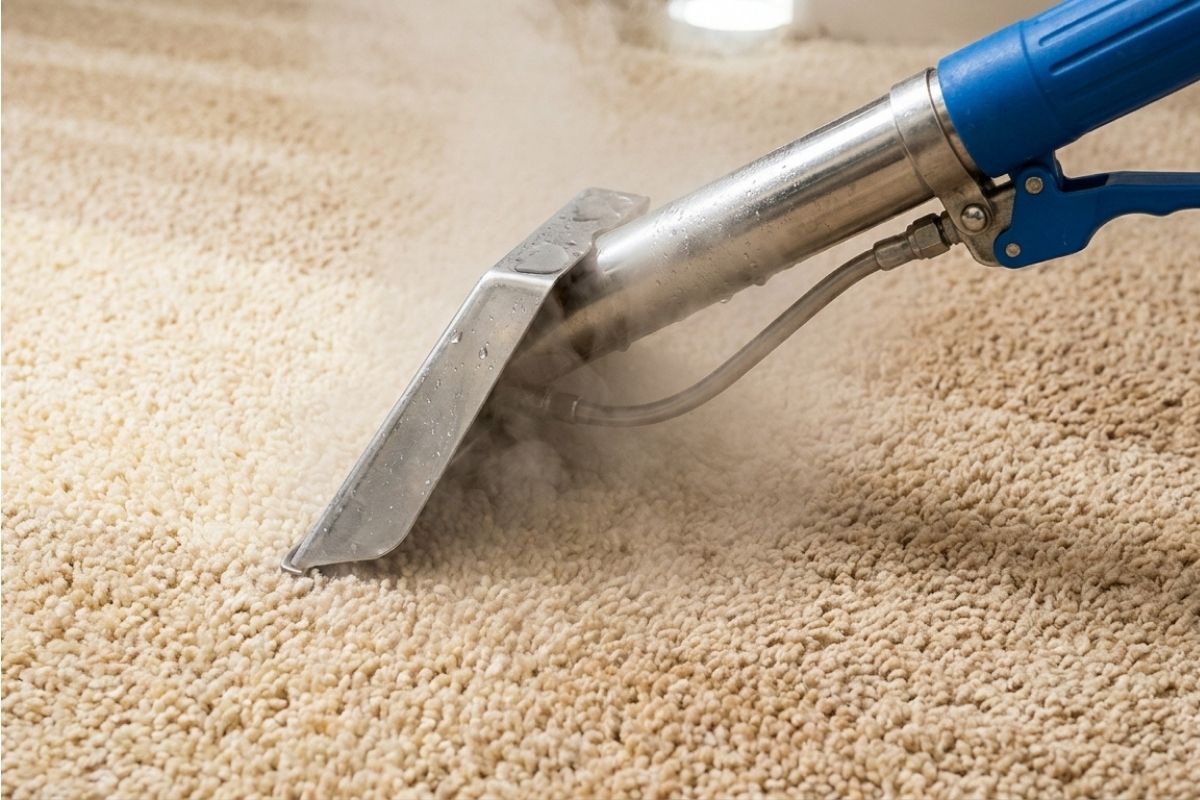
While rigorous daily and weekly maintenance extends the aesthetic and structural lifespan of your flooring, DIY methods have physical limitations. Residential vacuums and portable spot cleaners lack the necessary water pressure, thermal output, and vacuum lift to remove embedded oily soils and deep particulate matter safely.
The standard warranty requirement across major carpet manufacturers dictates that professional hot water extraction must be performed by certified technicians every 12 to 18 months. Failing to adhere to this schedule not only voids protective warranties but also allows abrasive soils to sever fibers at their base, leading to irreversible traffic lane graying. Understanding the reality of these limitations helps homeowners dispel common carpet myths that suggest vacuuming alone is sufficient.
Frequently Asked Questions
How often should I vacuum my carpets?
High-traffic areas should be vacuumed at least twice a week to prevent dry soil from settling into the backing. Rooms with minimal foot traffic can typically be vacuumed once a week to maintain fiber health.
Why does a stain reappear after I have cleaned it?
This phenomenon, known as wicking, occurs when liquid pools at the base of the carpet backing. As the surface fibers dry, capillary action pulls the moisture and dissolved soil back to the top of the carpet.
Does baking soda effectively remove carpet odors?
While baking soda can absorb minor surface odors, its fine particulate nature makes it incredibly difficult to vacuum out completely. Over time, baking soda residue can clog vacuum filters and build up inside the carpet backing.
Is professional cleaning required if I own a residential carpet shampooer?
Yes. Residential shampooers lack the heat and suction power required to extract soaps fully, often leaving a sticky residue behind. Manufacturers require professional hot water extraction every 12 to 18 months to maintain warranty validity.
How does low humidity affect carpet maintenance?
Low relative humidity causes biological spills, like pet accidents, to crystallize and set into the fibers much faster. However, this dry environment is advantageous after professional cleanings, as it significantly reduces overall drying times.
Conclusion
Protecting your investment in textile flooring requires a disciplined approach to daily and weekly maintenance. By implementing systematic HEPA vacuuming, utilizing dual-mat barrier systems, and addressing spills with immediate, scientifically sound blotting techniques, you prevent the vast majority of physical fiber wear. However, DIY maintenance is a complementary strategy, not a replacement for professional care. To fully reset the chemical balance of your textiles and extract deeply embedded soils, professional thermal extraction remains an absolute necessity.
If your floors are exhibiting signs of traffic lane graying or stubborn spots that refuse to yield to safe home care methods, it is time to schedule a deep restorative extraction. Contact us today to ensure your flooring remains hygienic, vibrant, and structurally sound for years to come.
References
- United States Environmental Protection Agency (EPA) – Data on Indoor Air Quality and Pollutant Levels.
- The Carpet and Rug Institute (CRI) – Industry Standards for Vacuuming and Textile Maintenance.
- American Lung Association – Research regarding allergens trapped in residential flooring.
- National Weather Service – Climatological data and regional sunshine statistics.
