


Carpet traffic lanes in Phoenix homes are primarily caused by the relentless friction of desert sand, microscopic silica dust, and airborne particulate matter grinding against synthetic carpet fibers under the weight of daily foot traffic. Over time, this abrasive action scratches the fibers, permanently altering how they reflect light, while simultaneously compressing the yarn twist to create flattened, discolored pathways that simple vacuuming cannot reverse. Utilizing a specialized Steam Carpet Cleaning Phoenix service is essential to flush out this deeply embedded grime and restore crushed fibers before permanent mechanical damage occurs. Understanding this combination of local environmental factors and mechanical wear is the first step in protecting your flooring investment.
Key Takeaways
- Abrasive Desert Soil: The arid Phoenix environment introduces silica sand and PM10 particulate matter into homes, which act like microscopic razor blades on carpet fibers.
- The Optical Illusion of Soiling: Heavily worn pathways often look dirty even after cleaning because scratched synthetic fibers absorb light rather than reflecting it.
- Pile Crush and Matting: Continuous heavy foot traffic untwists carpet tufts, causing them to mat down and lose their structural integrity.
- Tracked-in Residue: Oils from bare feet and sticky residues from improper DIY cleaning solutions act as magnets for airborne desert dust.
- Prevention is Key: Strategic vacuuming, the use of proper walk-off mats, and annual professional hot water extraction can significantly delay the formation of wear patterns.
The Unique Phoenix Environment and Carpet Wear
Living in the Sonoran Desert presents unique challenges for maintaining indoor flooring. As we navigate residential maintenance standards in 2026, it is crucial to recognize that the regional environment plays a disproportionately large role in flooring degradation. Phoenix is characterized by an exceptionally dry climate, receiving over 300 days of sunshine annually. This arid environment produces high levels of fine airborne dust, specifically categorized as PM10 particulate matter by air quality authorities.
According to the Maricopa County Air Quality Department, PM10 dust includes microscopic particles of soil, pollen, and naturally occurring silica sand. When these particulates infiltrate a home through open doors, windows, and HVAC systems, they eventually settle into the deepest layers of flooring textiles. Understanding proper cleaning frequency in dry climates is vital because this regional dust acts entirely differently than the loamy soil found in more humid parts of the country.
Research from the Environmental Protection Agency (EPA) shows that indoor air can be two to five times more polluted than outdoor air. In a desert metropolis, a significant portion of this indoor pollution consists of abrasive mineral dust. As individuals walk across the living room or hallway, their body weight forces these sharp mineral particles against the synthetic strands of the rug, initiating a process of gradual destruction.
The Science of Fiber Abrasion and Light Reflection
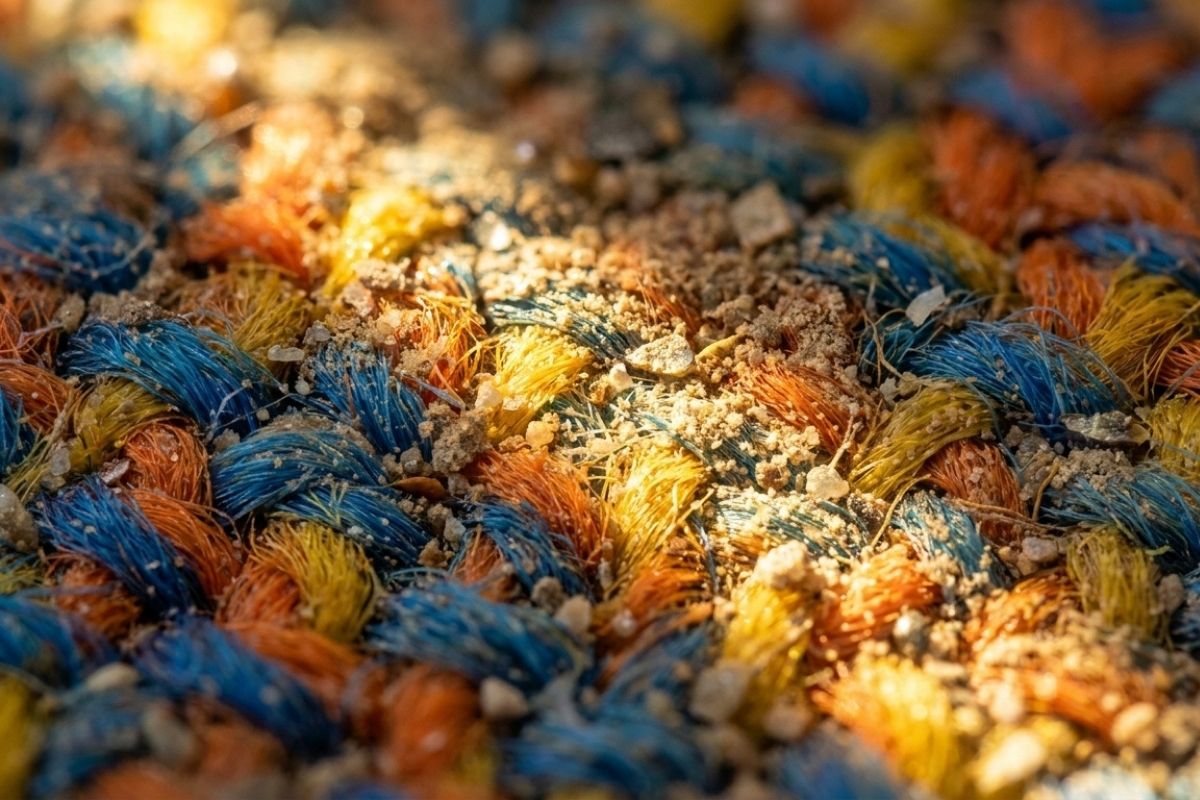
To understand why pathways appear dark and dingy, one must look closely at the physics of synthetic fibers. Most modern residential carpets are constructed from nylon, polyester, or triexta. When manufactured, these synthetic strands are extruded to be perfectly smooth and highly reflective. This smooth surface allows light to bounce off the tufts uniformly, giving the flooring a bright, vibrant appearance.
However, when microscopic silica dust is trapped in the pile, foot traffic grinds these sharp edges into the smooth synthetic strands. Over months and years, the strands become heavily scratched and pitted. This microscopic damage scatters light rather than reflecting it smoothly. Consequently, the scratched pathways absorb ambient room light, casting tiny shadows that make the area look dark, gray, or heavily soiled—even immediately after a thorough washing.
This phenomenon explains why many homeowners feel frustrated after cleaning their floors. The Carpet and Rug Institute (CRI) provides critical insight into this issue, officially stating: “Vacuuming is the single most effective means of keeping carpets clean.” By removing the sharp, dry particulates before they can be ground into the pile, regular vacuuming prevents the mechanical scratching that causes permanent dulling.
Pile Crush: The Loss of Tuft Twist
Beyond microscopic scratches, the physical structure of the flooring is also compromised in high-traffic zones. During manufacturing, yarn is tightly twisted and heat-set to maintain a springy, upright posture. This process, known as tuft twist, gives the flooring its soft, plush texture.
Constant, repetitive compression from walking, running, and playing causes the heat-set twist to gradually relax. Once the yarn untwists, the individual strands flare out and lay flat, a condition formally known in the textile industry as pile crush or matting. In hallways, entryways, and the spaces directly in front of sofas, this constant compression is unavoidable. Recognizing signs your carpets require deep cleaning early can help restore some of this crushed pile before the yarns permanently lose their structural memory.
Tracked-in Oils and Sticky Residues
While dry mineral dust causes abrasion, sticky residues act as an adhesive that accelerates the entire degradation process. The International Sanitary Supply Association (ISSA) notes that eighty-five percent of the dirt tracked into a building is dry, while the remaining fifteen percent is oily. These oily contaminants come from asphalt driveways, automotive fluids in garages, and cooking greases from the kitchen.
Furthermore, human skin naturally produces oils. Walking barefoot across the house transfers sebum directly onto the fibers. Over time, this thin lipid layer coats the yarn, turning it into a magnet for the airborne dust blowing in from the desert. The dust sticks to the oil, and the resulting mixture creates a dark, gummy residue.
Many homeowners inadvertently worsen this condition by attempting spot treatments with over-the-counter foaming cleaners. These alkaline, soap-heavy products often leave behind a sticky surfactant residue because they are not properly extracted. This leads to rapid re-soiling, highlighting the serious dangers of do-it-yourself carpet cleaning. The sticky residue attracts dirt exponentially faster than the surrounding clean areas, creating hyper-visible, dark pathways.
Traffic Lanes vs. Simple Soiling: What is the Difference?
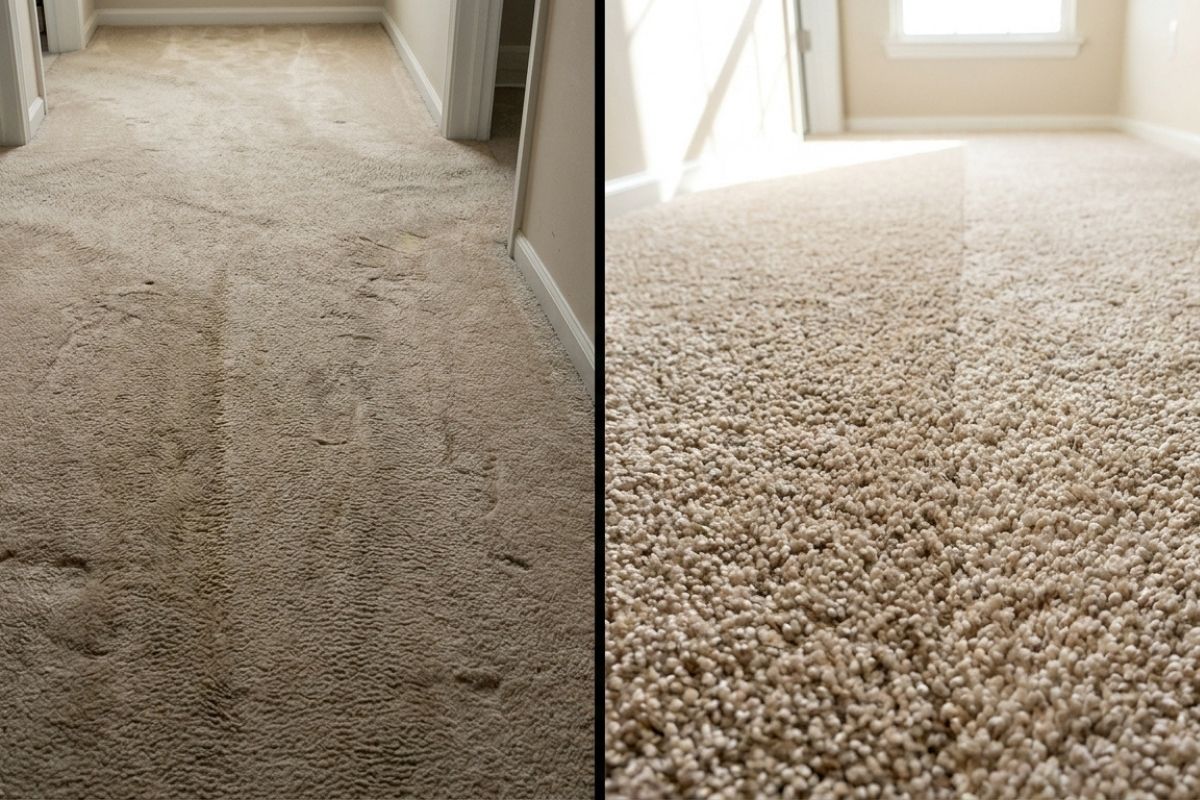
It is essential to distinguish between a floor that is merely dirty and one that is structurally damaged. Dirt can be washed away; physical damage is permanent. The table below outlines the distinct differences between temporary soiling and irreversible wear patterns.
| Characteristic | Simple Soiling (Dirty Carpet) | Traffic Lane (Structural Wear) |
|---|---|---|
| Visual Appearance | Dark spots or generalized dullness. | Distinct, flattened pathways (e.g., down hallways). |
| Texture | Fibers remain upright but may feel slightly stiff or sticky. | Fibers are completely flattened, matted, and untwisted. |
| Reaction to Cleaning | Color and brightness are fully restored after hot water extraction. | Remains looking slightly gray or shadowed due to light scattering on scratched nylon. |
| Primary Cause | Spills, tracked-in mud, surface dust. | Long-term abrasion from silica sand and loss of yarn twist. |
How to Prevent and Mitigate Carpet Matting
While no flooring lasts forever, strategic managing of high-traffic flooring can extend its lifespan by years. By implementing a proactive defense system, you can significantly delay the onset of severe pile crush and abrasion. Follow these actionable steps to protect your home’s interior:
- Install Dual Walk-Off Mats: According to facility management data from the ISSA, adequate walk-off mats can capture up to 90% of tracked-in soil. Place a rough, scraping mat outside exterior doors and an absorbent mat immediately inside. Ensure the interior mat is long enough to require at least three steps to cross.
- Enforce a “No Outside Shoes” Policy: Shoes carry asphalt oils, chemical fertilizers, and sharp pebbles. Transitioning to indoor-only slippers (rather than bare feet, which leave behind body oils) prevents the introduction of these harmful elements.
- Implement Strategic Vacuuming: Do not just vacuum the whole house once a week. Vacuum heavily trafficked hallways, entryways, and family rooms every other day, while reserving whole-house vacuuming for the weekend. Use a machine with a rotating beater bar to agitate the pile, taking slow, deliberate passes to allow the suction to remove deep-seated sand.
- Rearrange Heavy Furniture: Changing the layout of your living room every six months alters the natural walking pathways through the room. This distributes footfall evenly across the entire space, preventing a single concentrated path of destruction.
- Schedule Routine Professional Extraction: Do not wait until the floor looks visibly soiled to call a professional. By the time pathways are black, severe fiber damage has already occurred. Scheduling annual cleanings is vital for extending your carpet’s lifespan.
The Role of Professional Hot Water Extraction
Vacuuming removes dry, loose soil, but it cannot dissolve sticky oils or completely lift severely crushed pile. This is where professional hot water extraction (commonly referred to as steam cleaning) becomes an absolute necessity. Understanding the benefits of steam extraction allows homeowners to make informed maintenance decisions.
Professional truck-mounted systems inject pressurized hot water (often exceeding 200 degrees Fahrenheit) and specialized, pH-balanced detergents deep into the textile base. The intense heat acts as a catalyst, breaking down the lipid bonds of body oils, cooking grease, and old soap residues. Simultaneously, the immense suction power extracts the suspended soil, moisture, and micro-abrasives out of the home entirely.
Furthermore, the combination of high heat and rapid extraction helps “shock” the synthetic yarns back into their original shape, temporarily restoring some of the lost tuft twist. Homeowners highly concerned with indoor air quality and chemical exposure can also opt for eco-friendly cleaning solutions, which utilize plant-based surfactants and carbonated water to achieve exceptional results without leaving volatile organic compounds (VOCs) behind.
Frequently Asked Questions (FAQ)
Can traffic lanes be completely removed?
If the lane is simply heavily soiled, professional extraction can completely restore it. However, if the synthetic fibers have been physically scratched and the yarn is permanently untwisted, cleaning will remove the dirt, but the pathway will still appear somewhat dull due to structural damage.
Does vacuuming too much wear out the carpet?
No, this is a common myth. Frequent vacuuming extends the life of the fibers by removing the sharp, abrasive soils that cause mechanical wear. As long as your vacuum’s beater bar is set to the correct height, daily vacuuming is highly beneficial.
Why does my hallway look dirty again just weeks after cleaning?
Rapid re-soiling is typically caused by sticky soapy residue left behind from DIY spot cleaners or rented machines. Airborne dust sticks directly to this residue. Professional, high-powered hot water extraction is required to rinse out the underlying soaps.
How often should Phoenix homeowners schedule professional cleanings?
Because of the heavy silica sand and dust in the Sonoran Desert, industry experts recommend professional hot water extraction every 12 to 18 months. Homes with multiple pets or large families should consider cleanings every 6 to 9 months.
Will carpet rakes help fix matted areas?
Carpet rakes (or grooming brushes) are excellent tools for lifting the pile and separating the fibers prior to vacuuming. While they will not reverse permanent damage, regular grooming helps maintain yarn twist and prevents severe matting.
Conclusion
Carpet traffic lanes in Phoenix homes are the inevitable result of desert physics meeting daily residential life. The microscopic silica dust that blows through the Sonoran Desert acts as an abrasive compound, scratching and crushing synthetic fibers until they lose their original luster and structure. While permanent physical damage cannot be fully reversed, understanding the mechanics of pile crush and fiber abrasion allows you to take decisive preventative action. By utilizing strategic vacuuming, protective walk-off mats, and proper indoor footwear habits, you can drastically reduce the amount of harmful particulates grinding into your floors. Most importantly, integrating routine professional hot water extraction into your annual home maintenance schedule will strip away the sticky oils that trap dirt and help revitalize compressed yarns.
If you are struggling with stubborn wear pathways, sticky residues, or flattened pile, professional intervention is the safest and most effective solution. Contact us today to schedule a comprehensive assessment and deep cleaning, and let our experts restore the comfort and beauty of your living spaces.
References
- Carpet and Rug Institute (CRI) – Residential Cleaning Standards and Vacuum Guidelines. https://www.carpet-rug.org
- Environmental Protection Agency (EPA) – Indoor Air Quality and Particulate Matter Data. https://www.epa.gov
- International Sanitary Supply Association (ISSA) – Soil Tracking and Walk-Off Mat Effectiveness. https://www.issa.com
- Maricopa County Air Quality Department – PM10 Particulate Matter and Desert Dust Statistics. https://www.maricopa.gov
