
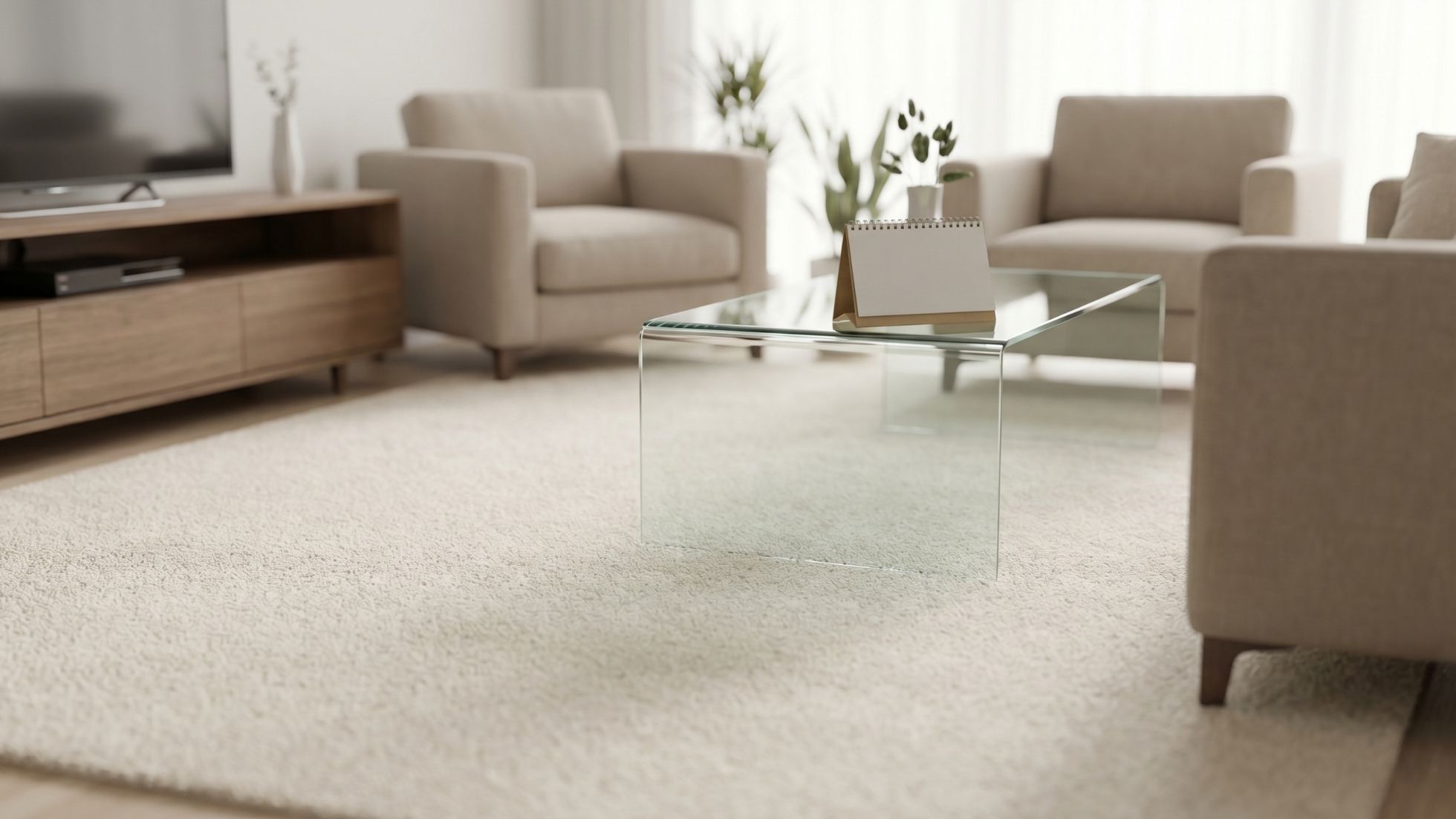

Investing in high-quality carpeting for your home is a significant financial commitment. It provides thermal insulation, dampens sound, creates a safe play area for children, and adds an unparalleled level of comfort to your living spaces. However, protecting that investment requires more than just running a vacuum over it once a week.
At Barefoot Clean Floors, the single most common question we receive from homeowners across the Valley of the Sun is: “How often do I actually need to have my carpets professionally cleaned?”
If you search the internet for a generic answer, you will likely find a blanket recommendation of “once a year.” While that is a decent baseline for a home in a mild climate, relying on national averages is a critical mistake for Arizona residents. The extreme environment of the Sonoran Desert, combined with the unique dynamics of your specific household, dictates that your maintenance routine must be customized.
Establishing the optimal carpet cleaning schedule Phoenix is a strategic decision that extends the life of your flooring, protects your home’s indoor air quality, and preserves the manufacturer’s warranty. In this definitive guide, we will break down exactly how the desert environment degrades carpet fibers, why waiting until the carpet “looks dirty” is a costly error, and how to determine the perfect, customized cleaning frequency for your specific lifestyle.
 The Phoenix Factor: Why the Desert Dictates Your Schedule
To understand why Phoenix homes require a specialized approach to floor care, we have to look closely at the environment immediately outside our front doors. We do not have to deal with the slush, road salt, or heavy snow that destroys floors in the Midwest or Northeast, but our local elements are just as destructive in a much more insidious way.
The Microscopic Threat of Silica Dust
The soil in the Phoenix metropolitan area is heavily composed of clay, caliche, and ultra-fine silica sand. This desert dust is remarkably lightweight, meaning it is easily picked up by the wind and carried for miles. It bypasses weather stripping, blows in through open garage doors, and is constantly tracked inside on the soles of your shoes.
When this fine silica dust settles into your carpet, it does not just rest gently on the surface. Gravity and foot traffic force the tiny particles deep into the base of the carpet pile, resting against the primary backing.
The “Sandpaper” Effect on Synthetic Fibers
Here is where the real damage occurs. Under a microscope, silica dust has incredibly sharp, jagged edges. Your carpet fibers—whether they are made of nylon, polyester, or triexta—are essentially long, extruded threads of synthetic plastic.
When you walk across a carpet that is loaded with hidden desert dust, the compression of your footsteps grinds those sharp silica particles against the sides of the synthetic fibers. This acts exactly like microscopic sandpaper, scratching, gouging, and fraying the smooth plastic strands.
The Illusion of “Uglying Out”
When carpet fibers are smooth and intact, they reflect light efficiently, which is why brand-new carpet looks vibrant, bright, and colorful. When the fibers become heavily scratched by desert sand, they diffuse and scatter light.
This causes the carpet to look permanently gray, dull, and dingy—a condition the flooring industry refers to as “uglying out.” The tragedy of “uglying out” is that once the physical fiber is scratched, the damage is completely irreversible. You can clean the carpet a dozen times, but it will never regain its original luster.
This is the primary reason a proactive carpet cleaning schedule Phoenix is mandatory. You must extract the abrasive sand before it has the chance to permanently scratch the yarn.
The Baseline: Understanding Your Manufacturer’s Warranty
Before calculating the variables of your specific household, it is critical to establish the absolute minimum baseline for carpet cleaning. If you have purchased and installed new carpeting within the last five to ten years, that flooring came with a manufacturer’s warranty protecting against premature wear, texture retention loss, and staining.
The Fine Print of Floor Care
Major carpet manufacturers (such as Shaw, Mohawk, and DreamWeaver) are fully aware of how destructive embedded dirt is to their products. Therefore, they write specific maintenance requirements directly into their warranty contracts.
Virtually every major carpet mill stipulates that to keep your warranty valid, you must have the carpets professionally cleaned every 12 to 18 months.
The Hot Water Extraction Mandate
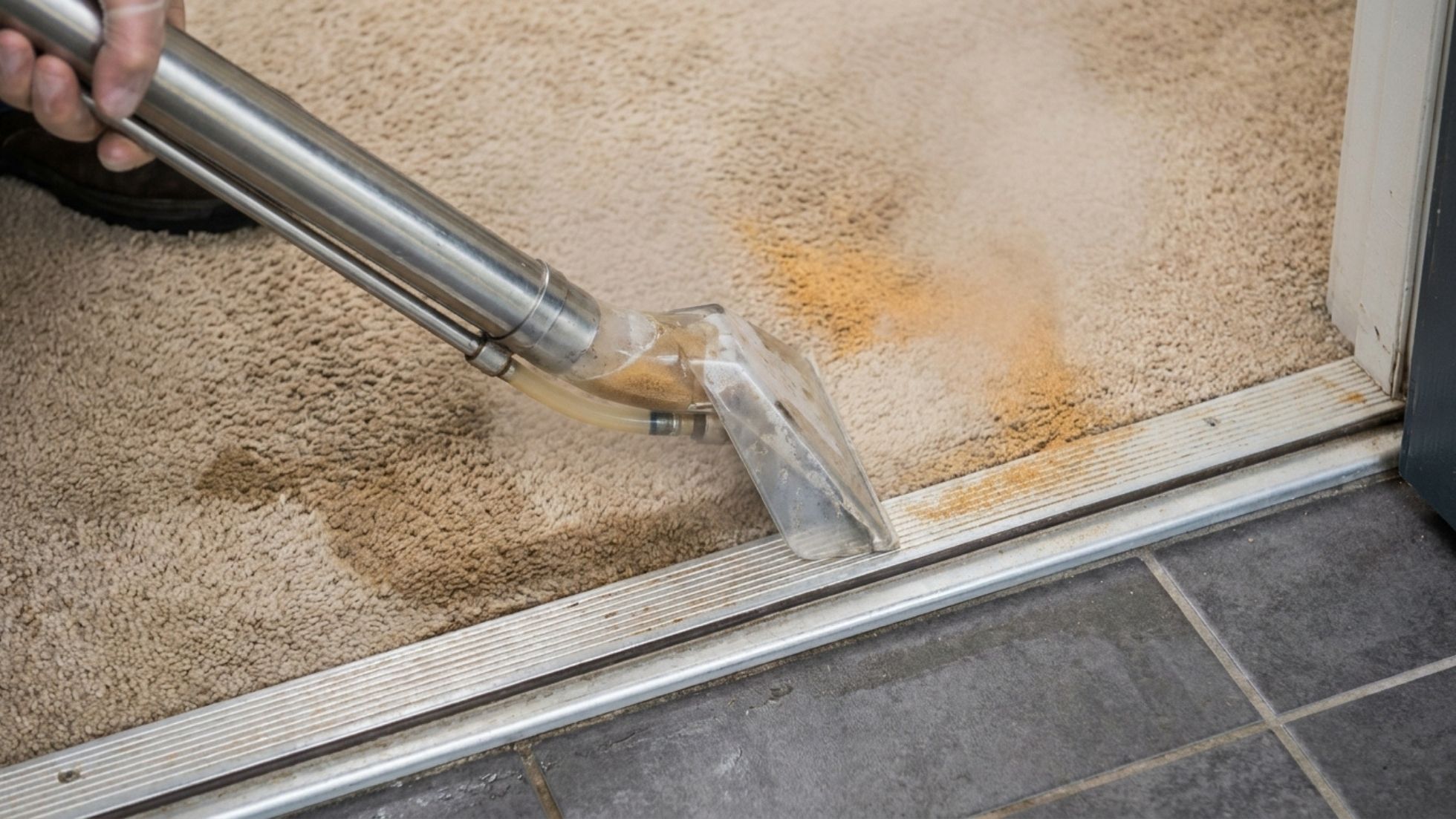
Furthermore, the manufacturers dictate how the carpet must be cleaned. They explicitly require “Hot Water Extraction”—commonly known as steam cleaning. They also specify that the cleaning must be performed by certified professionals.
If your carpet begins to mat down prematurely in the third year, and you attempt to file a warranty claim with the manufacturer, the very first thing the claims adjuster will ask for is your receipts proving you adhered to a professional cleaning schedule.
Why DIY Machines Void Warranties
It is important to note that renting a machine from a grocery store or using a consumer-grade home spot cleaner does not satisfy the warranty requirements. In fact, utilizing heavy alkaline DIY shampoos can actively void the warranty by stripping the factory-applied stain repellents off the fibers. Sticking to a professional routine is both a cosmetic preference and a financial safeguard.
 Customizing Your Carpet Cleaning Schedule Phoenix
With the 12-month warranty baseline established, we can adjust the frequency based on the reality of how your home is actually used. A retired couple living quietly will not subject their floors to the same wear and tear as a family of five with three dogs.
Here is how to determine the precise carpet cleaning schedule Phoenix for your unique household profile.
Scenario 1: The Light-Traffic Household
Recommended Frequency: Every 12 to 18 Months
This profile applies to homes occupied by one or two adults, with no indoor pets, and no children. In this scenario, the household generally operates at a calm pace. If the occupants also enforce a strict “no shoes indoors” policy, the introduction of outside desert soil is kept to an absolute minimum.
For these homes, an annual cleaning is perfectly sufficient. The primary goal of the cleaning is to fulfill the warranty requirements, extract the fine layer of ambient haboob dust that settles throughout the year, and refresh the high-traffic lanes (such as the hallway leading to the master bedroom).
Scenario 2: The Active Family Home
Recommended Frequency: Every 6 to 9 Months
When children are added to the equation, the dynamics of floor care change dramatically. Active families experience a significantly higher volume of concentrated foot traffic. Kids run in and out of the backyard, bringing grass, dirt, and mud with them.
Furthermore, the likelihood of accidental spills skyrockets. From dropped juice boxes and smeared snacks to paint, markers, and playground dirt, the carpets in a family home take a beating.
Waiting an entire year to clean the carpets in an active family home allows food residues to attract dirt and permanent stains to set. A bi-annual schedule (every six months) ensures that the high-traffic areas are restored before the fibers can crush and that biological spills are extracted before they breed bacteria.
Scenario 3: The Pet Owner’s Reality
Recommended Frequency: Every 3 to 6 Months
We love our pets, but they are undeniably the hardest factor on residential flooring. Dogs and cats introduce a trifecta of carpet contaminants:
-
Dander and Fur: Pets shed continuously, driving heavy amounts of biological matter into the carpet pile.
-
Oils and Dirt: The natural oils in a dog’s coat transfer to the carpet where they sleep. These sticky oils act as a magnet for the dirt they track in from the backyard.
-
Biological Accidents: Even the most well-trained pet will occasionally experience illness or have a urine accident.
Urine is particularly destructive. When pet urine dries in the carpet pad, it crystallizes into uric acid. These crystals are highly concentrated and emit strong ammonia odors, especially when the ambient humidity rises during the Phoenix monsoon season.
If you own pets, a standard 12-month cleaning cycle is vastly insufficient. A professional extraction every 3 to 6 months is necessary to manage odors, extract dander, and neutralize uric acid crystals before they permanently bleach the carpet dyes.
Scenario 4: Allergy and Asthma Sufferers
Recommended Frequency: Every 3 to 4 Months
As discussed in previous guides, your carpet is the largest passive air filter in your home. It traps dust mites, pollen, pet dander, and chemical VOCs. For individuals suffering from chronic allergies, asthma, or compromised immune systems, the indoor air quality of the home is a matter of daily physical health.
When the carpet “filter” becomes full, it stops trapping allergens and begins ejecting them back into the breathing zone with every footstep. To maintain a sterile, symptom-free environment, allergy sufferers should implement a rigorous carpet cleaning schedule Phoenix of three to four times a year. This guarantees that the indoor air filter is continuously emptied, providing massive relief during peak spring and fall allergy seasons.
The “Wait and See” Fallacy: Why Visual Cues Are Too Late
The biggest mistake homeowners make is utilizing the “Wait and See” approach. They look at their living room floor and think, “It doesn’t look dirty yet, I’ll wait another six months.”
Maintenance Cleaning vs. Restorative Cleaning
By the time a carpet looks visibly soiled to the naked eye, it is already in a state of severe distress. The human eye cannot detect the microscopic layers of silica dust settling at the base of the yarn. When the carpet finally turns dark in the traffic lanes, it means the dirt has completely saturated the fibers and has begun the irreversible scratching process.
Professional carpet cleaning should be viewed as maintenance, not restoration. You do not wait until your car’s engine seizes up to change the oil; you change the oil on a specific mileage schedule to prevent the engine from failing.
The same logic applies to your flooring. Adhering to a strict timeline ensures you extract the abrasive, invisible soils before they cause permanent physical degradation to the yarn.
Maximizing the Time Between Professional Cleanings
Once you have established the proper frequency for your professional cleanings, the day-to-day habits you maintain will dictate how well your floors hold up between visits from Barefoot Clean Floors.
1. The Art of Strategic Vacuuming
Vacuuming is your first line of defense, but most people do it incorrectly.
-
Frequency: High-traffic areas and rooms used daily should be vacuumed at least twice a week. Low-traffic guest rooms can be vacuumed once a week.
-
Technique: Vacuuming is not a race. Moving the vacuum rapidly back and forth does not give the beater bar time to agitate the fibers or the suction motor time to lift the heavy dirt. Push the vacuum forward slowly, and pull it back even slower.
-
Equipment: Invest in a vacuum with a HEPA filter to ensure you are not blowing microscopic dust back into the air, and change the bags or empty the canister frequently to maintain maximum suction power.
2. Implement Walk-Off Systems
Stop the desert dirt before it ever reaches your carpet. Place heavy-duty, bristled mats outside every exterior door to scrape the heavy debris off shoes. Place softer, highly absorbent mats inside the doors to capture fine dust and moisture. Taking three steps on an interior mat will remove up to 80% of the soil from the bottom of a shoe.
3. The “Barefoot” Rule
The absolute best habit you can adopt to extend your carpet cleaning schedule Phoenix is the removal of outdoor footwear. Designate a space in the entryway or garage for shoes, and transition to socks or bare feet indoors. This eliminates the introduction of asphalt oils, lawn chemicals, and the vast majority of abrasive silica sand.
4. Rapid Spill Response
When a spill occurs, act immediately. The longer a liquid sits, the deeper it penetrates into the dye sites of the carpet fiber.
-
Never scrub or rub a stain, as this untwists the carpet yarn and forces the liquid deeper.
-
Use a clean, dry, white cotton towel to blot the spill firmly, absorbing as much liquid as possible.
-
Avoid using colorful towels, as the dye from the towel can transfer to the wet carpet. If water is needed, use it sparingly and continue to blot until dry.
Secure Your Investment with Barefoot Clean Floors
Protecting the aesthetic beauty, structural integrity, and hygienic safety of your home’s flooring is not a guessing game. It is a calculated routine based on the realities of the harsh Arizona climate and the unique demands of your family.
Do not rely on the visual “wait and see” method, and do not let generic national advice jeopardize your manufacturer’s warranty. By proactively adopting the correct carpet cleaning schedule Phoenix for your household, you ensure that your floors remain a plush, vibrant, and clean foundation for your home for years to come.
Whether you need a routine annual maintenance clean, a deep restorative extraction for a busy family, or quarterly allergy management, our experts are here to help you establish the perfect timeline. Learn more about our comprehensive maintenance programs and specialized treatments by exploring our Carpet Cleaning Phoenix AZ services.
Stop guessing and start protecting. Contact Barefoot Clean Floors today to consult with our experts and lock in your customized carpet cleaning schedule!
