
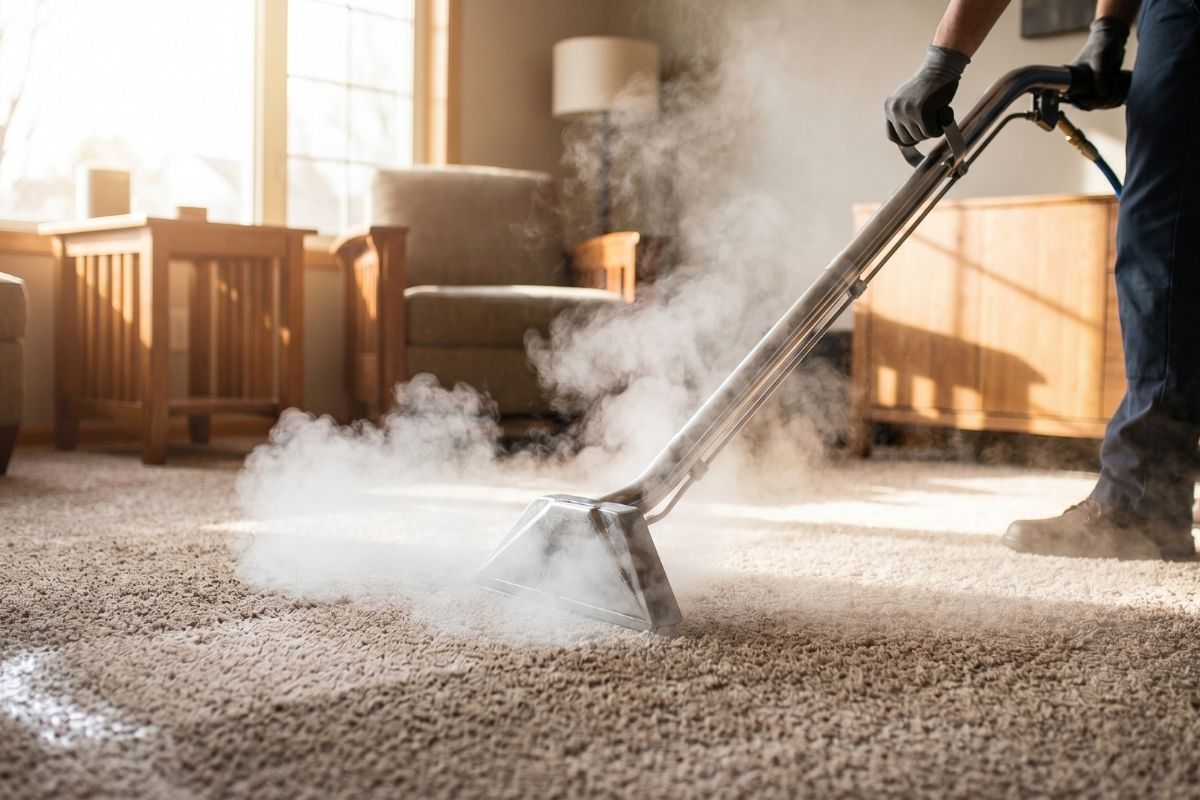

Phoenix dust storms deposit ultra-fine particulate matter, known as PM10 and PM2.5, directly into residential carpets, making professional Steam Carpet Cleaning Phoenix services an immediate necessity to prevent severe fiber abrasion and serious indoor air quality degradation. When a haboob strikes, fine alkaline desert soil infiltrates even tightly sealed homes. If left untreated, this microscopic silica acts like ground glass, permanently shearing carpet fibers under the weight of normal foot traffic while circulating hazardous spores into the air you breathe.
Key Takeaways
- Microscopic Abrasion: Dust storm soil contains sharp silica particles that physically cut and fray synthetic and natural carpet fibers.
- Health Hazards: Untreated desert dust in carpets can harbor Coccidioides spores, which are responsible for Valley Fever.
- Vacuuming Limitations: Standard consumer vacuums often lack the HEPA filtration required to trap PM2.5 particles, risking redistribution into the air.
- Alkaline Mud Risk: Attempting to clean dust storm residue with consumer carpet shampooers often creates hard, alkaline mud at the base of the carpet pad.
- Professional Solutions: Hot water extraction (steam cleaning) is the only verifiable method to fully purge embedded monsoon dust from carpet backing.
The Science of a Phoenix Haboob: What Enters Your Home
To understand the severe impact of local weather on your flooring, you must first understand the meteorological mechanics of a haboob. During the Arizona monsoon season, which officially runs from June 15 to September 30, massive walls of dust are propelled by thunderstorm downdrafts. According to the National Weather Service, these dust storms can reach peak heights of up to 5,000 feet and travel at speeds between 40 to 60 miles per hour.
Unlike normal household dust—which is largely comprised of dead skin cells, fabric fibers, and pet dander—haboob dust is primarily geological. It consists of pulverized desert crust, agricultural chemical runoff, vehicle exhaust particulate, and microscopic silica sand. This combination creates an incredibly fine, highly alkaline dust mixture. In 2026, the density of urban development in the Phoenix metropolitan area means these storms are picking up an increasingly complex mixture of organic and inorganic pollutants before forcing their way through the micro-crevices of your home’s doors, windows, and HVAC systems.
Because the particles are categorized as PM10 (particulate matter 10 micrometers or less in diameter) and PM2.5, they remain suspended in the indoor air for hours before eventually settling deeply into the pile of your carpets and the fabric of your furniture. Improving indoor air quality relies entirely on successfully extracting these particulates before they embed permanently.
How Microscopic Dust Damages Carpet Fibers
Carpets act as the largest passive air filters in your home. While this is highly beneficial for trapping airborne contaminants, it becomes a liability if the carpet reaches maximum capacity after a severe weather event. The damage inflicted by desert soil is mechanical, not just aesthetic.
Silica, a primary component of Arizona sand, has a highly jagged, crystalline structure under a microscope. When haboob dust settles into a carpet, it sinks past the visible surface down to the primary backing. Every time you walk across the room, your body weight grinds these sharp silica shards against the carpet’s yarn. This process, known as structural abrasion, shears the microscopic dye sites and outer protective layers of the fibers.
The result is a phenomenon known as “traffic lane graying.” Homeowners often assume their carpet is simply stained, but in reality, the fibers have been physically scratched and can no longer reflect light the way they did when new. Once fibers are scratched by silica, the damage is irreversible. This emphasizes why vacuuming isn’t enough to prevent long-term wear; extraction is required before the mechanical damage occurs.
Indoor Air Quality and Respiratory Health Risks
The implications of dirty carpets extend far beyond interior design. According to the Environmental Protection Agency (EPA), indoor levels of pollutants may be two to five times—and occasionally more than 100 times—higher than outdoor levels. When an extreme weather event forces heavily polluted air indoors, your flooring becomes a massive reservoir for toxic compounds.
In the American Southwest, the most pressing concern is Coccidioidomycosis, commonly known as Valley Fever. The fungal spores responsible for this disease live dormant in the alkaline soils of the Sonoran Desert. During a haboob, these spores are aerosolized and transported indoors. The Arizona Department of Health Services consistently warns that disturbing settled dust is a primary vector for spore inhalation. If these spores settle into your carpet, everyday activities like children playing on the floor or pets running through the house will kick them back into the breathing zone.
Furthermore, for individuals with asthma or chronic allergies, the mixture of agricultural pesticides and PM2.5 dust creates a volatile respiratory trigger. The Centers for Disease Control and Prevention (CDC) notes that fine particulate matter can bypass the respiratory system’s natural defenses and travel deeply into the lungs. Keeping carpets thoroughly sanitized is not just a matter of cleanliness; it is a critical health intervention during the 2026 monsoon season.
Step-by-Step: What to Do After a Phoenix Dust Storm
Taking immediate and calculated action following a haboob can mean the difference between a quick cleanup and permanent floor damage. Follow these professional steps to mitigate the impact on your home:
- Keep Windows and Doors Sealed: Wait until the outdoor air quality index (AQI) has returned to a safe level before opening any exterior doors. Ensure weatherstripping is fully intact.
- Replace HVAC Filters: Before beginning any indoor cleaning, replace your air conditioner’s filter. Upgrade to a MERV 13 or higher rating, which is capable of capturing PM2.5 and PM10 particles that are disturbed during the floor cleaning process.
- Perform Slow, Dry HEPA Vacuuming: Standard vacuuming speeds are ineffective against fine silt. Move the vacuum head at half your normal speed, allowing the suction motor sufficient time to pull heavier sand particles from the carpet backing. Ensure your vacuum utilizes true HEPA filtration (capturing 99.97% of particles down to 0.3 microns) so you are not simply exhausting the dust back into the room.
- Wipe Down Hard Surfaces First: Gravity will cause dust from ceiling fans, blinds, and countertops to fall onto the floor. Clean these higher surfaces with a damp microfiber cloth before addressing the carpets to prevent re-contamination.
- Evaluate the Need for Professional Intervention: If the dust storm was severe, dry vacuuming will only remove surface debris. Look for indicators your carpets need professional attention, such as a dusty odor or a gritty texture underfoot.

Comparing Carpet Cleaning Methods for Dust Storm Recovery
Not all cleaning methods are equipped to handle the unique chemistry and volume of Arizona desert soil. Homeowners must select the correct protocol to ensure the floor is restored safely.
| Cleaning Method | Mechanism of Action | Effectiveness on Haboob Dust | Risk Level |
|---|---|---|---|
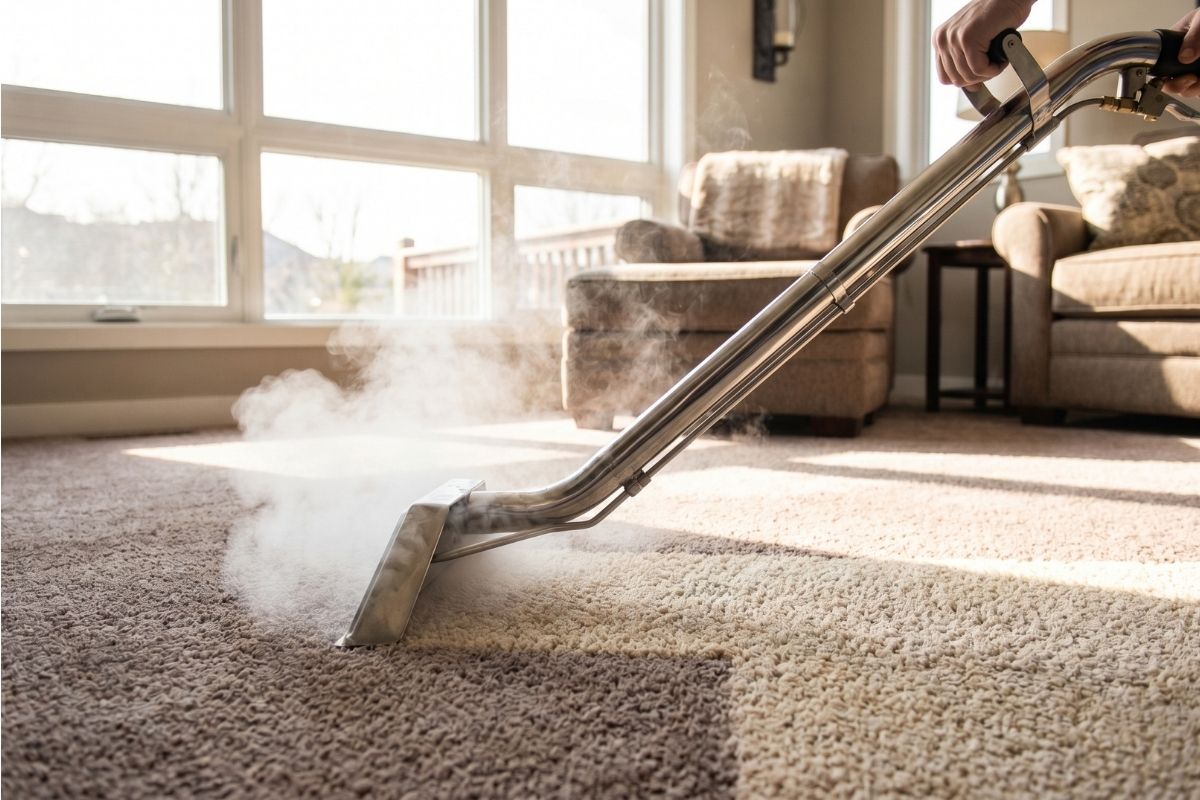
| Hot Water Extraction (Steam Cleaning) | Injects highly pressurized water and cleaning agents, followed by high-powered vacuum extraction. | Excellent. Fully flushes fine silica and spores from the deepest layers of the carpet pad. | Low (when performed by certified professionals). |
| Dry Encapsulation | Uses chemical polymers to crystallize dirt particles, which are then vacuumed away. | Moderate. Good for maintenance, but struggles with heavy volumes of deep-set desert silt. | Low. |
| DIY Rental Machines | Low-pressure water dispersion with weak suction motors. | Poor. Frequently turns alkaline dust into permanent mud at the base of the carpet. | High (Risk of mold and permanent discoloration). |
Understanding the distinction between steam cleaning versus traditional methods is vital. Because haboob dust is highly alkaline (often testing at a pH of 8.0 or higher), professional cleaners will apply a specialized, slightly acidic pre-conditioning treatment to neutralize the soil before extraction. Consumer methods entirely ignore this chemical reality.
The Limits of DIY Carpet Care in Arizona
Many homeowners attempt to mitigate dust storm damage using rental machines from local grocery or hardware stores. Unfortunately, this is one of the most damaging actions you can take for your flooring. There are significant harms of DIY carpet cleaning that become exponentially worse when dealing with desert dust.
Consumer rental machines do not generate the water temperature (typically over 200°F) required to break down complex soil bonds. More importantly, their vacuum motors operate at a fraction of the cubic feet per minute (CFM) produced by a professional truck-mounted extraction unit. When you pump water into a carpet heavily laden with Phoenix dust using a weak machine, you create a thick slurry. Because the machine cannot extract the water effectively, this slurry sinks into the carpet pad and dries into hard, alkaline mud. Over time, this “mudding” effect destroys the carpet’s elasticity, breeds odor-causing bacteria, and permanently ruins the installation.
Proactive Measures: Protecting Your Floors During Monsoon Season
While you cannot control the weather, you can control your home’s defenses. Implementing a robust defense strategy reduces the burden on your flooring and prolongs its lifespan.
First, inspect the weatherstripping around all exterior doors and windows. In the extreme heat of Arizona, rubber seals degrade and crack rapidly, creating the perfect entry point for fine dust. Replacing these seals annually before the monsoon season begins is a cost-effective preventative measure.
Second, implement a “walk-off” mat strategy. Place heavy-duty, bristled mats outside all entryways, and absorbent mats immediately inside. Research shows that walking just 15 feet into a home can deposit up to 80% of outdoor soil onto the floor. By capturing this dust at the threshold, you drastically reduce the wear and tear on your primary carpets.
Finally, adhere to seasonal deep cleaning schedules. Having your carpets professionally extracted immediately after the monsoon season concludes in October ensures that the accumulated summer dust is removed before winter hibernation sets in.
Frequently Asked Questions
How soon after a dust storm should I clean my carpets?
You should dry vacuum with a HEPA filter within 24 hours of the storm passing and the indoor air settling. If the storm was particularly severe and dust infiltration was heavy, schedule a professional hot water extraction within 2 to 3 weeks to prevent mechanical fiber abrasion.
Can haboob dust make my family sick?
Yes. Desert dust carried by haboobs often contains PM10 particles, agricultural chemicals, and Coccidioides spores. Inhaling these spores can lead to Valley Fever, while the fine particulate matter severely aggravates asthma, allergies, and chronic respiratory conditions.
Why does my carpet look gray and dull after monsoon season?
The graying effect is usually caused by structural abrasion. Microscopic, jagged silica sand physically scratches the carpet fibers when walked upon. The scratched fibers lose their smooth texture and can no longer reflect light properly, creating a dull, gray appearance that looks like permanent dirt.
Is it safe to use a rental carpet cleaner for Arizona dust?
It is highly discouraged. Rental machines lack the powerful vacuum suction needed to remove the water they dispense. When water mixes with heavy desert dust, it creates an alkaline mud that sinks into the carpet pad, potentially causing mold, hardening, and permanent damage.
How often should carpets be professionally cleaned in Phoenix?
Because of the dry, dusty climate and frequent haboobs, experts recommend professional hot water extraction at least once every 12 months. Homes with large pets, severe allergies, or high foot traffic should increase their cleaning frequency in our dry climate to every 6 to 8 months.
Will an air purifier protect my carpets from dust?
An air purifier equipped with a true HEPA filter will help capture suspended PM2.5 airborne particles before they settle, improving indoor air quality. However, heavier PM10 dust and sand will still fall quickly to the floor, requiring physical vacuuming and periodic deep extraction to fully remove.
Conclusion
Navigating the aftermath of a massive Phoenix dust storm requires more than just a quick run with a standard household vacuum. The microscopic silica and hazardous biological spores carried by these extreme weather events pose a direct threat to both the structural integrity of your carpets and the respiratory health of your household. By understanding the science behind haboob dust, prioritizing HEPA-filtered dry vacuuming, and recognizing the limitations of DIY cleaning methods, you can actively protect your flooring investment.
Don’t wait until the desert soil has permanently scratched and degraded your carpet fibers. Protecting your indoor air quality and restoring the plush comfort of your home requires professional, high-temperature extraction tailored specifically for Arizona’s harsh climate. Contact our team today to schedule a comprehensive evaluation and deep cleaning of your carpets, and ensure your home is fully recovered from the 2026 monsoon season.
