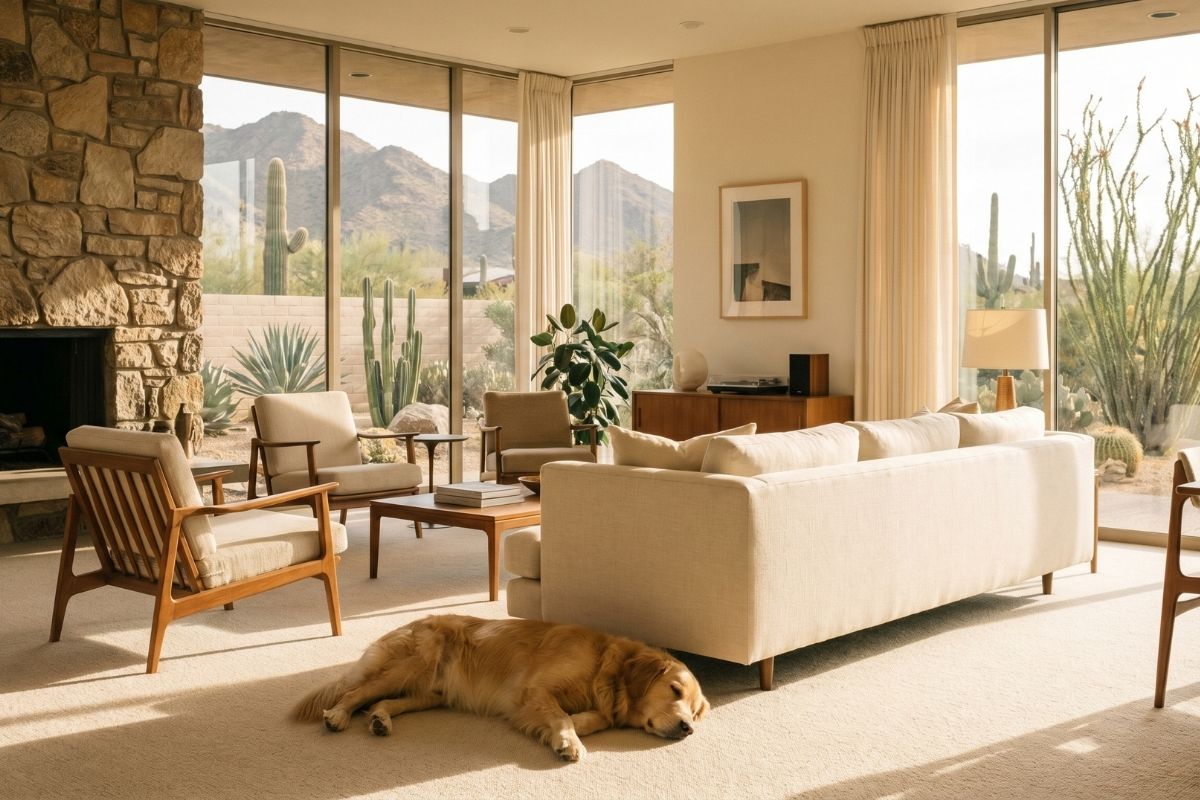

Professional carpet maintenance effectively neutralizes uric acid crystals, eliminates embedded dander, and removes abrasive desert dust, significantly extending the lifespan of flooring in homes with animals. By opting for a specialized Steam Carpet Cleaning Phoenix service that utilizes hot water extraction and enzymatic treatments, these deep cleaning processes break down the biological compounds that cause lingering odors and poor indoor air quality, ensuring a hygienic environment for both residents and their companions.
Key Takeaways
- Uric Acid Neutralization: Traditional detergents cannot break down the uric acid in animal urine; enzymatic treatments are required to permanently stop odors.
- Desert Dust Interactions: The fine particulate matter of the Sonoran Desert mixes with animal oils to create a highly abrasive paste that destroys carpet fibers.
- Allergen Reduction: Carpets act as massive air filters; deep extraction removes trapped dander, preventing it from circulating in the home’s HVAC system.
- Cleaning Frequency: The industry standard for households with multiple indoor animals is professional extraction every 6 to 12 months.
- Health Protection: Removing biological contaminants reduces the presence of harmful bacteria and improves respiratory health for vulnerable family members.
The Unique Challenge: Pets and the Phoenix Desert Climate
As we progress through 2026, the unique environmental conditions in Arizona continue to present distinct challenges for homeowners. According to the American Veterinary Medical Association (AVMA), over 66% of U.S. households own an animal companion, and a significant portion of these families reside in arid climates. In the Sonoran Desert, families must contend not only with standard dander and shedding but also with an exceptionally high volume of fine particulate dust.
Phoenix experiences over 300 days of sunshine annually. The extreme dry heat bakes volatile organic compounds (VOCs) and biological waste into carpet fibers much faster than in humid environments. When an animal tracks in microscopic dirt from the yard, those particles settle deep within the carpet pile. The natural oils secreted by a dog or cat’s skin bind with this desert sand, creating a sticky, abrasive residue. Every footstep grinds this residue against the synthetic fibers, acting like sandpaper that accelerates wear and tear. Understanding why vacuuming isn’t enough is critical for extending the life of your flooring investment.
The Biological Chemistry of Pet Urine in Carpets
One of the most persistent issues facing animal owners is the chemistry of urine accidents. Many homeowners mistakenly believe that blotting a fresh accident and applying standard household cleaners resolves the issue. However, animal urine is composed of three primary components: urea (a sticky substance), urochrome (the yellow pigment), and uric acid.
While DIY solutions can wash away the urochrome and urea, they cannot dissolve uric acid. As the moisture evaporates in the dry Arizona climate, uric acid forms microscopic crystals that bond tightly to the carpet backing and pad. These crystals can remain dormant for up to five years. Any introduction of moisture—even high ambient humidity during the monsoon season—reactivates the crystals, releasing potent ammonia gases back into the living space. This is precisely why removing carpet odors naturally requires specialized approaches that physically alter the chemical structure of the waste.
Indoor Air Quality and Allergen Retention
The Environmental Protection Agency (EPA) reports that indoor air environments can frequently be two to five times more polluted than outdoor air. For households with animals, a primary contributor to this indoor pollution is airborne dander—microscopic flecks of skin shed by cats, dogs, rodents, and birds.
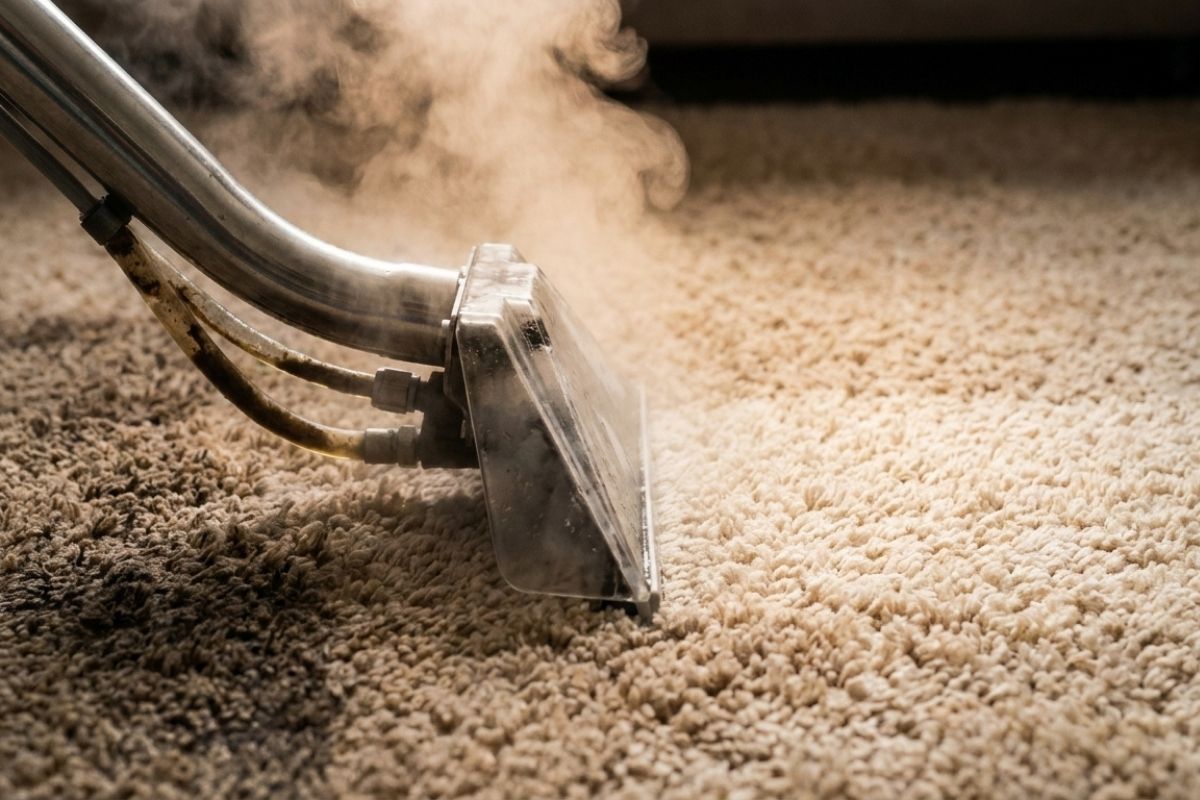
Carpets effectively function as the largest air filter in a home. They safely trap allergens, dust mites, and bacteria, preventing them from becoming airborne every time the HVAC system engages. However, like any filter, a carpet has a maximum capacity. According to consensus from the Institute of Inspection, Cleaning and Restoration Certification (IICRC), once a carpet is saturated with contaminants, simple foot traffic sends those allergens back into the breathing zone. Routine extraction empties this “filter,” which is directly linked to the health benefits of regular carpet cleaning. For families with asthma or allergies, keeping this filter clean is a medical necessity, not just a cosmetic preference.
Professional Hot Water Extraction vs. DIY Machines
Many hardware stores rent consumer-grade machines, marketing them as equivalent to professional services. However, the technical specifications reveal a massive disparity in performance. To truly sanitize flooring and protect your family, professional-grade equipment is mandatory.
| Feature | DIY Rental Machines | Professional Extraction |
|---|---|---|
| Water Temperature | Limited to domestic tap water (approx. 120°F) | Truck-mounted units heat water over 212°F |
| Suction Power (PSI) | Typically 20-40 PSI | Adjustable from 300 to 1000+ PSI |
| Stain Treatment | Generic foaming detergents that leave sticky residue | Targeted enzymatic digesters and pH neutralizers |
| Drying Time | 12 to 24+ hours (risk of mold growth) | 2 to 6 hours due to high-powered vacuum recovery |
Step-by-Step Guide: Managing Fresh Biological Spills
While scheduling regular maintenance is vital, knowing how to handle immediate accidents prevents permanent damage. If your animal has an accident, follow these specific steps to prevent common carpet stains from setting permanently.
- Act Immediately: The longer an alkaline liquid sits, the more it penetrates the protective coating of the fibers. Begin remediation within the first ten minutes if possible.
- Extract Moisture: Do not rub or scrub. Place highly absorbent, un-dyed paper towels or a thick white terry cloth over the area. Apply heavy downward pressure by standing on the towels to force the liquid upward.
- Rinse with Neutralizer: Mix a solution of equal parts white vinegar and distilled water. The slight acidity of the vinegar helps neutralize the ammonia in the urine. Pour a small amount over the affected area to dilute the remaining compounds.
- Extract Again: Use a wet/dry shop vacuum to pull the liquid out of the pad. If a wet vacuum is unavailable, repeat the blotting process with fresh, dry towels until no more moisture transfers.
- Avoid Heat: Never use a steam cleaner, hair dryer, or warm iron on a fresh biological stain. Heat permanently sets the protein chains into the carpet dyes.
Advanced Remediation: Subsurface Extraction
For severe cases where liquids have penetrated through the carpet backing, the underlying pad, and into the subfloor, traditional surface wanding is insufficient. In these scenarios, technicians utilize a process called subsurface extraction.
This technique involves flooding the targeted contamination zone with specialized oxidizing agents and enzymes. These solutions digest the organic material at a molecular level. Subsequently, a specialized heavy extraction tool—sometimes referred to as a water claw—is placed over the area. Using the massive suction power of a truck-mounted unit, the tool compresses the carpet and pad, pulling the dissolved contaminants out from the very bottom layer without requiring the physical removal or replacement of the flooring. Knowing how to efficiently eliminate pet stains and odors at the subfloor level is what separates professional remediation from cosmetic surface cleaning.
Determining Cleaning Frequency for Arizona Homes
How frequently should you schedule professional interventions? The answer depends heavily on your household composition. According to IICRC guidelines, the baseline recommendation for a standard home is an annual cleaning. However, the presence of indoor animals dramatically alters this timeline.
For a home with a single, short-haired animal, scheduling an appointment every 6 to 9 months is advisable. If your family includes multiple animals, large shedding breeds, or members with severe respiratory allergies, the recommended frequency increases to every 3 to 6 months. By maintaining a strict schedule, you actively protect the structural integrity of the fibers and ensure optimal indoor air quality. If you are unsure of your specific needs, reading more on how to clean your carpets in Arizona’s dry climate provides excellent contextual guidelines.
Proactive Care: Maintaining Floors Between Visits
Professional services form the foundation of carpet health, but daily habits dictate long-term success. Implementing a rigorous routine prevents the heavy accumulation of soil and oils.
First, invest in a high-quality vacuum cleaner equipped with a HEPA (High-Efficiency Particulate Air) filter. Vacuum high-traffic lanes daily and the entire house at least twice a week. Ensure the beater bar is set to the correct height—if it is too low, it will fray the synthetic yarns; if it is too high, it will fail to agitate the embedded grit.
Second, utilize heavy-duty entry mats at all exterior doors. The Sonoran Desert produces a highly alkaline dirt that wreaks havoc on flooring. By capturing this grit at the threshold, you drastically reduce the abrasive forces acting on your interior floors. Wiping your dog’s paws after walks is a simple yet profoundly effective method for maintaining pet-friendly floors year-round.
Conclusion
Navigating the intersection of desert living and animal ownership requires a strategic approach to home maintenance. By relying on professional hot water extraction, enzymatic odor neutralization, and routine subsurface care, Phoenix residents can successfully eradicate stubborn uric acid crystals, mitigate abrasive dust damage, and dramatically improve indoor air quality. Protecting your family’s health and your property’s value is an ongoing commitment, but with the right expertise, maintaining pristine floors is entirely achievable.
If you are struggling with persistent odors or heavily soiled traffic lanes, do not wait for the damage to become permanent. Contact our team today to schedule a comprehensive assessment and breathe easier in your own home.
Frequently Asked Questions
How long does it take for carpets to dry after professional extraction?
When performed correctly using high-powered truck-mounted equipment, carpets typically dry within 2 to 6 hours. The extremely low humidity and warm temperatures of the Phoenix climate naturally accelerate this evaporation process.
Will hot water extraction ruin the carpet backing or cause mold?
No, professional hot water extraction will not cause mold or damage the backing when executed by certified technicians. Mold requires constant moisture for 24 to 48 hours to develop, and professional equipment extracts up to 95% of the water immediately.
Are enzymatic cleaners safe for cats and dogs to walk on?
Yes, commercial enzymatic cleaners use naturally occurring biological agents to consume organic waste and are entirely non-toxic. Once the area has dried completely, it is 100% safe for both children and animals to resume normal activities.
Why does the urine smell sometimes get worse immediately after cleaning?
If amateur or DIY methods are used without enzymes, the introduction of warm water reactivates dormant uric acid crystals in the pad, releasing trapped ammonia gas. Professional treatments prevent this by chemically digesting the crystals during the cleaning process.
Can UV light reveal hidden biological stains?
Yes, professionals utilize specialized ultraviolet lights and moisture probes to locate invisible contamination zones. Phosphorus compounds in animal urine naturally fluoresce under UV wavelengths, allowing technicians to target treatments precisely.
References
- American Veterinary Medical Association (AVMA) – Data on domestic animal ownership statistics and household demographics.
- Environmental Protection Agency (EPA) – Research and guidelines regarding indoor air quality, particulate matter, and biological pollutants.
- Institute of Inspection, Cleaning and Restoration Certification (IICRC) – Industry consensus standards for floor covering maintenance and textile remediation.
- Asthma and Allergy Foundation of America (AAFA) – Information concerning dander filtration and respiratory health management in residential environments.
