

Phoenix homeowners face unique environmental challenges that take a heavy toll on residential flooring. From monsoon season humidity spikes to the fine, alkaline dust of summer haboobs, maintaining pristine floors in the Valley of the Sun requires a specific approach. If you are wondering how to best maintain your home’s flooring in 2026, the most definitive answers come down to proper frequency, advanced extraction methods, and understanding the unique chemistry of desert soils. Investing in a professional Steam Carpet Cleaning Phoenix service remains the most effective method to remove abrasive particulate matter, eradicate pet odors, and improve overall indoor air quality in arid climates.
Key Takeaways
- Frequency matters: Industry standards dictate professional cleaning every 12 to 18 months, but Phoenix homes may require service every 6 to 9 months due to regional dust.
- Faster drying times: Thanks to Arizona’s naturally low humidity, professionally cleaned floors typically dry within 2 to 4 hours with proper airflow.
- Pet stains require specific chemistry: Desert heat bakes pet accidents into fibers; neutralizing them requires targeted enzymatic treatments rather than standard soapy detergents.
- DIY machines leave residue: Rented equipment often lacks the suction power to remove chemical residues, which ultimately attracts more dirt to your floors.
- Allergy reduction is scientifically proven: Deep cleaning acts as a filter reset for your home, removing up to 98% of airborne allergens trapped in the fibers.
Question 1: How Often Should I Clean My Carpets in the Phoenix Climate?
One of the most frequent inquiries from local residents involves scheduling. The intense desert environment significantly alters the standard timeline for floor maintenance. While national guidelines often suggest a broad timeline, the reality of living in a dusty, arid environment necessitates a more aggressive schedule. The fine particulate matter (PM10) common in Arizona dust storms easily infiltrates homes, settling deep into synthetic fibers where standard vacuums cannot reach.
According to the Institute of Inspection, Cleaning and Restoration Certification (IICRC), the governing body for the cleaning industry, residential carpets should be professionally cleaned every 12 to 18 months. However, their standards also note that homes subject to high dust environments, severe weather, or high traffic require accelerated schedules. In Phoenix, waiting 18 months can lead to irreversible wear. As abrasive desert sand is ground into the flooring by foot traffic, it physically cuts and frays the synthetic yarns, leading to permanent “traffic lanes” that cannot be reversed by any amount of cleaning.
For most local homeowners, establishing a routine frequency of cleaning in Arizona’s dry climate means booking a professional service every 6 to 9 months. If you have multiple pets, indoor-outdoor children, or a household member with severe respiratory issues, a biannual schedule (every 6 months) is highly recommended to mitigate the buildup of alkaline desert soils.
Question 2: What is the Best Method to Remove Pet Stains and Odors?
Pet ownership in a desert climate presents unique challenges for flooring. When temperatures soar well over 100 degrees for months at a time, any biological accidents that occur indoors can quickly bond with carpet backing and the underlying padding. Standard household cleaners rely on high pH soaps that temporarily mask odors but fail to break down the uric acid crystals left behind by pet accidents.
The science of odor removal relies on biological eradication. When pet urine dries in your flooring, it off-gasses ammonia, creating that distinct, lingering smell. As the Environmental Protection Agency (EPA) notes in their indoor air quality guidelines, biological pollutants must be neutralized at the source to prevent respiratory irritation. Professional technicians utilize advanced enzymatic cleaners that literally digest the proteins and uric acid crystals. These enzymes are living bacteria that consume the odor-causing organic matter until it is entirely eradicated.
If you are struggling with managing pet stains and odors, it is critical to avoid harsh retail stain removers. These often bleach the fibers or push the urine deeper into the padding. A professional technician will use a specialized subsurface extraction tool—often referred to as a “water claw”—to flush the padding beneath the carpet, pulling the contaminants completely out of the home rather than just treating the surface.
Question 3: How Long Does Carpet Take to Dry in Arizona?
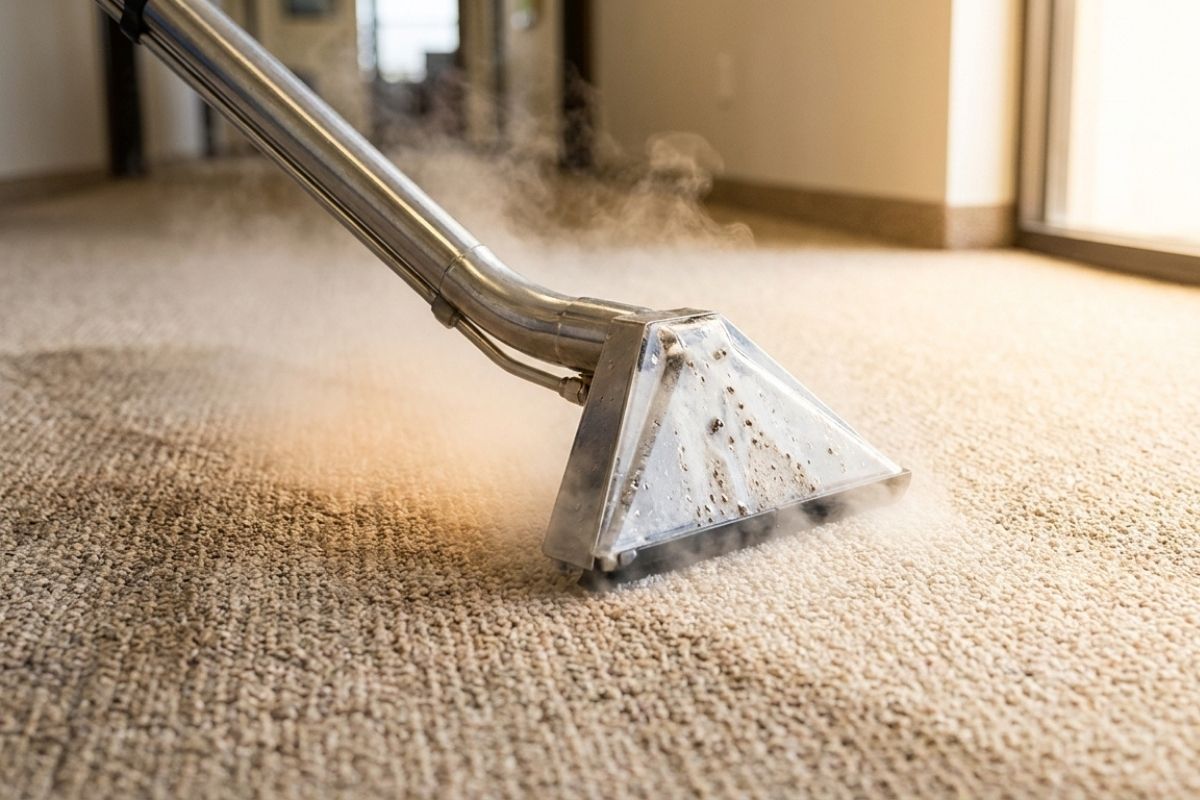
Many homeowners hesitate to book a cleaning appointment because they fear their floors will be wet for days, leading to mold growth or musty odors. In more humid regions of the country, this is a valid concern. However, the arid climate of the Sonoran Desert provides a significant advantage for hot water extraction (commonly known as steam cleaning).
During a standard professional cleaning, water is heated to roughly 220°F (104°C) and injected into the fibers at high pressure, instantly followed by immense vacuum suction. Modern truck-mounted extraction systems recover up to 95% of the moisture introduced during the cleaning process. Because the ambient indoor humidity in a typical air-conditioned Phoenix home in 2026 hovers between 25% and 35%, evaporation occurs incredibly fast.
Under normal conditions, a professionally cleaned room in Arizona will dry completely in 2 to 4 hours. You can accelerate this process by leaving ceiling fans on and maintaining your HVAC thermostat at a cool 72°F to 74°F. Understanding the benefits of professional steam cleaning involves recognizing that the brief drying period is a minor inconvenience compared to the massive hygienic benefits of a deep, restorative flush of your home’s textiles.
Question 4: Can Professional Cleaning Actually Reduce Desert Allergies?
The short answer is an emphatic yes. The American Southwest is notorious for its challenging allergy seasons, featuring high pollen counts from Palo Verde trees, mesquite, and ragweed, combined with year-round dust. Your flooring acts as the largest air filter in your home. Every time airborne particulates settle, they are trapped by the synthetic fibers. This is a positive feature—until that “filter” becomes completely full.
Research from the Asthma and Allergy Foundation of America (AAFA) indicates that indoor air quality can be compromised when flooring is not regularly maintained, leading to a spike in respiratory symptoms. Once the carpet is saturated with allergens, simple acts like walking across the room or children playing on the floor will launch microscopic dust mites, pet dander, and pollen back into the breathing zone.
As industry experts emphasize, vacuuming alone is insufficient. While a HEPA-filtered vacuum removes loose surface soils, it lacks the mechanical action required to dislodge sticky, oily residues that bind allergens to the fibers. Hot water extraction breaks these bonds, providing a critical reset for your home’s air quality. For those looking at reducing seasonal allergies through floor cleaning, scheduling a professional service right before the spring bloom and immediately following the late-summer monsoon season offers the highest level of indoor respiratory relief.
Question 5: Why Is DIY Carpet Cleaning a Bad Idea Here?
With the rising cost of home ownership in 2026, many residents are tempted to rent a machine from the local grocery store or hardware shop. While these machines seem cost-effective, they frequently cause more harm than good, particularly in arid climates where the soil composition is highly alkaline.
The primary issue with DIY extraction units is their severe lack of vacuum power and water temperature capability. Professional truck-mounted units generate upwards of 15-20 inches of mercury lift (vacuum power) and maintain consistent temperatures over 200°F. A rented portable unit simply cannot match this physics. As a result, homeowners often over-wet their floors and leave behind large amounts of soapy detergent residue.
Detergent residue is sticky. In a dusty environment like Phoenix, this sticky residue acts as a magnet for new dirt. Within weeks of a DIY clean, homeowners often notice their floors look worse than before they started—a phenomenon known in the industry as “rapid resoiling.” Learning about the dangers of DIY carpet cleaning is crucial to protecting your warranty, as most major manufacturers explicitly state that using rented machines can void your warranty coverage.
Step-by-Step: How to Prepare for Your Professional Cleaning Appointment
To ensure you get the absolute best results from your service technician, a minor amount of preparation goes a long way. Properly staging your home allows the professionals to focus entirely on soil extraction rather than moving clutter.
- Clear the floor of small items: Remove shoes, toys, floor lamps, and lightweight accent furniture from the areas being serviced.
- Secure your pets: The front door will likely be ajar to accommodate the vacuum hoses. Secure cats and dogs in a bedroom, bathroom, or backyard to prevent escapes and minimize their stress from the noise.
- Pin up long draperies: If you have curtains that touch the floor, pin them up at least six inches to prevent them from absorbing moisture.
- Pre-vacuum (optional but helpful): While most professionals perform a pre-vacuuming step, running your own vacuum beforehand removes the top layer of loose hair and debris, allowing the technician’s chemicals to penetrate deeper into the soiled fibers.
- Point out specific stains: Walk through the home with your technician before they begin, highlighting any pet accidents, coffee spills, or ink stains so they can apply the appropriate pre-treatments.
Taking these simple steps to prepare your home for a professional carpet cleaning ensures the job is done efficiently and thoroughly.
Comparison of Common Cleaning Methods
Homeowners are often confused by the various terminologies used by cleaning companies. Understanding the differences ensures you select the right method for your specific needs. Here is a breakdown of the three primary methodologies utilized in 2026:
| Methodology | Process Description | Best Use Case |
|---|---|---|
| Hot Water Extraction (Steam Cleaning) | Injects highly pressurized hot water and cleaning agents into the pile, immediately extracted via powerful vacuum. | Deep soil removal, pet stains, allergen reduction, and restorative residential cleaning. |
| Encapsulation (Dry Cleaning) | Applies a synthetic polymer that crystallizes soil particles, which are then vacuumed away after drying. | Commercial properties, low-pile office floors requiring zero downtime. |
| Bonnet Cleaning | Involves a rotary floor machine with an absorbent pad that spins across the surface to absorb dirt. | Light surface maintenance in hotels or high-traffic commercial spaces. Not recommended for residential deep pile. |
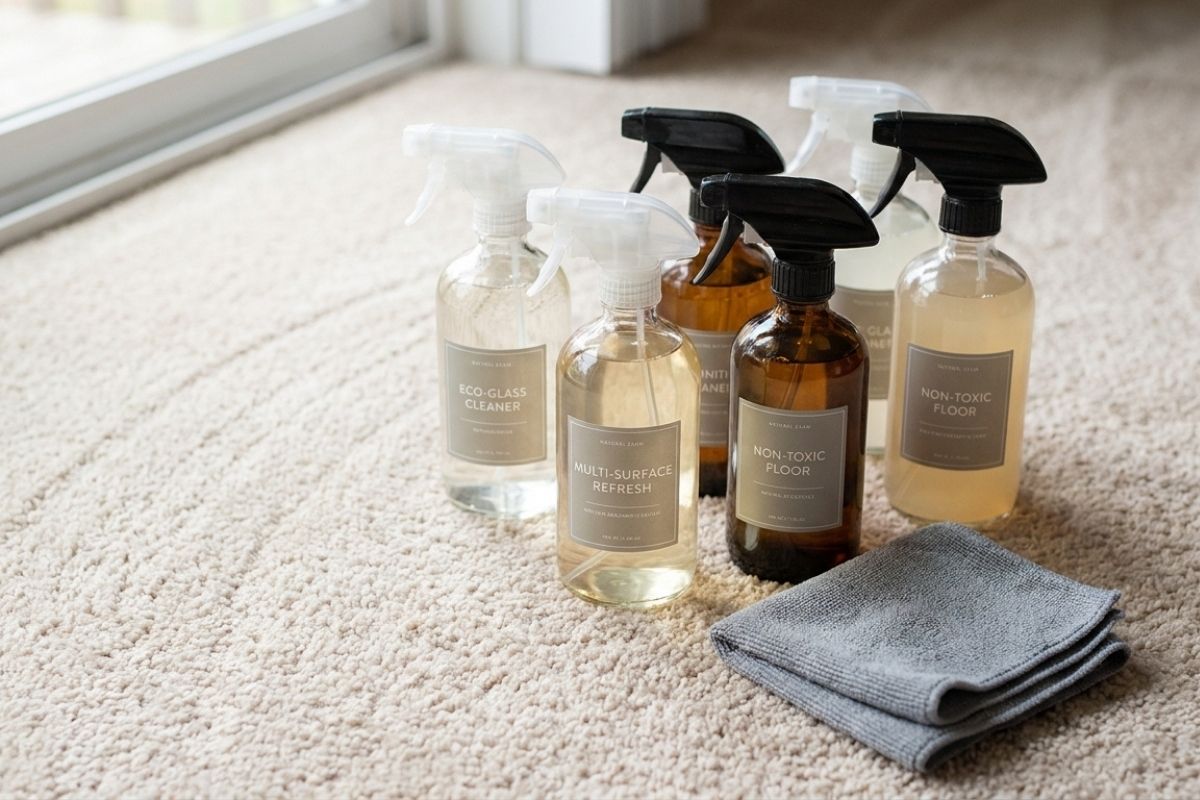
For almost all residential applications in Phoenix, hot water extraction is the undisputed superior choice. In fact, most major mills require hot water extraction every 12 to 24 months to keep their warranties valid. For households sensitive to harsh chemicals, there are excellent eco-friendly carpet cleaning options that utilize plant-based surfactants during the hot water extraction process.
Frequently Asked Questions
Can professional cleaning remove old, set-in stains?
In many cases, yes. Professional technicians carry a diverse arsenal of pH-specific spotters. While some stains like artificial dyes (red wine, Kool-Aid) or bleach spots may be permanent without localized dyeing or patching, most organic and synthetic soils can be heavily reduced or fully eliminated, even after months of setting in.
Is the cleaning process safe for my children and pets?
Absolutely. Professional, reputable companies in 2026 utilize VOC-compliant (Volatile Organic Compound), eco-friendly solutions that are completely safe once dry. If you have extreme sensitivities, simply request a green, hypoallergenic pretreatment.
Will frequent cleaning wear out my carpet faster?
This is a common myth. The exact opposite is true. Allowing abrasive dirt and sand to remain in the fibers acts like sandpaper against the synthetic yarns every time you walk on them. Regular, professional extraction removes these abrasive soils, dramatically extending the lifespan of your flooring.
Do I need to move all my furniture?
No. Most professional technicians clean around heavy, immovable furniture like entertainment centers, grand pianos, and massive sectional sofas. They will happily move lighter items (chairs, small tables) and place foam blocks or plastic tabs under the legs to protect both the furniture and the damp floor while it dries.
Why does my carpet have dark lines around the baseboards?
This phenomenon is called “filtration soiling.” It occurs when air is forced into the gaps between the floor and the baseboards, acting as a filter that traps microscopic dust and smog. It is very common in homes with HVAC systems. It is stubborn to remove, but professionals use specialized edging tools and gels to significantly lighten these dark bands.
What are the first indications that I need to schedule a service?
Beyond the calendar timeline, look out for distinct signs your carpets need deep cleaning. These include a sticky or crunchy texture, localized dark spots in high-traffic areas, lingering odors when you enter the home, or a sudden increase in family allergy symptoms indoors.
Conclusion
Maintaining a healthy, beautiful home in the Phoenix area requires a proactive approach to flooring care. The combination of intense heat, microscopic desert dust, and tight indoor environments makes regular maintenance non-negotiable for long-term durability. By relying on professional hot water extraction, addressing pet stains with enzymatic science, and adhering to an appropriate 6-to-12-month schedule, you can protect your investment and dramatically improve the indoor air quality for your family. Don’t wait until irreversible traffic lanes have formed or allergies become unmanageable.
If you are ready to rejuvenate your living space and extract years of trapped desert soil, contact us today to schedule your professional consultation and cleaning appointment.
References
- Environmental Protection Agency (EPA) – Indoor Air Quality Standards
- Institute of Inspection, Cleaning and Restoration Certification (IICRC) – S100 Standard for Textile Floor Covering Cleaning
- Asthma and Allergy Foundation of America (AAFA) – Indoor Allergens and Floor Maintenance
- American Lung Association – Health Effects of Indoor Particulate Matter
