
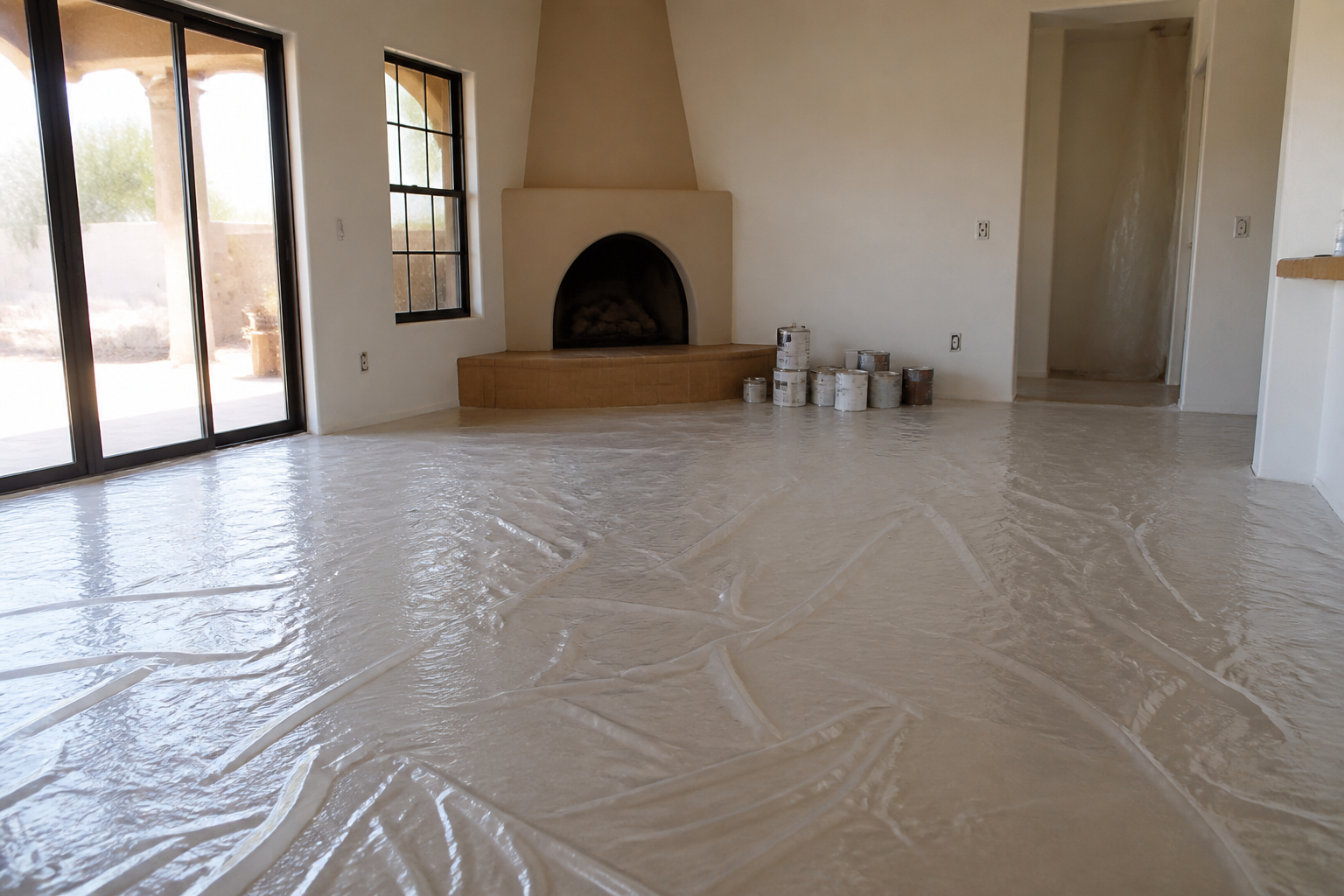

Knowing how to protect carpet during remodeling Phoenix projects can help homeowners keep existing flooring in better condition while walls, cabinets, or fixtures are being replaced. Remodeling generates drywall dust, sawdust, paint splatter, and foot traffic from workers and tools. In the Phoenix metro area, fine desert soil can also be tracked inside when doors stay open for material deliveries. Carpet fibers can trap that debris deep in the pile, which makes post-project cleanup more involved than a routine vacuum pass.
This guide covers practical steps before demolition starts, during active construction, and after the work is finished. It also explains when professional Steam Carpet Cleaning Phoenix can help remove embedded particles once protection measures are no longer needed. These steps are designed to reduce damage and staining; they do not replace careful planning with your contractor about which rooms stay carpeted throughout the job.
Key Takeaways
- Remodeling dust and debris can settle into carpet fibers and padding, especially in high-traffic paths between work zones and exits.
- Physical barriers such as carpet film, heavy-duty plastic, and taped seams can help shield pile from spills, scratches, and tracked-in grit.
- Controlling airflow and limiting open-door time can reduce how much Phoenix-area desert dust enters living areas during construction.
- Daily cleanup of protected zones and prompt removal of adhesive tapes or films helps avoid residue that bonds to fibers.
- Professional carpet cleaning after the project can address fine particles that household vacuums may not fully extract from deep pile.
Why Remodeling Puts Phoenix Carpets at Risk
Interior remodeling disturbs materials that do not belong on soft flooring. Drywall sanding creates fine powder that can travel through hallways. Wood or tile cuts produce sharper grit. Paint, caulk, and stain drips can land on carpet before anyone notices. Even when work is confined to one room, contractors often walk through carpeted areas carrying tools, extension cords, and supply boxes.
Phoenix homes face an added factor: desert soil is fine and dry for much of the year. When entry doors remain open during deliveries or when workers move between a driveway and an interior work zone, that soil can combine with construction dust inside the home. Carpet acts as a filter, capturing particles in the yarn structure. The U.S. Environmental Protection Agency (EPA) notes that dust in homes can carry allergens and other particles; while that guidance applies broadly to indoor environments, it supports the idea that dust allowed to accumulate in carpet during a remodel is worth addressing rather than ignoring.
Padding beneath carpet can also hold moisture if wet materials soak through protective layers. Planning for both surface debris and occasional spills helps you avoid compounding damage.
Plan Protection Before Demolition Starts
Protection works best when it is part of the pre-construction conversation, not an afterthought once dust is already airborne. Walk the route workers will use from the entry point to the job site. Note every carpeted section on that path, including corners where hoses or cables may drag.
Discuss expectations with your contractor in writing when possible:
- Which rooms will remain carpeted during the project versus temporarily covered or replaced later.
- Where staging of tools, lumber, or fixtures will occur.
- Whether shoe covers, boot removal, or designated walkway materials are required inside the home.
- How daily cleanup and end-of-day vacuuming will be handled in protected areas.
If you are living in the home during the remodel, identify one clean zone for daily use and keep protection materials stocked so damaged film or plastic can be replaced without delay.
Physical Barriers That Shield Carpet Pile
Surface coverings are the most direct way to protect carpet during remodeling Phoenix homeowners undertake. The right product depends on how long protection must last and how much foot traffic or wheeled equipment will cross the area.
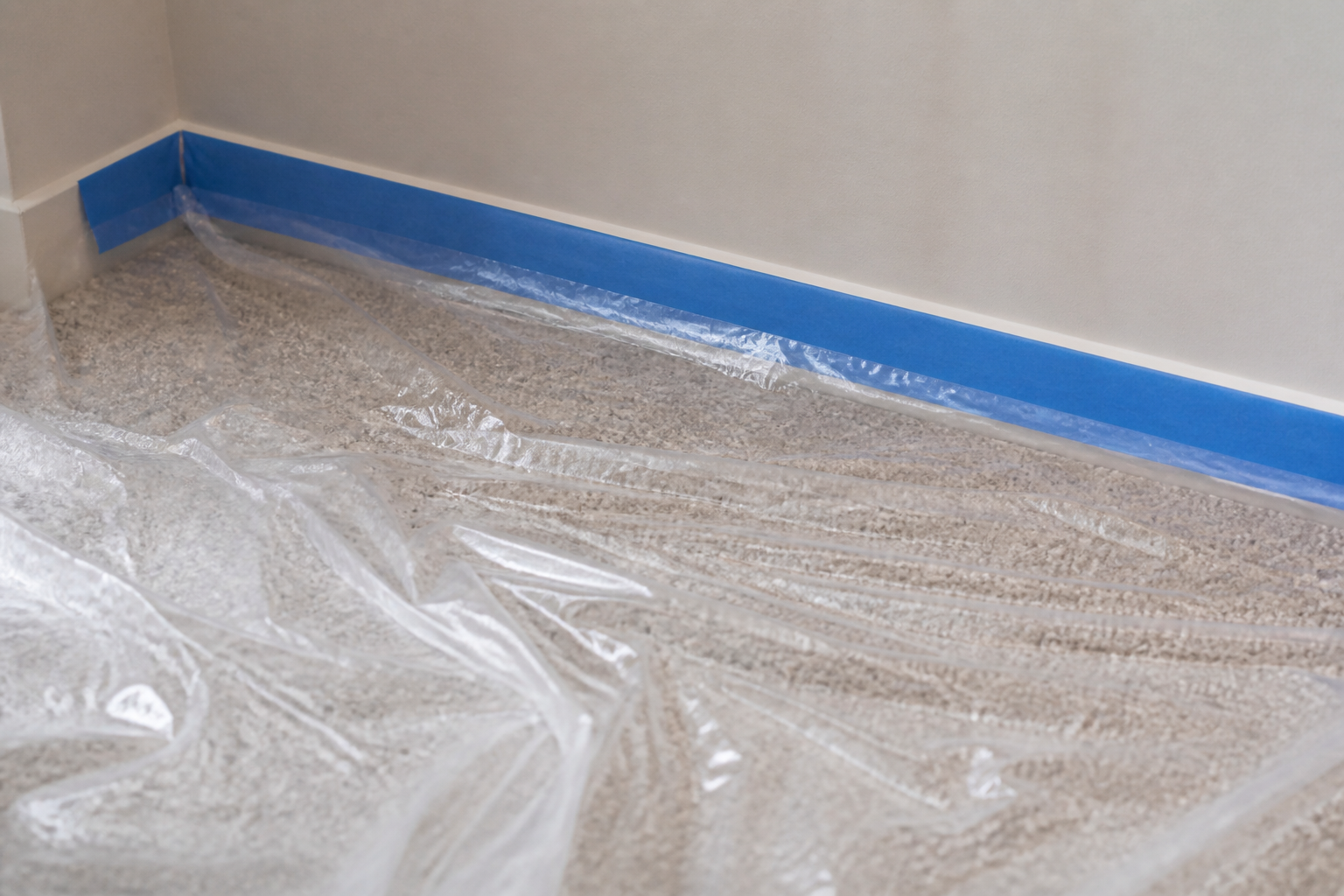
Carpet protection film
Self-adhesive carpet film is designed for short- to medium-term use on residential pile. It sticks to fibers without leaving residue when removed within the timeframe specified by the manufacturer. Film works well for hallways and doorways where workers pass repeatedly. Replace sections that tear or curl at edges so grit does not grind through gaps.
Heavy-duty plastic sheeting and drop cloths
Thick plastic taped at seams can protect larger carpeted areas during painting or overhead work. Canvas or synthetic drop cloths add a layer over plastic in zones where tools might puncture thin material. Tape seams to baseboards or protective boards rather than directly to carpet when you can, since some tapes can pull fibers or leave adhesive if left too long in heat. Phoenix summer temperatures can soften adhesives on some products, so check labels for temperature guidance.
Ram board and temporary hard surfaces
For longer projects or areas where dollies and heavy boxes move daily, rigid temporary floor protection spreads weight and reduces crushing in carpet pile. These products cost more than film but can be appropriate for extended work in carpeted rooms that are not being replaced.
Furniture and fixture planning
Move upholstered furniture and area rugs out of active zones when possible. If heavy pieces must stay on carpet, use furniture sliders or plywood panels under legs to limit indentations and tearing from shifting loads.
Containment, Ventilation, and Dust Control
Covering carpet addresses what lands on the surface. Containment addresses how much dust reaches those surfaces in the first place.
- Zip walls or plastic barriers: Seal door openings to work areas with plastic sheeting and tape so dust stays in the construction zone.
- Negative air or fan placement: Follow your contractor’s ventilation plan. Directing airflow toward an exterior exhaust can reduce dust migration when equipment is used appropriately for the task.
- HVAC awareness: Return vents in or near work zones can pull drywall dust into duct systems and redistribute it onto carpet elsewhere. Covering registers temporarily during heavy sanding is a common jobsite practice; confirm who handles that step.
- Door management: Limit how long exterior doors stay open during material carry-in. A mat outside plus a shoe-change policy at the entry can reduce desert soil tracked onto protected carpet.
For context on how dust interacts with carpet in the region, see how carpet cleaning relates to Phoenix dust and allergens. That background can help you decide how aggressively to contain dust during a remodel.
Foot Traffic Routes and Daily Maintenance
Even good barriers fail when traffic patterns change without updating protection. Mark the approved path with visible floor covering and keep it clear of loose nails, screws, or scrap that can poke through plastic.
Daily habits during construction:
- Inspect film and tape each morning for tears or lifted edges.
- Vacuum unprotected carpet edges and any zones where protection was removed for access.
- Spot-clean paint or caulk drips before they cure when safe to do so without spreading the stain.
- Empty vacuum cleaners used for fine dust outdoors so collected particles are not released back inside.
The Carpet and Rug Institute (CRI) provides general guidance on routine carpet care, including vacuuming practices. During remodeling, more frequent vacuuming of transition areas can help limit how far fine dust migrates into untreated rooms.
After the Project: Removing Protection and Cleaning Deep Dust
When construction ends, remove adhesive films and tapes according to product directions. Pull slowly and at low angles to reduce fiber disturbance. If residue remains, follow manufacturer guidance for safe removal; avoid harsh solvents that can discolor carpet without testing in a hidden area first.
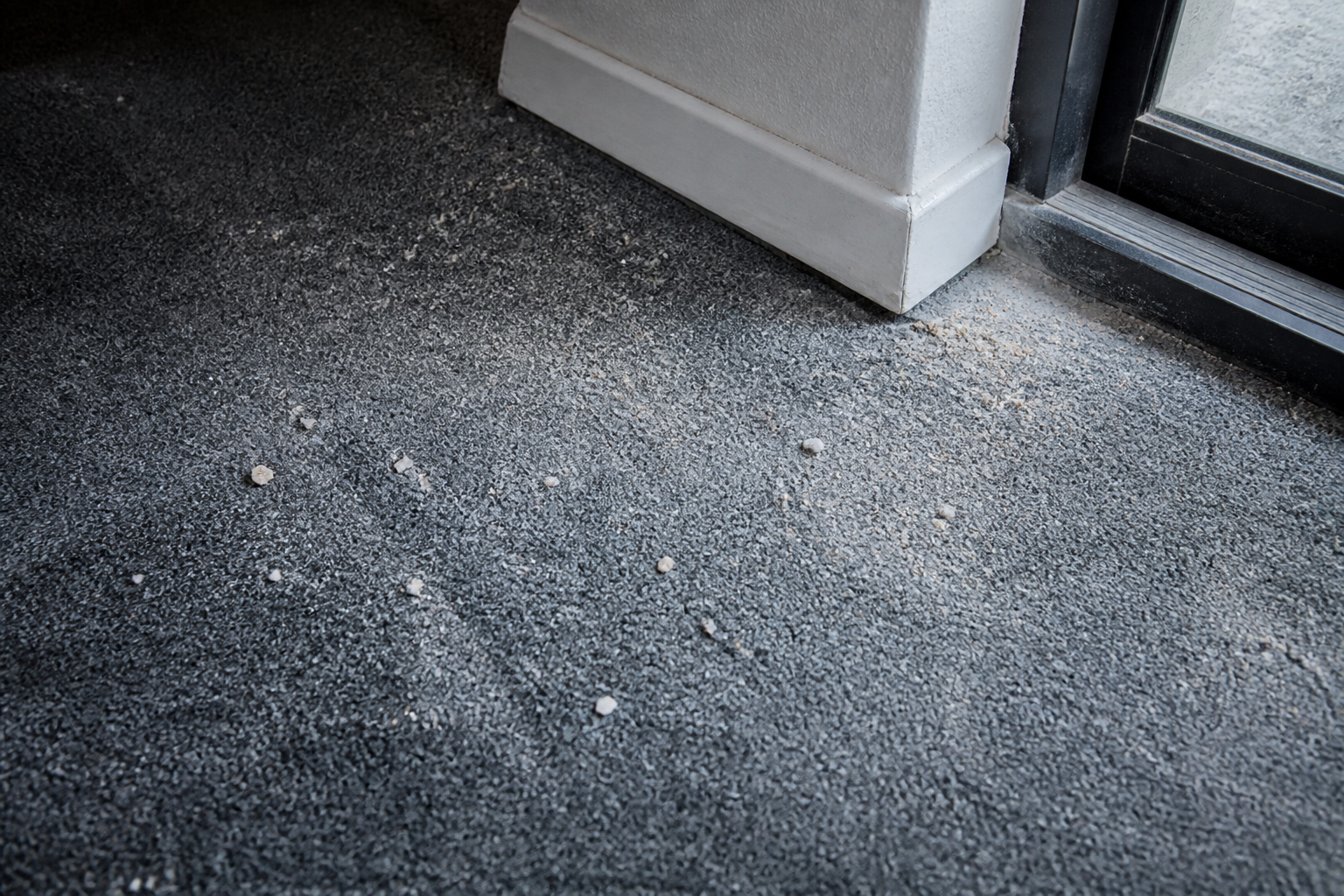
Post-remodel vacuuming with a vacuum that has strong suction and a clean filter is a sensible first step. Fine drywall and silica-type dust can work deep into pile, especially if protection slipped or foot traffic crossed unprotected sections. Embedded desert soil adds abrasive grit that can contribute to visible wear if left in place.
Professional cleaning can extract soil that household equipment does not reach. Barefoot Clean Floors offers eco-friendly, non-toxic carpet cleaning for residential and commercial clients in Phoenix. Scheduling Steam Carpet Cleaning Phoenix after major remodeling can help address accumulated dust before you replace furniture and resume normal use. For soil specific to the region, guidance on Arizona desert dirt in carpet fibers may also be useful when evaluating how much cleaning your carpets need.
Frequently Asked Questions
Should I remove carpet before a major remodel?
That depends on the scope of work and whether carpet in affected rooms will be replaced anyway. If carpet will stay, protection and containment are usually more practical than removal and reinstallation. Discuss floor plans with your contractor before demolition.
How long can carpet protection film stay down?
Follow the manufacturer’s stated limit. Leaving adhesive film too long, especially in hot conditions common in Phoenix summers, can make removal harder and increase the chance of residue. Replace damaged sections during the project rather than waiting until the end.
Will plastic sheeting alone stop all remodeling dust?
No single method stops all dust migration. Plastic on carpet helps protect the surface, but airborne particles can still settle if containment and HVAC steps are skipped. Combining surface protection with sealed work zones is more effective than either step alone.
Can I vacuum construction dust myself after the remodel?
Yes, vacuuming is a reasonable first step. Very fine dust may require multiple passes and filter maintenance on the vacuum. If odors, visible staining, or persistent dust remain after thorough vacuuming, professional extraction cleaning may help.
When should I schedule professional carpet cleaning?
Many homeowners schedule cleaning after protection is removed, final punch-list work is done, and dust-generating tasks are complete. That timing helps avoid re-soiling freshly cleaned carpet during last-minute contractor visits.
Conclusion
Steps to protect carpet during remodeling Phoenix projects include planning traffic routes, using appropriate film or rigid coverings, containing work zones, and maintaining protected areas daily. Desert dust and construction debris can combine to create stubborn soil in carpet pile, so post-project cleaning deserves the same attention as pre-project protection. For eco-friendly carpet cleaning in the Phoenix area, contact Barefoot Clean Floors at (602) 603-4781.
References
- U.S. Environmental Protection Agency — Indoor Air Quality (IAQ) — general information on indoor particles and household dust.
- Carpet and Rug Institute — Carpet Care and Cleaning — industry guidance on routine vacuuming and maintenance.
