
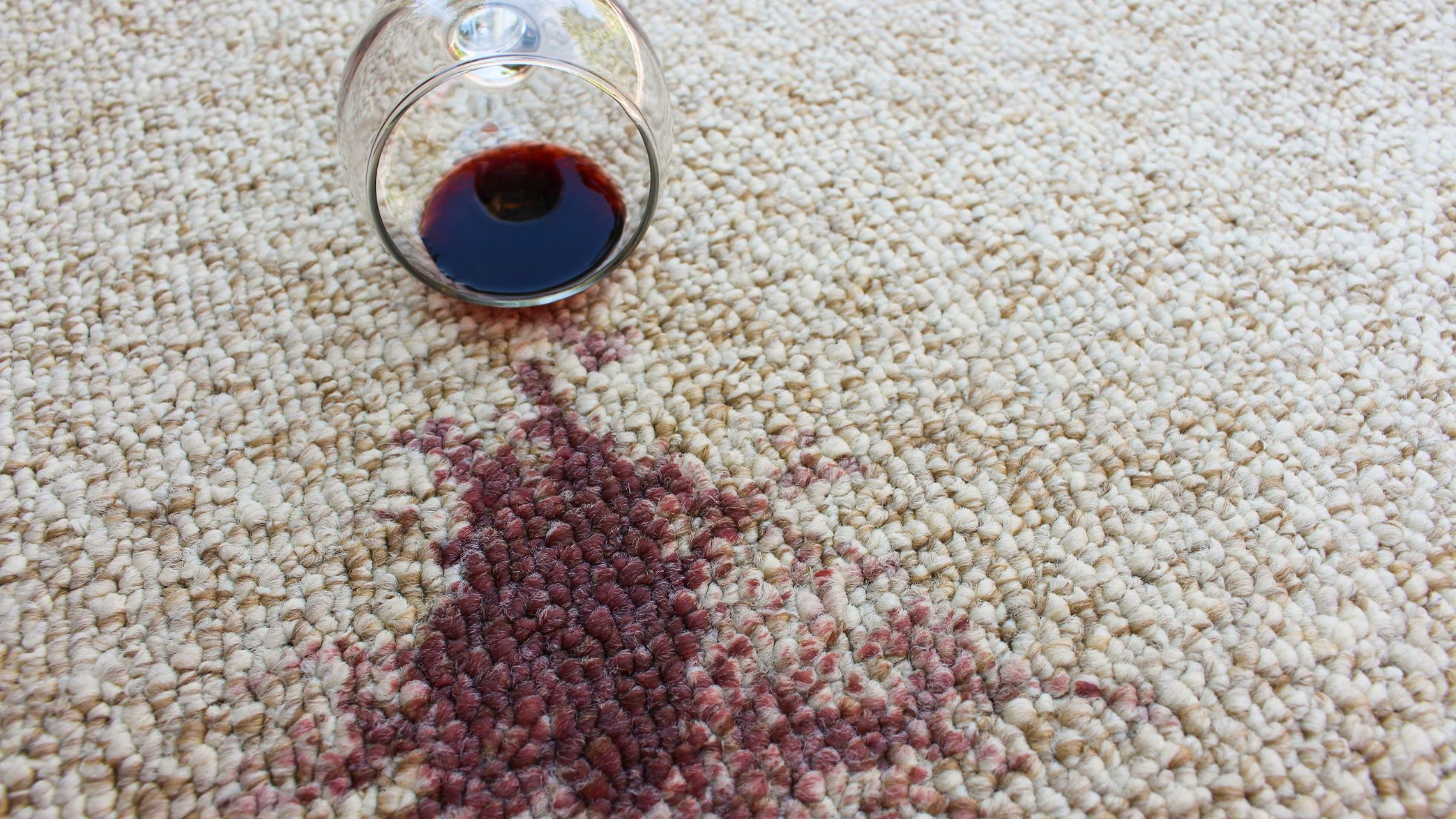

A glass of red wine crashes onto your living room carpet during a Phoenix summer party, and you have less than 30 minutes before Arizona’s dry heat permanently sets the stain into the fibers. Phoenix homeowners face unique carpet stain challenges that generic DIY advice doesn’t address—our desert climate’s 10-30% humidity causes stains to set 2-3 times faster than humid regions, while monsoon dust storms embed fine particles that complicate removal. Whether dealing with wine from entertaining guests, ink from home offices, or grease from kitchen accidents, knowing safe removal techniques that won’t damage carpet or harm children and pets becomes critical for Arizona families.
All service timelines and pricing ranges are provided for general information only. Actual service duration and costs will depend on the specific cleaning needs, surface condition, square footage, and agreed-upon scope of services as set forth in the written service agreement.
Key Information
Phoenix’s dry desert climate gives homeowners approximately 30-45 minutes to treat fresh carpet stains before they permanently bond with fibers—significantly faster than the 1-2 hours available in humid regions. Eco-friendly DIY methods using baking soda, white vinegar, and mild dish soap provide safe, effective treatment for fresh stains without harsh chemical exposure to families. However, stains older than one hour, areas larger than two square feet, or failed DIY attempts require IICRC-certified professional extraction to prevent permanent damage. Barefoot Clean Floors’ trained technicians achieve 85-95% stain removal success using commercial equipment and EPA-approved non-toxic solutions—protecting carpet investments while maintaining the safe environment Phoenix families deserve.
Overview
This comprehensive guide from Phoenix’s certified cleaning professionals addresses Arizona-specific challenges that dramatically affect stain removal success: extreme heat accelerates stain oxidation, dust storms introduce fine particulates that push contaminants deeper into carpet backing, and year-round allergen environments make proper extraction critical for indoor air quality. Homeowners and property managers will discover eco-friendly stain removal methods using household products that meet professional standards, understand Phoenix’s unique 30-minute stain-setting timeline, and learn critical decision points where DIY attempts risk permanent damage. This resource serves both immediate problem-solving needs and long-term carpet maintenance planning for residential and commercial properties throughout Greater Phoenix Metro Area.
Understanding Carpet Stains in Phoenix’s Unique Desert Climate
Phoenix’s environmental conditions create carpet stain challenges that national cleaning advice fails to address. Arizona’s 10-30% humidity and temperatures reaching 90-115°F cause liquid stains to set in 30-45 minutes versus 1-2 hours in humid climates, according to Phoenix carpet cleaning specialists. This accelerated timeline requires immediate action that many homeowners don’t realize until permanent damage occurs.
The 30-Minute Rule: Stain Setting Speed in Arizona’s Dry Heat
Low humidity accelerates water evaporation, concentrating stain compounds into fiber cores where surface cleaning cannot reach. Heat above 90°F causes protein-based stains—including wine tannins—to bond faster with carpet fibers through a process called oxidation. Fresh stains treated within 0-15 minutes show 85% DIY success rates, while damp stains at 15-45 minutes drop to 40% success, and dry stains beyond 45 minutes typically require professional extraction for effective removal.
Temperature impact becomes especially significant during Phoenix summers when indoor carpets can reach 85-95°F even with air conditioning. At these temperatures, wine, ink, and grease compounds chemically bond with synthetic carpet fibers much faster than the national average timelines most DIY guides reference.
How Phoenix Dust Storms Complicate Carpet Stain Removal
Arizona’s monsoon season from June through September brings 15-20 haboob dust storm events annually to Phoenix metro area. These storms introduce fine particulates measuring 2.5-10 microns that embed into wet carpet fibers, creating mud-like compounds that complicate simple stain removal. According to indoor air quality research, fine dust particles penetrate deep into carpet backing where consumer vacuums and DIY spot treatments cannot effectively reach.
If homeowners attempt stain treatment immediately after dust storms without thorough vacuuming first, they essentially create a mud compound by mixing dust with cleaning solutions. This drives particulates deeper into carpet structure, making professional extraction the only effective removal method. Phoenix’s unique combination of dust storms and stain emergencies requires specialized knowledge that certified cleaning technicians possess through regional training and experience.
Allergen Concerns: Why Phoenix Carpets Need Deeper Cleaning
The American Lung Association confirms that carpets trap dust mites, pet dander, mold spores, particle pollution, and pesticides in fiber structures. Phoenix-specific allergen load increases 2-4 times compared to humid climates due to constant desert dust infiltration and year-round allergen season. Scientific studies demonstrate that DIY surface cleaning removes only 15-30% of embedded allergens, while professional hot water extraction removes 70-85% by reaching carpet backing layers.
For Phoenix families dealing with asthma or allergies, understanding this limitation becomes critical. Spot treatment addresses visible stains but doesn’t resolve the deeper allergen accumulation that affects indoor air quality. Professional carpet cleaning services using truck-mounted extraction equipment provide health benefits beyond stain removal—a factor many homeowners don’t consider when choosing between DIY and professional intervention.
Safe DIY Wine Stain Removal: Eco-Friendly Methods for Phoenix Families
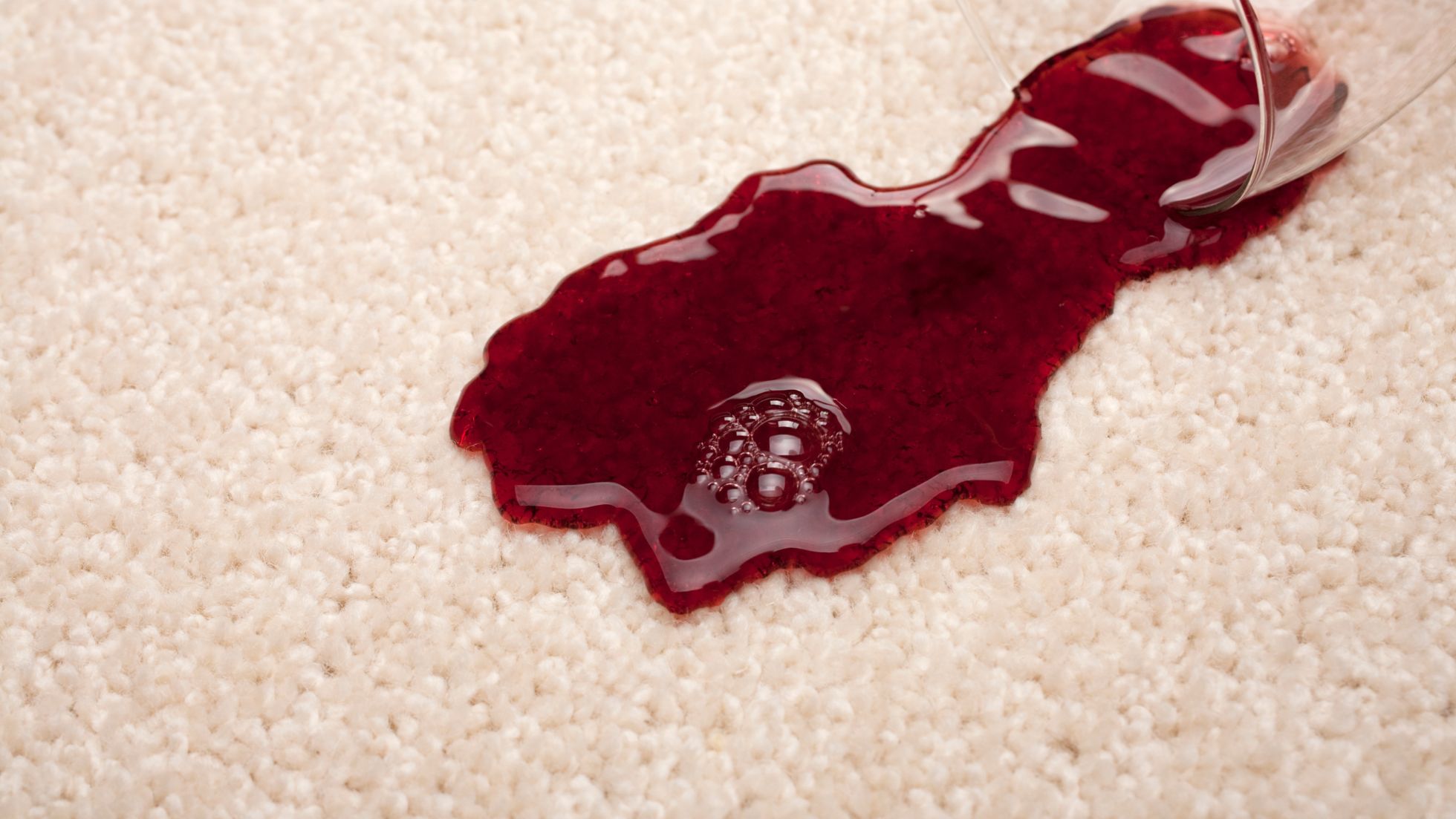
Eco-friendly solutions work equally well as harsh chemicals for fresh wine stains, without toxic fumes or residue risks that concern Phoenix families with children and pets. The key lies in understanding proper application techniques adapted for Arizona’s climate and acting within the critical 30-minute window before heat-accelerated oxidation permanently bonds tannins to carpet fibers.
The Eco-Friendly Wine Stain Removal Method
For red wine spills on carpet, gather clean white absorbent cloths (never colored, which risk dye transfer), white vinegar with 5% acetic acid, baking soda, mild plant-based dish soap without dyes or fragrances, spray bottle with cool water, and vacuum with upholstery attachment. These household products create an effective arsenal that meets EPA Safer Choice standards for non-toxic cleaning without sacrificing effectiveness.
Immediate Response (0-5 minutes): Blot—never rub—wine with clean white cloth, working from stain edges toward center to prevent spreading. Continue blotting with fresh cloth sections until no more wine transfers to fabric. In Phoenix’s dry climate, this 5-minute window proves critical as delayed action allows rapid absorption into backing layers that DIY methods cannot effectively treat.
Vinegar Treatment (5-15 minutes): Mix one cup white vinegar with one cup cool water in spray bottle. Lightly mist stained area without oversaturating—mold risk exists even in Phoenix’s low humidity if backing stays wet beyond 24 hours. Blot with clean cloth as vinegar’s acidity neutralizes wine tannins. Repeat 2-3 times until wine color stops transferring to cloth.
Baking Soda Absorption (15-30 minutes): Create paste using three parts baking soda mixed with one part water. Apply thin layer over stained area and allow to dry completely. Phoenix’s dry climate accelerates drying to 45-60 minutes versus 2-3 hours in humid environments. Vacuum thoroughly to remove dried baking soda along with absorbed wine residue.
Dish Soap Finishing (if needed): Mix one teaspoon mild dish soap with two cups cool water. Apply small amount with clean cloth and blot—don’t scrub—to lift remaining residue. Rinse area with water-dampened cloth to remove soap, which attracts dirt if left in carpet. Blot dry with towel and allow air circulation for complete drying.
Child & Pet Safety: Why Non-Toxic Matters in Phoenix Homes
Common carpet stain chemicals pose risks that many homeowners underestimate. Denatured alcohol produces toxic fumes and presents flammability hazards, hydrogen peroxide causes bleaching on colored carpets, ammonia-based products create respiratory irritation, and chlorine bleach causes permanent discoloration while being toxic to pets. Phoenix-specific concerns include higher indoor chemical concentrations in sealed, air-conditioned homes during 115°F summer heat when ventilation remains limited.
The EPA’s indoor air quality guidelines emphasize that volatile organic compounds (VOCs) from cleaning products accumulate in enclosed spaces, creating health risks especially for children whose respiratory systems are still developing. Professional services using eco-friendly, non-toxic solutions eliminate these exposure concerns while achieving superior cleaning results through certified technician expertise and commercial-grade equipment.
When Wine Stains Require Professional Extraction
Several indicators signal that DIY attempts should stop before causing additional damage. If stains spread beyond the original boundary after treatment, carpet shows discoloration or lightening around the treatment zone, sticky residue remains after complete drying, or wine odor persists beyond 24 hours, professional intervention becomes necessary. Large affected areas exceeding two square feet require truck-mounted extraction equipment that consumer methods cannot replicate.
Delicate carpet fibers including wool, silk, or antique rugs require pH-balanced, fiber-specific chemistry that only certified technicians should apply. Time-set wine stains beyond one hour in Phoenix’s dry heat typically need oxidizing agents and commercial extraction pressure ranging from 400-500 PSI—capabilities unavailable in consumer products or rental machines. Cost reality checks reveal homeowners often spend $50-100 on multiple DIY products plus 4-6 hours labor investment before calling professionals, making immediate professional service more cost-effective for difficult stains.
DIY Ink Stain Removal Without Toxic Chemicals: Professional Techniques Simplified
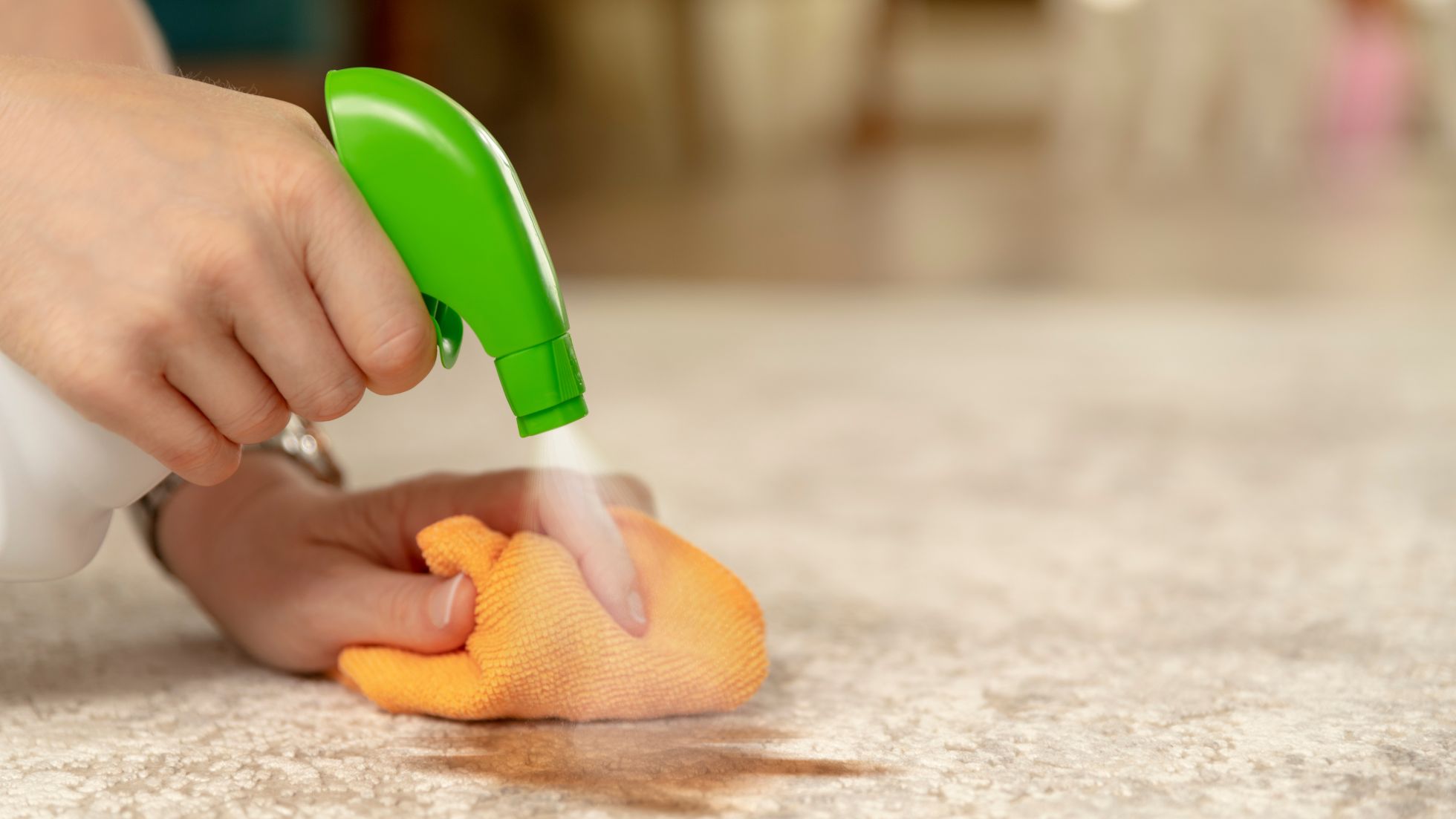
Ink stains present greater complexity than wine due to chemical bonding variations. Ballpoint pen ink contains oil-based compounds with moderate removal difficulty, gel ink uses water-based formulations that prove easier to treat, permanent marker contains alcohol-based pigments creating very difficult removal scenarios, and printer ink varies by type and manufacturer formulation. Understanding these differences helps Phoenix homeowners set realistic expectations before attempting DIY treatment.
The Rubbing Alcohol Ink Removal Method
For ballpoint pen ink—the most common residential scenario—proper technique begins with testing carpet colorfastness. Apply small amount of 70% isopropyl alcohol to hidden carpet area, wait 10 minutes, and check for color bleeding. This critical step prevents worse damage than the original ink stain through dye transfer or fiber discoloration.
Place clean white cloth under stained carpet area if accessible to absorb ink transfer. Dampen cotton ball with rubbing alcohol without soaking wet, then blot ink stain gently from edges toward center. Never rub, which spreads ink compounds and damages fiber structure. Replace cotton ball frequently as ink transfers, continuing until no more ink lifts—typically 5-10 applications for fresh stains under 30 minutes old. Rinse area with water-dampened cloth to remove alcohol residue, then blot dry and allow complete air drying.
Phoenix safety considerations for alcohol-based methods include proper ventilation even during summer heat—open windows and use fans as isopropyl alcohol produces VOC fumes. Flammability risk increases when evaporation accelerates at 115°F ambient temperatures, requiring distance from pilot lights, candles, and electrical equipment. Child and pet exclusion from treatment areas for 2 hours prevents exposure concerns. For sensitive households, professional non-toxic solvents eliminate these risks entirely while achieving superior results through certified technician application.
Eco-Friendly Ink Removal Alternatives for Water-Based Inks
Glycerin—a plant-based solvent available at pharmacies—mixed as one part glycerin to two parts water provides eco-friendly option for fresh gel ink. Apply with clean cloth and blot ink transfer without aggressive scrubbing. White vinegar mixed with cornstarch to toothpaste consistency works on water-based gel ink when applied for 30-minute drying period before vacuuming residue.
Important limitations exist: eco-friendly methods work primarily on fresh water-based inks under one hour old, not oil-based ballpoint or permanent markers. This reality explains why many DIY attempts fail despite following instructions correctly—the ink type doesn’t match the treatment chemistry. Professional carpet cleaning services use EPA-approved, non-toxic solvents formulated to work across all ink types without harsh chemical exposure, providing family-safe alternative when eco-friendly DIY reaches its limitations.
Why Ink Stains Often Need Professional Extraction
Permanent ink formulas are specifically designed to resist removal, requiring specialized solvents beyond consumer product capabilities. Ink wicks through carpet face yarn into backing within 15-30 minutes in Phoenix’s dry climate—much faster than humid environments—creating contamination that surface DIY cannot address. Aggressive DIY attempts often cause carpet dye transfer, creating larger discolored areas than original ink stains presented.
Wool and natural fiber carpets prove especially vulnerable as ink permanently bonds to protein-based fibers without professional pH-balanced treatment. IICRC certification data shows that 55% of ink stains require professional intervention, with homeowner DIY attempts succeeding only on fresh, small, water-based inks. Investment protection perspective reveals professional ink removal costs $25-75 per stain versus carpet replacement expenses at $3-8 per square foot—making early professional intervention financially prudent for challenging stains.
Grease Stain Removal: Baking Soda Absorption & Professional Degreasing Techniques
Grease stains differ fundamentally from water-based stains as oil-based compounds repel water, requiring emulsification or absorption rather than dilution. This chemical reality explains why water-based DIY methods often fail on cooking oil, automotive grease, or food grease accidents. Understanding proper treatment selection prevents wasted effort and potential carpet damage from inappropriate techniques.
The Baking Soda Absorption Method for Fresh Grease Stains
For cooking oil, butter, salad dressing, automotive grease, and food grease spills, immediate response proves critical. Remove solid grease residue with spoon or dull knife edge without pressing compounds deeper into carpet structure. Blot liquid grease with paper towels—never rub, which spreads grease into wider contaminated area beyond successful treatment range.
Cover entire greasy area generously with baking soda, which acts as absorbent through sodium bicarbonate chemistry. Allow baking soda to sit for 30-60 minutes minimum as absorption occurs. Phoenix’s dry climate accelerates this process compared to humid environments. For heavy grease contamination, consider leaving baking soda overnight for maximum oil absorption before vacuuming. Use upholstery attachment to thoroughly remove baking soda along with absorbed grease. Repeat process if grease spot remains visible after first application.
Cornstarch works identically to baking soda through the same absorption mechanism—use whichever product is readily available in kitchens. Both provide effective, non-toxic treatment for fresh grease without introducing moisture that could create mold risks or additional cleaning complications.
Dish Soap Emulsification for Remaining Grease Residue
After baking soda absorption, if greasy residue or discoloration persists, proper emulsification technique becomes necessary. Mix one teaspoon mild dish soap—preferably Dawn or plant-based varieties—with two cups cool water. Apply small amount to clean white cloth rather than pouring directly on carpet, which creates over-wetting risks. Blot greasy area gently as soap surfactants emulsify oil, allowing water absorption of compounds that previously resisted treatment.
Work from stain edges toward center to prevent spreading contamination. Critically important: rinse area with water-dampened cloth to remove soap residue. Soap left in carpet attracts dirt and creates sticky texture that compounds problems rather than solving them. Blot dry thoroughly with towels and allow complete air drying with fans or ventilation for 4-6 hours in Phoenix versus 12-24 hours in humid climates.
Phoenix Mold Prevention Warning
Even in Arizona’s 10-30% humidity environment, carpet backing that stays wet beyond 24 hours can develop mold and mildew growth. This reality surprises many Phoenix homeowners who assume desert conditions prevent mold entirely. Never over-wet carpets during DIY cleaning—use minimal moisture, blot thoroughly, and maximize air circulation with fans positioned to move air across carpet surface.
If carpet backing feels damp after 12 hours following cleaning attempts, professional extraction drying may become necessary to prevent mold development that creates far more serious health and cost concerns than original stains presented. Commercial extraction equipment removes 95% of moisture during cleaning versus 40-60% removal rates for consumer methods, explaining why professional services provide superior outcomes beyond just stain removal effectiveness.
Commercial & Automotive Grease: When DIY Fails
Heavy machinery grease, motor oil, and industrial lubricants require professional-grade degreasers not safe for homeowner use without specialized training. Large grease areas exceeding one square foot prove too extensive for consumer spot treatment, requiring commercial extraction equipment for complete removal. Set-in grease stains beyond 24 hours old bond with carpet fibers, requiring heated extraction at 190-210°F and specialized emulsifying agents unavailable in retail products.
Commercial carpet cleaning applications include restaurant kitchen grease accumulation requiring health code compliance, after-hours professional service minimizing business disruption, and high-traffic area maintenance. Professional equipment advantage lies in truck-mounted hot water extraction capabilities that emulsify grease using temperatures cold DIY water cannot approach. Cost-benefit analysis shows Phoenix commercial carpet cleaning at $0.15-0.30 per square foot versus carpet replacement at $3-8 per square foot in commercial environments—making professional maintenance significantly more economical than delayed intervention requiring replacement.
Critical Phoenix Carpet Cleaning Mistakes That Cause Permanent Damage
Top Phoenix homeowner mistakes observed through thousands of service calls include over-wetting carpets despite dry climate, harsh scrubbing that damages fiber structure, bleach use causing irreversible color removal, and ignoring post-dust-storm protocols that grind particulates deeper. Understanding these errors helps property owners avoid costly damage requiring carpet replacement rather than simple stain removal.
Over-Wetting: The Hidden Mold Risk in Phoenix Carpets
Common misconception suggests Arizona’s dry climate prevents mold growth entirely. Reality shows carpet backing staying wet beyond 24 hours creates mold breeding grounds even in 10-30% humidity environments. Over-wetting consequences include mold and mildew development, backing delamination separating carpet from foundation, subfloor moisture damage requiring extensive repairs, musty odors penetrating entire homes, and health risks especially for individuals with respiratory sensitivities.
DIY over-wetting typically occurs from using carpet shampooers without proper extraction capabilities, pouring cleaning solutions directly onto carpet surfaces, and repeated saturation attempts when initial treatments fail. Professional advantage lies in truck-mounted extraction equipment removing 95% of moisture during cleaning process, while consumer rental machines achieve only 40-60% moisture removal—explaining persistent dampness problems after DIY attempts.
Phoenix-specific protocol: if carpet still feels damp 12 hours after DIY cleaning, immediately contact professional extraction services to prevent mold development. Waiting beyond this timeframe allows microbial growth to establish, creating remediation challenges far exceeding original stain treatment costs and complexity.
Scrubbing vs. Blotting: Why Aggressive DIY Damages Carpet Fibers
Carpet construction uses yarn fibers twisted together in specific patterns that create texture and durability. Aggressive scrubbing untwists and frays individual strands, causing visual damage including “fuzzy” appearance, color loss from fiber abrasion, permanent texture changes, and worn pathways that cannot be reversed through subsequent professional treatment. Correct technique always emphasizes blotting with clean cloth using up-and-down motion rather than circular scrubbing patterns.
Phoenix dust complication intensifies this damage as scrubbing grinds embedded dust particles like sandpaper against carpet fibers, accelerating wear beyond typical rates. Professional methodology follows IICRC training standards emphasizing agitation tools specifically designed for carpet construction—never harsh brushing on residential carpets. Certified technicians understand fiber types and appropriate pressure levels that homeowners typically don’t consider during urgent stain treatment scenarios.
Bleach & Harsh Chemicals: Color Removal You Can’t Reverse
Common bleach accidents occur from using cleaners containing chlorine bleach on colored carpets, applying hydrogen peroxide concentrations exceeding 3%, and using oxygen bleach products on synthetic dyes not formulated to resist oxidation. Irreversible damage results as bleach removes carpet dye permanently, creating lighter spots that cannot be re-dyed without professional color repair services costing $1-3 per square foot.
Hidden bleach products include bathroom cleaners, mold removers, and some “oxy” stain removers containing bleaching agents that packaging doesn’t clearly identify. Safe alternatives include eco-friendly cleaning products meeting EPA standards, pH-neutral solutions, and professional non-toxic stain removers formulated for specific fiber types. When bleach damage occurs despite precautions, professional carpet dyeing services may restore color appearance, though prevention through proper product selection remains the only guaranteed solution.
Ignoring Phoenix Dust Storms: How Post-Haboob Cleaning Prevents Damage
Monsoon season protocol from June through September requires vacuuming carpets within 24 hours after dust storms to remove fine particulates before they embed deeply. Wet cleaning timing proves critical—never attempt stain removal immediately after dust storms without thorough vacuuming first, which creates mud compounds driving contamination into backing layers. Dust storm frequency impact shows 15-20 haboob events annually in Phoenix metro area, making regular professional extraction every 3-4 months more appropriate than 6-12 month intervals recommended for other climates.
Professional dust removal advantage includes HEPA-filtered commercial vacuums capturing 99.97% of fine particles versus 60-80% capture rates for consumer vacuums. This difference becomes especially significant for Phoenix families managing allergies or asthma, where incomplete dust removal creates ongoing indoor air quality problems despite homeowners’ best DIY efforts. Professional carpet cleaning services include specialized Arizona dust management protocols developed through years of regional experience serving Phoenix properties.
When to Call IICRC-Certified Professionals: Cost, Value & Realistic Expectations
Clear decision framework helps Phoenix homeowners understand when DIY proves appropriate versus when professional intervention becomes necessary. Small fresh surface stains under 30 minutes old measuring less than 12 inches diameter on common carpet types like nylon, polyester, or olefin show 60-75% DIY success probability for wine, fresh coffee, and light grease when no previous failed attempts have occurred.
Professional extraction becomes necessary for stains older than one hour in Phoenix’s dry heat where compounds have likely bonded to fibers, affected areas exceeding two square feet, deep penetration into carpet backing or pad, delicate fibers including wool, silk, antique rugs or natural materials, failed DIY attempts after 2+ unsuccessful treatments, permanent ink, motor oil, extensive grease, and commercial properties requiring quick turnaround. Success probability reaches 85-95% with certified professional treatment using appropriate equipment and chemistry.
Clear Failure Indicators – Stop DIY Immediately
Five critical signs indicate DIY attempts should cease before causing additional damage. First, stains spreading beyond original boundaries after treatment attempt show improper technique or chemistry selection. Second, carpet color lightening or bleaching around stain area indicates chemical damage requiring professional assessment. Third, sticky or crunchy texture remaining after complete drying reveals cleaning residue attracting dirt and requiring extraction removal.
Fourth, persistent odor after complete drying beyond 24 hours signals contamination penetrating backing layers that surface treatment cannot address. Fifth, visible fiber damage including fraying or texture changes indicates aggressive treatment has compromised carpet structure. When any of these conditions appear, continuing DIY efforts typically worsens problems rather than resolving them—making immediate professional consultation the prudent choice for protecting carpet investment.
What IICRC S100 Certification Means for Phoenix Homeowners
The Institute of Inspection, Cleaning and Restoration Certification serves as international standards organization for the cleaning industry since 1972. S100 Standard represents ANSI-approved professional carpet cleaning methodology covering inspection procedures, fiber identification, cleaning chemistry, spot and stain removal, equipment operation, and drying techniques. Certification requirements include 40+ hours training, written examination, and continuing education for renewal with adherence to professional standards throughout practice.
Certified technicians possess knowledge that DIY homeowners typically lack: identifying 15+ carpet fiber types and their specific pH tolerance ranges, understanding which of 50+ professional cleaning agents work effectively on specific stain-fiber combinations, applying proper water temperature, pressure, and extraction timing preventing damage, determining when stains prove removable versus permanent to avoid wasted effort and cost, and implementing mold prevention protocols even in Phoenix’s dry climate. This expertise explains why certification ensures trained, knowledgeable service rather than trial-and-error approaches risking thousands in carpet damage.
Professional Equipment vs. Consumer Rental Machines
Truck-mounted extraction systems used by professional services heat water to 190-210°F dissolving oil-based stains and killing dust mites and bacteria, apply extraction pressure at 400-500 PSI reaching carpet backing to remove embedded allergens, provide vacuum power removing 95% of moisture during cleaning, use pH-balanced fiber-specific EPA-certified eco-friendly chemistry, and feature HEPA filtration capturing 99.97% of allergens and dust particles. Results include deep cleaning to backing layers, faster drying in 4-6 hours, and stain removal success rates of 85-95%.
Consumer rental machines from retail stores heat water to 90-120°F maximum—insufficient for oil emulsification, apply extraction pressure of 60-100 PSI limited to surface cleaning only, provide vacuum power removing 40-60% of moisture creating over-wetting risks, use consumer-grade one-size-fits-all chemistry potentially containing harsh compounds, and offer basic dust collection without fine allergen capture. Results show surface appearance improvement, 12-24 hour drying periods, and 40-50% stain success rates.
Investment comparison reveals rental machines cost $30-50 plus $20-30 in cleaning solutions totaling $50-80, requiring 4-6 hours time investment for average homes. Repeat rental needs for stubborn stains often reach 2-3 attempts totaling $150-240 before homeowners contact professionals. Professional service provides one-time investment of $120-250 with guaranteed results and 90-minute average service duration—making cost-effectiveness clear for challenging stain scenarios.
Phoenix Carpet Cleaning Costs 2025: Transparent Pricing
Typical Phoenix area pricing for small homes with 1-2 bedrooms ranges $120-180, medium homes with 3 bedrooms cost $180-220, and large homes with 4+ bedrooms require $220-300. Per square foot industry standard pricing falls between $0.25-0.50, stubborn stain removal costs $25-75 per individual stain, commercial spaces receive pricing of $0.15-0.30 per square foot, and emergency same-day service may include 20-30% surcharge based on scheduling availability.
Value extends beyond clean carpet appearance to include allergen extraction improving Phoenix indoor air quality and reducing asthma and allergy symptoms, carpet life extension where professional cleaning every 12-18 months adds 3-5 years to lifespan, warranty maintenance as many manufacturers require professional cleaning documentation, superior stain removal success at 85-95% versus 40-50% DIY rates, time savings with 90-minute professional service versus 4-6 hours DIY effort, and peace of mind through 100% satisfaction guarantees with certified technicians providing insured service.
ROI calculation example demonstrates value proposition: carpet replacement for 1,500 square foot home at $5 per square foot costs $7,500, while professional cleaning at $200 every 18 months for 4 cleanings totals $800 over 6 years. Extended carpet life from original 10-year to 15-year lifespan through proper maintenance creates savings of $6,700 by maintaining versus accepting premature replacement. Additional benefits include better indoor air quality, consistently stain-free appearance, and comprehensive allergen control throughout extended lifespan.
Frequently Asked Questions
How long do I have to treat carpet stains in Phoenix before they permanently set?
Phoenix’s dry desert climate with 10-30% humidity provides approximately 30-45 minutes to treat fresh stains before they set into carpet fibers—significantly faster than 1-2 hours in humid regions. Arizona’s extreme heat between 90-115°F accelerates oxidation processes causing wine tannins, ink compounds, and oil-based grease to bond more quickly with carpet yarns. For optimal results, treat stains immediately using proper blotting technique and eco-friendly solutions. Once stains have dried completely—typically 45-60 minutes in Phoenix conditions—professional extraction becomes necessary as DIY surface cleaning cannot reach fiber-bonded compounds requiring specialized chemistry and commercial equipment.
How do Phoenix dust storms make carpet stains harder to remove?
Arizona’s monsoon season from June through September brings 15-20 haboob dust storm events annually introducing fine sand and silt particles measuring 2.5-10 microns into Phoenix homes. When these particulates mix with wet carpet stains, they create mud-like compounds penetrating deep into carpet backing beyond DIY spot cleaning reach. Dust particles act as abrasives when scrubbed, potentially damaging carpet fiber structure. Professional protocol requires vacuuming carpets within 24 hours after dust storms using HEPA filtration before attempting any wet stain treatment. Commercial extraction equipment reaches carpet backing to remove embedded dust that consumer vacuums leave behind, preventing long-term allergen accumulation affecting indoor air quality.
How often should Phoenix residents professionally clean carpets for allergen control?
Phoenix’s year-round allergen environment requires more frequent professional carpet cleaning than humid climates—every 3-4 months for optimal indoor air quality versus 6-12 months in other regions. Arizona’s constant dust accumulation combined with carpets naturally trapping dust mites, pet dander, mold spores, and particle pollution creates 2-4 times higher allergen concentrations in carpet backing compared to other environments. Research confirms professional hot water extraction removes 70-85% of embedded allergens that DIY vacuuming and surface cleaning cannot reach. Phoenix families managing asthma, allergies, or young children should prioritize quarterly professional cleaning to maintain healthy indoor air quality.
Are commercial carpet cleaning products safe for pets and children in Phoenix homes?
Many conventional carpet cleaning products contain harsh chemicals including denatured alcohol, ammonia, and bleach-based compounds producing toxic fumes and leaving residues harmful to children and pets. Phoenix’s sealed, air-conditioned homes during 115°F summer heat create higher indoor chemical concentrations than naturally ventilated environments. EPA Safer Choice standards recommend plant-based, biodegradable cleaning solutions eliminating VOC exposure without sacrificing effectiveness. Professional services using IICRC-approved, non-toxic cleaning solutions with EPA Green Cleaning certifications provide safe alternatives for families immediately after service without requiring home evacuation or pet access restriction.
What’s the safest way to remove ink stains from carpet without toxic chemicals?
For water-based ink from gel pens, eco-friendly alternatives include glycerin—a plant-based solvent—mixed as one part glycerin to two parts water, or white vinegar combined with cornstarch to paste consistency. However, oil-based ballpoint pen ink typically requires 70% isopropyl rubbing alcohol with proper safety precautions including open windows for ventilation even during Phoenix summer heat, child and pet area exclusion during treatment and 2-hour drying period, and distance from pilot lights or flames due to flammability concerns. Success rates for eco-friendly DIY ink removal reach approximately 40-50% on fresh water-based inks under one hour old. For oil-based ink, permanent markers, or set-in stains, professional EPA-approved non-toxic solvents work across all ink types without harsh chemical exposure while achieving 85-95% removal success.
What’s the difference between spot cleaning and professional carpet extraction for stains?
Spot cleaning addresses only carpet surface fibers in the top quarter-inch of yarn face, while professional hot water extraction reaches full carpet depth including backing and pad layers where 60-70% of contaminants accumulate. Consumer spot treatment applies cleaning solution and blots residue but lacks extraction pressure to remove compounds from fiber cores and backing structure. Truck-mounted extraction equipment injects 190-210°F cleaning solution at controlled pressure, agitates fibers with professional tools, then extracts solution along with dissolved stains, allergens, and residues at 400-500 PSI vacuum power. This process removes 95% of moisture compared to 40-60% for DIY methods, prevents mold growth even in Phoenix climate, and eliminates dust mites, bacteria, and allergens that spot cleaning leaves behind.
How do IICRC-certified technicians remove stubborn carpet stains differently than DIY?
IICRC S100 certification provides specialized training in carpet fiber identification, stain chemistry, cleaning solution pH balancing, and damage prevention that DIY homeowners don’t possess. Certified technicians identify 15+ fiber types including nylon, polyester, olefin, wool, and natural materials, understanding which of 50+ professional cleaning agents work safely and effectively on specific stain-fiber combinations. Commercial-grade equipment including truck-mounted extraction systems operating at 400-500 PSI with 190-210°F water temperature reaches carpet backing where DIY spot treatment cannot penetrate. Technicians undergo 40+ hours training plus continuing education ensuring knowledge of when stains prove removable versus permanent—saving Phoenix homeowners wasted time, money, and potential carpet damage from improper DIY attempts.
Can professionals remove stains that DIY methods failed on?
Approximately 70-80% of stains resisting DIY treatment are successfully removed by IICRC-certified professionals using specialized chemistry and commercial extraction equipment. Common DIY failures include set-in wine stains requiring professional oxidizing agents, oil-based ink needing specialized solvents, deep grease penetration requiring 190-210°F emulsification, and stains with dust storm contamination needing backing-level extraction. However, some DIY attempts cause permanent damage that professionals cannot reverse including bleach discoloration, color bleeding from harsh scrubbing, fiber fraying from aggressive treatment, and mold development from over-wetting. Consider stopping DIY attempts after 2 unsuccessful treatments before causing irreversible harm requiring carpet replacement rather than professional stain removal.
How much does professional carpet stain removal cost in Phoenix versus DIY products?
Professional carpet stain removal in Phoenix averages $25-75 per stubborn stain, while whole-home carpet cleaning costs $120-250 depending on home size. DIY comparison shows homeowners typically spending $30-100 on multiple stain removal products including rubbing alcohol, enzyme cleaners, and rental machine solutions before contacting professionals, plus 4-6 hours labor investment. Consumer carpet cleaning machine rentals cost $30-50 plus $20-30 in solutions totaling $50-80 per attempt, with stubborn stains often requiring 2-3 rental attempts reaching $150-240 total with 40-50% success rates. Professional service provides 85-95% stain removal success, 100% satisfaction guarantee, certified technician expertise, and superior allergen extraction in single visit—making cost-effective approach attempting eco-friendly DIY only on fresh small stains under 30 minutes old.
Is professional carpet cleaning worth the cost for Phoenix homeowners?
Professional carpet cleaning every 12-18 months extends carpet lifespan by 3-5 years, delaying $7,500-15,000 replacement costs for average Phoenix homes. Cost-benefit analysis shows $200 professional cleaning multiplied by 4 services over 6 years equals $800 investment extending 10-year carpet life to 15 years—saving $6,700+ versus premature replacement. Additional value includes allergen extraction improving Phoenix indoor air quality critical for Arizona’s year-round allergen environment, dust mite and bacteria removal that DIY cannot reach, carpet manufacturer warranty maintenance validity, mold growth prevention despite low humidity, and professional stain removal expertise. For Phoenix property managers, professional cleaning maintains asset value and tenant satisfaction while costing significantly less than tenant turnover carpet replacement.
Does Barefoot Clean Floors offer same-day emergency carpet cleaning in Phoenix?
Barefoot Clean Floors provides same-day emergency carpet cleaning throughout Phoenix metro area for urgent situations including wine spills before events, commercial property customer-facing area stains, post-dust-storm mud tracking, and failed DIY attempts causing spreading stains. Emergency protocol involves calling (602) 603-4781 immediately when stains occur or DIY fails for assessment of whether same-day service can prevent permanent damage. Phoenix’s dry climate means stains set within 30-45 minutes, making rapid professional response critical for optimal removal success. While same-day service may include surcharges based on scheduling, immediate professional intervention often costs less than carpet replacement at $3-8 per square foot while providing peace of mind that certified technicians use eco-friendly, fiber-safe chemistry throughout Greater Phoenix Metro Area including Scottsdale, Tempe, Mesa, Chandler, Gilbert, Glendale, and Peoria.
What areas does Barefoot Clean Floors serve for carpet cleaning in Arizona?
Barefoot Clean Floors serves Phoenix, Arizona and surrounding Greater Phoenix Metro Area including Scottsdale, Tempe, Mesa, Chandler, Gilbert, Glendale, Peoria, Surprise, Avondale, Goodyear, and all Maricopa County communities. IICRC-certified technicians understand Arizona-specific carpet cleaning challenges including monsoon season dust storm management from June through September, extreme heat stain-setting acceleration, year-round allergen control needs, and Phoenix’s unique combination of dust accumulation with low humidity. Services include residential carpet cleaning, commercial facility maintenance, upholstery cleaning, tile and grout restoration, and automotive detailing throughout Phoenix metro area with Monday-Saturday availability, flexible scheduling for business after-hours cleaning, emergency same-day response, and seasonal monsoon cleanup protocols.
Phoenix Carpet Stain Removal: DIY Success or Professional Expertise?
Wine, ink, and grease carpet stains don’t require permanent damage or expensive carpet replacement for Phoenix homeowners who understand proper treatment approaches. Arizona’s unique climate challenges including 30-minute* stain-setting timelines in dry heat, monsoon dust storm complications, and accelerated allergen accumulation require specialized knowledge for successful outcomes protecting carpet investments.
For fresh small stains under 30 minutes* old, eco-friendly DIY methods using baking soda, white vinegar, and mild dish soap provide safe, effective treatment without harsh chemical exposure to families. These non-toxic solutions work equally well while protecting children, pets, and Phoenix’s desert environment through proper application adapted for Arizona conditions.
Recognize when DIY becomes counterproductive: stains older than one hour*, areas exceeding two square feet, failed treatment attempts, or delicate carpet fibers all require IICRC-certified professional intervention preventing permanent damage. Barefoot Clean Floors’ trained technicians, commercial extraction equipment operating at 400-500 PSI and 190-210°F, and EPA-approved eco-friendly solutions achieve 85-95% stain removal success protecting carpet investments while maintaining non-toxic environments Phoenix families deserve.
For free consultation and professional assessment of specific carpet stain challenges, contact Barefoot Clean Floors at (602) 603-4781. Certified technicians provide honest evaluation of whether DIY proves appropriate or professional service becomes necessary—offering expert Phoenix carpet care guidance without high-pressure sales approaches. Same-day emergency service availability addresses urgent stain situations where immediate professional response prevents permanent damage, with Phoenix-area technicians understanding Arizona’s 30-minute* stain-setting urgency through regional experience.
Barefoot Clean Floors stands behind every cleaning service with 100% satisfaction guarantee reflecting IICRC certification, eco-friendly solution commitment, and proven Phoenix expertise delivering results homeowners and business owners trust. Visit barefootcleanfloors.com to learn more about comprehensive carpet, tile, upholstery, and commercial cleaning services throughout Greater Phoenix Metro Area where certified professionalism meets eco-friendly family safety for residential and commercial properties.
Sources
Industry Certification and Standards
-
IICRC – Institute of Inspection, Cleaning and Restoration Certification – International standards organization providing S100 professional carpet cleaning methodology and certified technician training requirements
-
ANSI/IICRC S100 Standard for Professional Cleaning – American National Standards Institute approved procedures and methods for commercial and residential carpet maintenance
Health and Environmental Authorities
-
EPA – Indoor Air Quality Introduction – Environmental Protection Agency guidance on indoor air pollutants, ventilation, and carpet maintenance for allergen control
-
EPA Safer Choice Program – Environmental Protection Agency standards for eco-friendly cleaning products and non-toxic solution certifications
-
American Lung Association – Carpets and Indoor Air – Health organization research documenting how carpets trap dust mites, pet dander, mold spores, and particle pollution
Professional Carpet Cleaning and Equipment Standards
-
COIT – Expert Ink Removal Tips – Professional carpet cleaning company techniques for ink stain removal and fiber protection
-
Real Simple – Homemade Carpet Cleaner Solutions – Consumer research publication covering eco-friendly carpet cleaning methods and household product applications
-
Arm & Hammer – How to Clean Carpet with Baking Soda – Manufacturer guidance on sodium bicarbonate applications for carpet odor and stain treatment
Phoenix Arizona Regional Resources
-
Phoenix Area Carpet Cleaning Cost Data – Local market pricing research for Phoenix carpet cleaning services including per-square
