


 Living in the vibrant Valley of the Sun comes with a multitude of perks: breathtaking desert sunsets, mild winters, and stunning mountain views. However, every resident of Phoenix, Arizona, knows that surviving the summer requires preparing for the extreme weather that rolls in between June 15th and September 30th. We are, of course, talking about the infamous Phoenix monsoon season.
While the sudden downpours and dramatic lightning storms bring much-needed relief to our parched desert landscape, they also bring high-speed winds, massive dust storms (haboobs), and a sudden, shocking spike in humidity. While you might be focused on securing your patio furniture and checking your roof for leaks, there is a hidden victim of monsoon season right beneath your feet: your carpets.
Securing a professional carpet cleaning after monsoon Phoenix isn’t just about aesthetics; it is a vital step in maintaining your indoor air quality, protecting your flooring investment, and keeping your home healthy. In this comprehensive guide, we will explore exactly how monsoon weather wreaks havoc on your floors, the hidden dangers lurking in your carpet fibers after a storm, and why Barefoot Clean Floors is your ultimate partner in post-monsoon recovery.
Understanding the Phoenix Monsoon: A Perfect Storm for Your Carpets
To understand why your carpets need so much attention after the summer storms, you first have to understand what a monsoon actually is. A monsoon isn’t just a thunderstorm; it is a seasonal shift in wind patterns that draws heavy moisture from the Gulf of California and the Pacific Ocean directly into the arid desert of Arizona.
The Haboob Effect
Often, the first sign of an approaching monsoon is the haboob—a towering wall of dust that can stretch thousands of feet into the air and span miles across the horizon. These dust storms are propelled by microbursts and downdrafts from collapsing thunderstorms. The winds can easily exceed 50 to 60 miles per hour, picking up loose desert topsoil, agricultural dust, and urban debris.
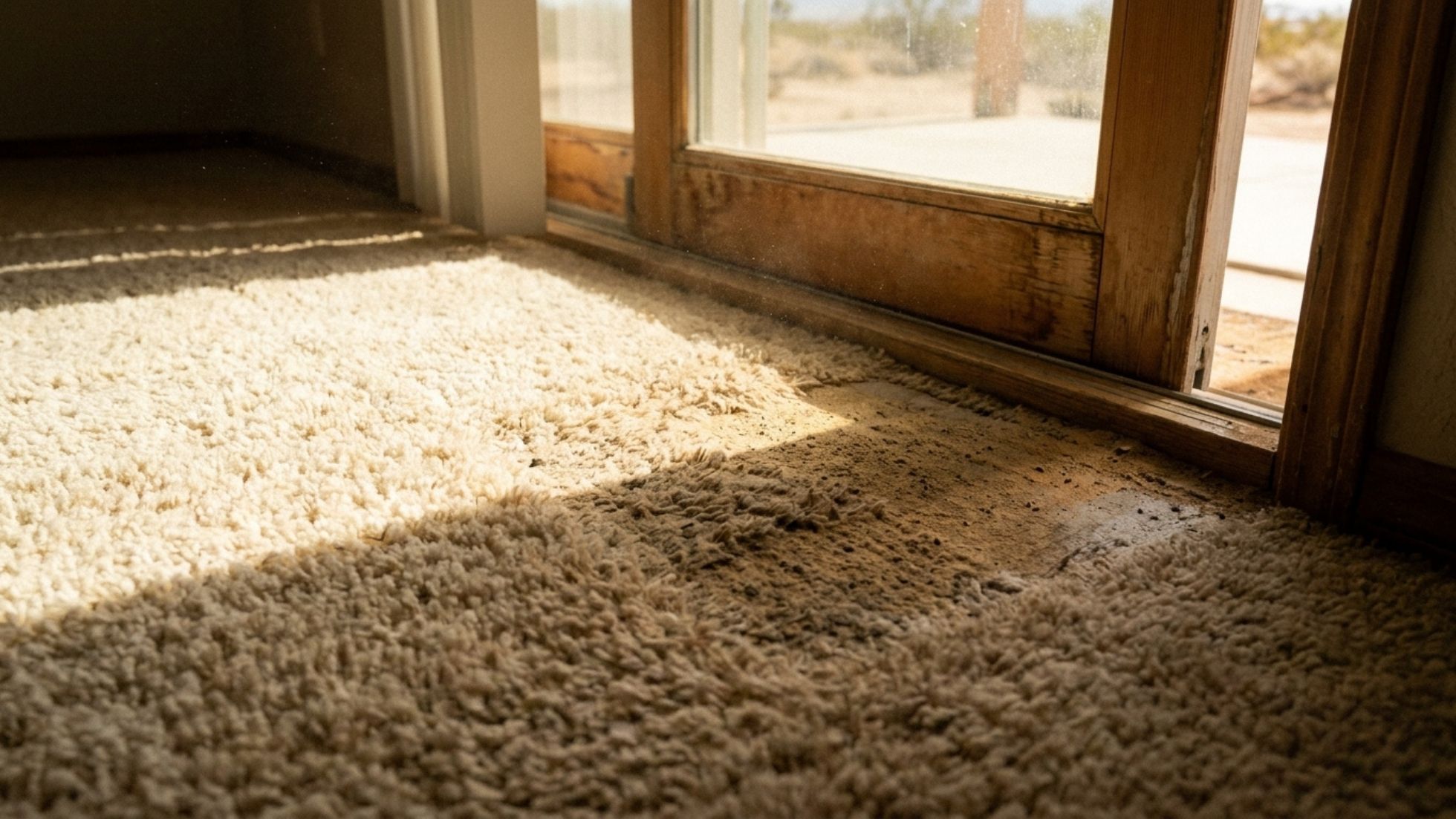
This dust is incredibly fine. It is much smaller than the sand you might find on a beach. Because the particles are microscopic, they easily penetrate the tiny gaps around your doors and windows. Even if your house is sealed tight, the sheer force of the wind forces these particulates into your home, where they inevitably settle onto your floors.
The Humidity Spike
The second factor is the sudden increase in humidity. Phoenix is famous for its “dry heat,” but during the monsoon season, dew points can soar, making the air feel sticky and heavy. When the rain finally falls, it mixes with the dust that has already settled everywhere.
Inside your home, the dust that has been forced into your carpet fibers mixes with the ambient humidity or the moisture tracked in from wet shoes. When fine desert dust and moisture combine, they create a microscopic layer of mud deep within the base of your carpet.
The Anatomy of Your Carpet and How It Traps Monsoon Messes
Carpets are complex textiles designed to be soft, durable, and insulating. However, their very design makes them highly susceptible to monsoon damage. To understand why carpet cleaning after monsoon Phoenix is so critical, let’s look at the anatomy of your flooring:
-
The Fibers (The Face Yarn): This is the part of the carpet you see and walk on. Whether it’s made of nylon, polyester, wool, or a blend, these fibers are woven tightly together. During a dust storm, the fine particulates settle onto these fibers.
-
The Primary and Secondary Backing: The fibers are stitched into a primary backing and held in place by an adhesive and a secondary backing. This creates a dense barrier. When dust gets pushed past the surface fibers, it rests against this backing, becoming incredibly difficult to remove with standard vacuuming.
-
The Carpet Pad: Beneath the carpet is a spongy pad designed to provide cushioning and insulation. If water leaks in through a window during a heavy monsoon downpour, or if a family member walks in with soaked shoes, this pad acts like a giant sponge, absorbing and holding onto that moisture.
The “Sandpaper” Effect
When the ultra-fine dust from a haboob settles into the base of your carpet fibers, it doesn’t just sit there peacefully. Desert dust, particularly the caliche-rich soil found around Phoenix, is highly abrasive. Every time you, your children, or your pets walk across the room, your footsteps grind that dust against the carpet fibers.
Over time, this acts like microscopic sandpaper, scratching and cutting the fibers. This causes the carpet to look dull, frayed, and “matted down.” Once the fibers are physically scratched and damaged, no amount of cleaning can restore their original shine. This is why removing the dust promptly after monsoon season is essential to preserving the life of your carpet.
The Hidden Health Risks of Ignoring Post-Monsoon Carpet Cleaning
The visual impact of a dirty carpet is one thing, but the microscopic ecosystem living inside it is another issue entirely. The aftermath of a Phoenix monsoon creates an environment that can actively harm your family’s health if left unaddressed.
1. Mold and Mildew Growth
Mold spores are naturally present in the air everywhere, but they need two things to thrive: a food source and moisture. Your carpet fibers (especially organic ones like wool) and the trapped dirt provide the food. The humidity from the monsoon season, or water tracked in from the rain, provides the moisture.
If water sits in your carpet pad for more than 24 to 48 hours, mold can begin to colonize. Because the mold is growing underneath the surface of the carpet, you may not see it until it is too late. The only clue might be a lingering, musty odor in your home. Breathing in mold spores can cause severe respiratory issues, allergic reactions, and headaches.
2. Valley Fever Spores (Coccidioidomycosis)
Arizona is one of the primary hotspots for Valley Fever, a fungal infection caused by Coccidioides spores that live in the desert soil. When a haboob strikes, these spores are violently whipped up into the air and blown across the city. If these spores infiltrate your home and settle into your carpets, they can be kicked back up into the air every time someone walks across the room. While most people recover from Valley Fever, it can cause severe, flu-like symptoms and dangerous respiratory complications. Deep cleaning your carpets helps extract these spores from your indoor environment.
3. Aggravated Allergies and Asthma
Monsoon season often triggers a secondary blooming period for desert plants, leading to a spike in pollen. When combined with the dust, pet dander, and other indoor pollutants trapped in your carpet, your flooring becomes a massive reservoir of allergens. Professional carpet cleaning after monsoon Phoenix removes this toxic cocktail of irritants, dramatically improving your indoor air quality and providing relief for allergy and asthma sufferers.
Signs Your Carpets Took a Beating During the Monsoon
Not sure if your home needs a deep clean now that the skies have cleared? Here are the tell-tale signs that the Phoenix monsoon season has taken its toll on your floors:
-
The “Crunchy” Texture: Walk across your carpet barefoot. Does it feel soft and plush, or does it feel stiff, coarse, or slightly crunchy? That crunchy feeling is the result of dried dirt, dust, and humidity bonding together to form a hard residue on the fibers.
-
Traffic Lane Darkening: Look at the areas of your home that see the most foot traffic—hallways, the space right inside the front door, and the path from the living room to the kitchen. Are these paths significantly darker than the corners of the room? This is a sign of embedded dirt.
-
Musty Odors: As mentioned earlier, your nose is often the first detector of trapped moisture. If your home smells slightly stale, earthy, or musty, there is likely moisture trapped in the carpet pad.
-
Increased Dusting Frequency: Are you finding that you have to dust your wooden furniture and countertops more often than usual? This might be because your carpet is “full” of dust. When a carpet is saturated, it can no longer trap airborne particles. Instead, normal foot traffic acts like a bellows, shooting the dust back up into the air where it settles on your furniture.
-
Water Marks Near Entrances: Check the carpets near your sliding glass doors, front door, and under windows. If you see faint, yellowish, or brown water rings, rain made its way inside and dried into the fibers, bringing dirt along with it.
Why Vacuuming and DIY Cleaners Fall Short
When faced with a dirty carpet after a storm, many homeowners reach for their trusty upright vacuum or head to the local grocery store to rent a DIY carpet cleaning machine. Unfortunately, these methods are often woefully inadequate for tackling post-monsoon messes.
The Limits of Residential Vacuums
Even the most expensive, high-end residential vacuums are primarily designed to remove dry, loose, surface-level dirt. They simply do not have the suction power required to reach past the primary backing of the carpet to pull out the dense, heavy, humidity-caked mud that settles during a monsoon. You might make the surface look slightly better, but the abrasive dirt remains trapped at the base.
The Dangers of Rental Carpet Cleaners
Renting a carpet cleaner might seem like a cost-effective solution, but it often causes more harm than good, especially in a climate like Phoenix.
-
Over-Wetting: Rental machines lack the powerful extraction vacuum systems used by professionals. Because of this, users often pump gallons of water into their carpets, but the machine is unable to suck it all back out. In an air-conditioned home, this leaves the carpet soaking wet for days, practically guaranteeing the growth of mold and mildew in the pad.
-
Soap Residue: DIY cleaning solutions are often highly concentrated and soapy. Rental machines do not rinse the carpet adequately, leaving behind a sticky soap residue. This residue acts like a magnet, attracting dirt and dust from the air. You might find that your carpet looks clean for a week, only to turn black and heavily soiled shortly after.
 The Professional Difference: Barefoot Clean Floors’ Approach
To truly restore your carpets after the brutal Arizona summer, you need the expertise and equipment of a professional. At Barefoot Clean Floors, our approach to carpet cleaning after monsoon Phoenix is thorough, scientific, and designed specifically for the unique challenges of our desert environment.
Step 1: Pre-Inspection and Deep Vacuuming
Our process begins with a thorough inspection of your flooring to identify high-traffic areas, specific stains, and any potential water damage from storms. Before any water is introduced, we perform a commercial-grade dry vacuuming to remove as much loose, dry soil as possible.
Step 2: Specialized Pre-Treatment
We apply a specialized, pH-balanced pre-conditioning spray to the carpet fibers. This solution is specifically formulated to break down the sticky, oily bonds that hold fine desert dust and mud to the carpet fibers. We pay special attention to the entryways where monsoon mud is most frequently tracked in.
Step 3: Agitation
Using professional grooming tools, we gently agitate the pre-treatment deep into the carpet pile. This ensures that the cleaning solution reaches all the way down to the base of the fibers, loosening the stubborn, embedded dirt that your home vacuum can’t reach.
Step 4: Hot Water Extraction (Steam Cleaning)
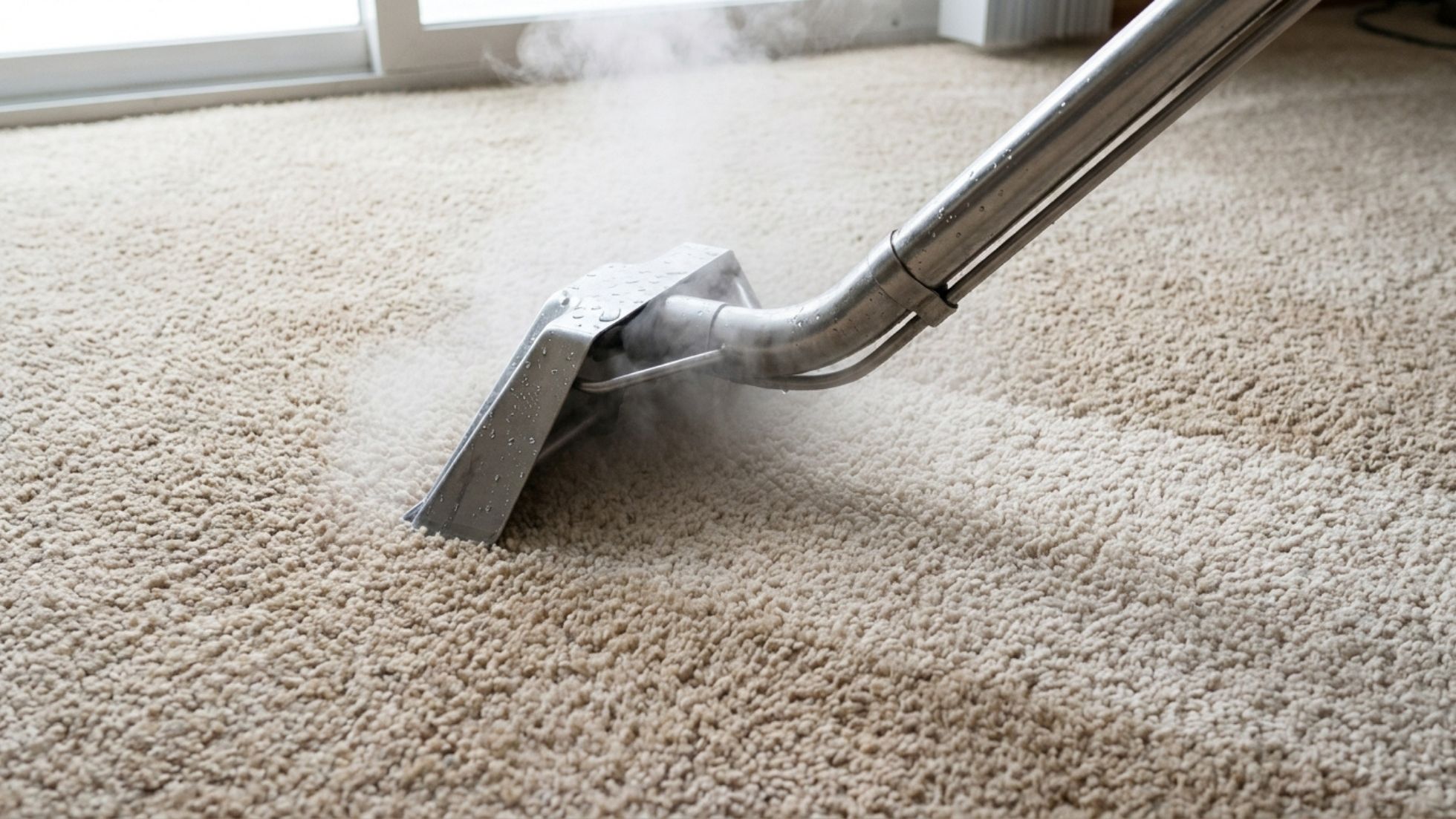
This is the core of our Steam Carpet Cleaning Phoenix service. We use state-of-the-art, truck-mounted equipment to inject highly pressurized, ultra-hot water into the carpet. This steam immediately sanitizes the fibers, killing dust mites and bacteria. Simultaneously, our massive vacuum system extracts the hot water, the pre-treatment solution, and the years of accumulated dirt and monsoon dust out of your house and into our disposal tanks.
Because our suction is so incredibly powerful, we extract the vast majority of the moisture, ensuring that your carpets dry quickly and completely, eliminating the risk of mold growth.
Step 5: Post-Cleaning Grooming and Inspection
Finally, we groom the carpet fibers so they stand up properly, which aids in a faster drying time and leaves your floors looking brand new. We walk through the home with you to ensure you are 100% satisfied with the results.
Post-Monsoon Carpet Maintenance Tips
Once Barefoot Clean Floors has restored your carpets to their former glory, you want to keep them looking pristine for as long as possible. Here are a few expert tips for maintaining your floors as we transition from monsoon season into the beautiful Phoenix fall and winter:
-
Invest in Quality Walk-Off Mats: Place heavy-duty, bristled mats outside every entrance to your home, and softer, absorbent mats directly inside. Encourage family members to thoroughly wipe their feet or, better yet, adopt a “no-shoes” policy indoors.
-
Change Your HVAC Filters: Your HVAC system worked incredibly hard during the dusty monsoon season. Change your air filters immediately after the season ends. If your filters are clogged, dust will circulate through the air and settle right back onto your freshly cleaned carpets.
-
Check Your Weather Stripping: Inspect the rubber seals and weather stripping around your doors and windows. If they are cracked or dried out from the intense summer heat, replace them. This will prevent fine dust from blowing into your home during future windy days.
-
Vacuum Slowly and Frequently: Vacuuming is still your first line of defense. Vacuum high-traffic areas at least twice a week. The key is to vacuum slowly. Rushing across the floor doesn’t give the machine enough time to agitate the fibers and suck up the dirt.
Secure Your Home’s Health Today
The Phoenix monsoon season is an awe-inspiring display of nature’s power, but it shouldn’t leave a lasting, dirty legacy inside your home. Don’t let microscopic dust, hidden allergens, and trapped moisture degrade your flooring and compromise the air your family breathes.
Protecting your investment starts with professional care. By scheduling a professional carpet cleaning after monsoon Phoenix, you are ensuring that your home remains a clean, safe, and comfortable oasis in the desert.
Are you ready to undo the damage of the summer storms? Contact Barefoot Clean Floors today to schedule your comprehensive post-monsoon carpet cleaning and experience the barefoot difference!
