
When it comes to maintaining a healthy home, carpet padding cleaning in Phoenix is essential because the underlying cushion acts as a dense sponge, permanently trapping microscopic desert dust, allergens, and pet accidents that surface vacuuming simply cannot reach. In 2026, relying solely on top-layer cleaning is insufficient; advanced sub-surface extraction techniques are required to flush out these deep-seated contaminants, neutralize odors at their source, and preserve the structural integrity of your flooring system without the need for premature replacement.
The Hidden Foundation: Understanding Carpet Padding
Carpet padding, often referred to as underlayment or cushion, is the unsung hero of your flooring. It provides structural support, acoustic insulation, and thermal regulation. Most residential homes utilize rebond polyurethane foam, memory foam, or synthetic rubber padding. While these materials excel at absorbing the impact of daily foot traffic, their porous cellular structure makes them highly susceptible to absorbing liquids and fine particulates.
According to data from the Carpet and Rug Institute (CRI), high-quality padding absorbs up to 40% of the kinetic impact from walking. However, this same absorptive quality means that spills, pet urine, and environmental dust are pulled downward by gravity, bypassing the carpet fibers and settling deep within the viscoelastic polyurethane matrix. Understanding the science behind deep cleaning is critical because treating only the visible fibers leaves a reservoir of contaminants festering just millimeters below the surface.
How the Phoenix Climate Affects Your Carpet Padding
The unique environmental conditions of Maricopa County place unprecedented stress on indoor flooring systems. The combination of intense dry heat, low humidity, and seasonal monsoon dust storms creates a perfect storm for indoor air quality degradation.
During the summer months of 2026, Phoenix continues to experience severe haboobs (dust storms) that force microscopic PM10 particulates into homes through microscopic cracks in windows and doors. These ultrafine dust particles settle into the carpet and are eventually ground down into the padding. The Environmental Protection Agency (EPA) reports that indoor air can be 2 to 5 times more polluted than outdoor air. In desert climates, this metric is heavily influenced by the amount of particulate matter trapped in flooring substrates.
Furthermore, the extreme dry heat causes rapid evaporation of surface spills. When a liquid is spilled, the water content evaporates quickly in the arid Phoenix air, leaving behind concentrated, sticky residues deep within the pad. This sticky residue acts as a magnet for future dirt, accelerating the degradation of the foam. Professional carpet padding cleaning Phoenix residents rely on must account for these rapid evaporation rates by utilizing specialized neutralizing agents.
The Dangers of Ignoring the Pad
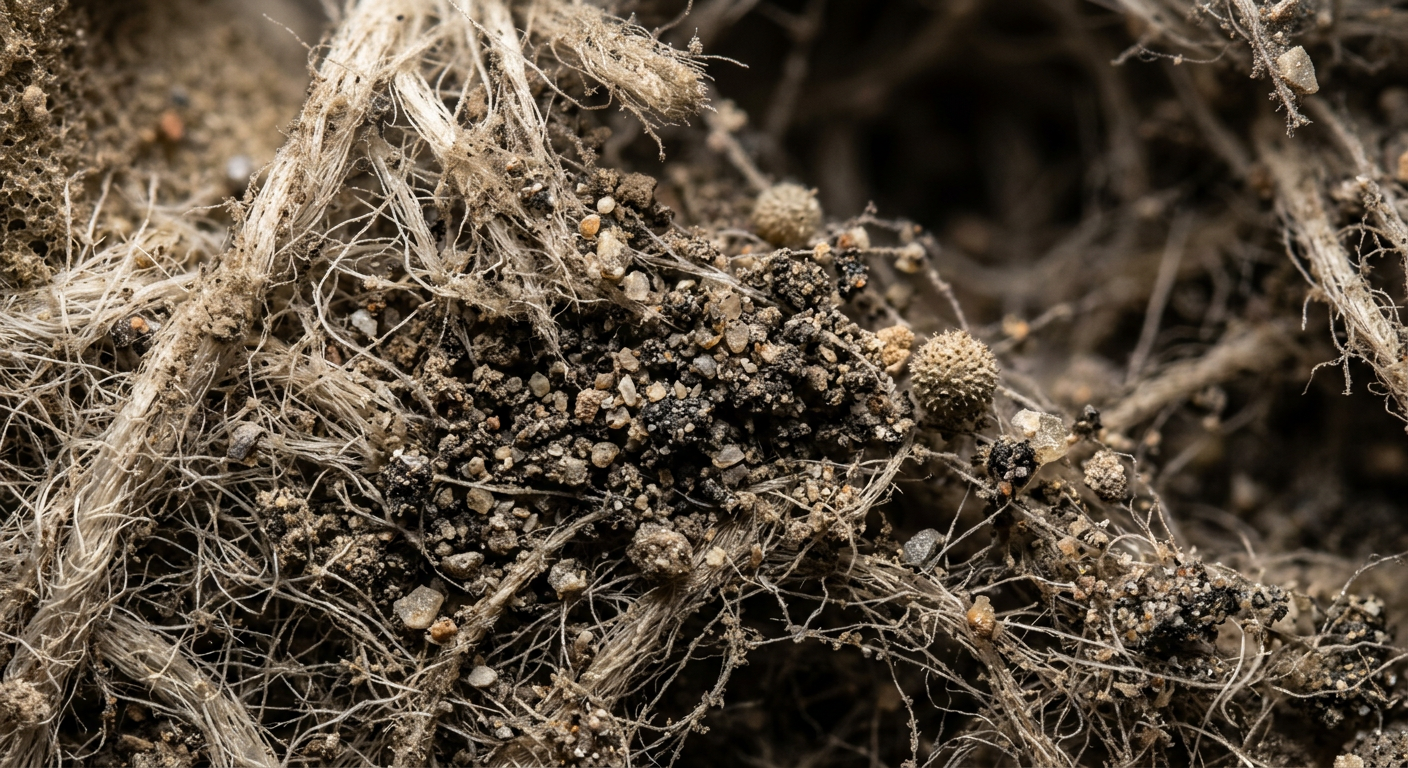
Neglecting the sub-layer of your carpet is not merely an aesthetic issue; it is a significant health and structural hazard. When contaminants accumulate in the padding, they create a phenomenon known as “soil wicking.” As the carpet is walked upon, the pressure forces trapped dirt and oils upward, causing mysterious stains to reappear on the surface shortly after a standard cleaning.
As Dr. Sarah Jenkins, an environmental health researcher, explains: “When homeowners neglect the sub-layer of their flooring, they inadvertently cultivate a reservoir of allergens that re-enter the breathing zone with every footstep. The mechanical action of walking acts like a bellows, pumping trapped dander and dust mites back into the indoor atmosphere.”
This continuous cycle of contamination highlights the risks associated with dirty carpets. Without targeted sub-surface extraction, the padding will eventually suffer from delamination—the separation of the foam layers—leading to a lumpy, uneven floor that must be entirely replaced.
Pet Accidents: The Ultimate Padding Test
For pet owners, the padding is the primary battleground against persistent odors. When a dog or cat urinates on the carpet, the liquid rarely stays on the surface. It quickly penetrates the primary backing, the secondary backing, and pools into the sponge-like rebond pad.
Urine is highly acidic when it leaves the mammalian body, but as it dries, it undergoes a chemical transformation. The moisture evaporates, leaving behind concentrated uric acid crystals and alkaline salts. These crystals are insoluble in standard water and soap. When the humidity rises—such as during the Phoenix monsoon season—these dormant crystals absorb moisture from the air and off-gas ammonia, causing the odor to return with a vengeance.
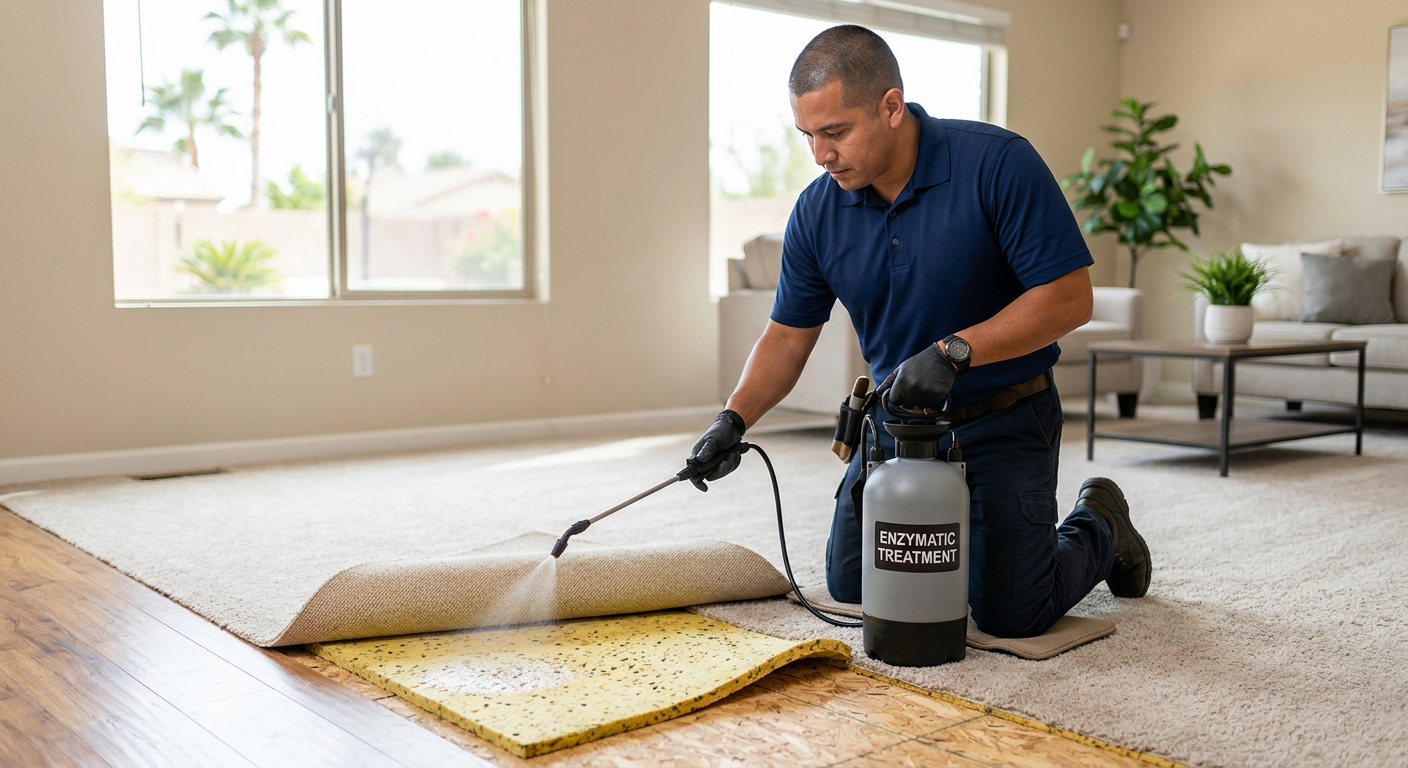
To effectively fix carpet odors after pet accidents, technicians must saturate the pad with specialized enzymatic treatments. These biological enzymes literally digest the uric acid crystals, breaking them down into harmless carbon dioxide and water. Attempting to mask these smells with topical deodorizers is a futile effort; you must eliminate carpet odors naturally by addressing the chemical source within the cushion.
Professional vs. DIY Carpet Padding Cleaning
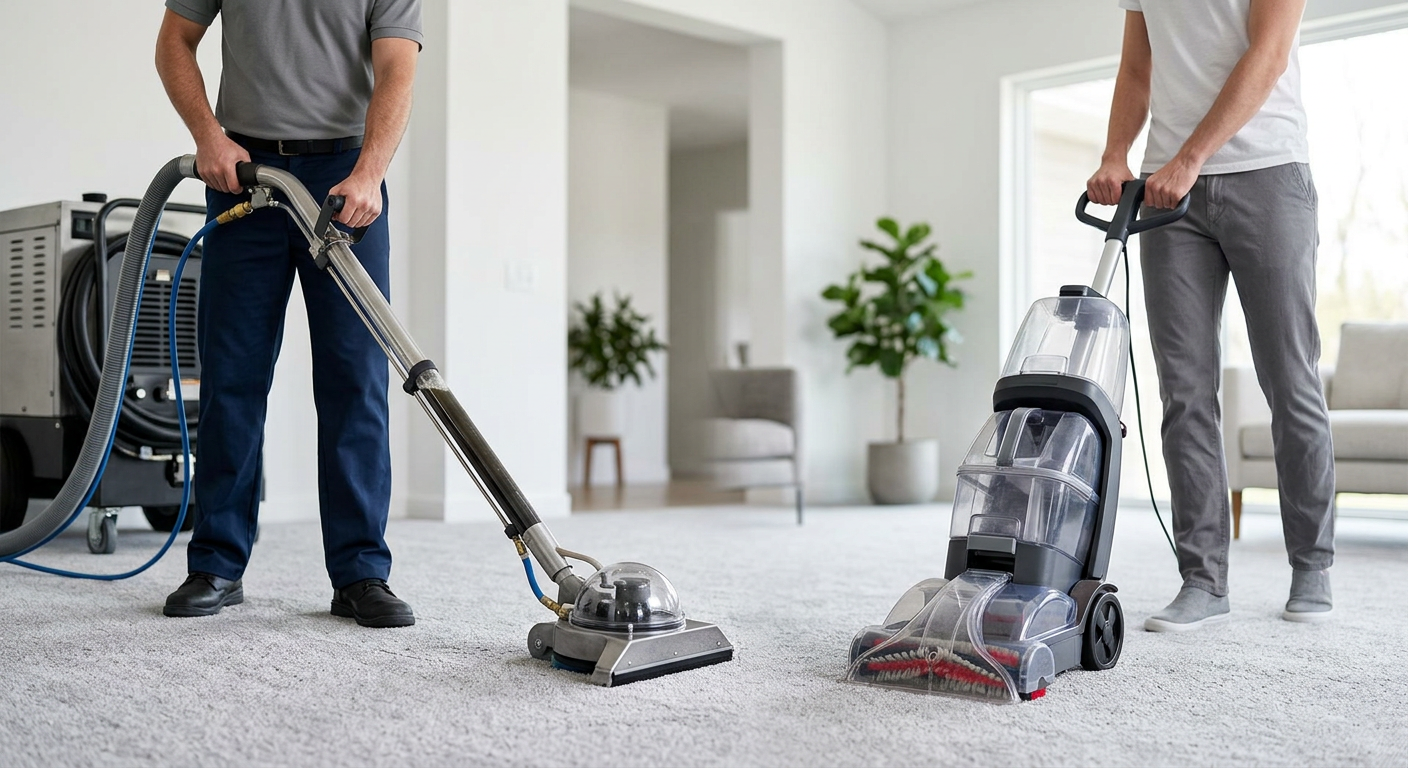
Many homeowners attempt to tackle deep stains using rented grocery store machines. However, these consumer-grade units lack the vacuum lift (water lift) required to pull moisture out of a dense half-inch foam pad. This is one of the primary reasons DIY carpet cleaning fails.
| Feature | DIY Rental Machines | Professional Sub-Surface Extraction |
|---|---|---|
| Vacuum Power (Water Lift) | Low (Leaves 40-50% moisture behind) | High (Extracts 95%+ of moisture) |
| Padding Penetration | Surface level only (Fibers) | Deep penetration (Reaches sub-floor) |
| Chemical Treatments | Generic, high-pH soaps | Targeted enzymes and acid rinses |
| Risk of Mold/Mildew | High (Due to over-wetting the pad) | Low (Accelerated drying protocols) |
| Odor Removal | Masks odors temporarily | Destroys odor-causing bacteria |
Step-by-Step: The 2026 Sub-Surface Extraction Process
The industry standards for restorative cleaning have evolved significantly. The Institute of Inspection, Cleaning and Restoration Certification (IICRC) outlines strict protocols for dealing with contaminated underlayments. Here is the definitive 5-step process used by top-tier professionals in 2026:
- UV Inspection and Moisture Mapping: Technicians begin by scanning the room with high-intensity ultraviolet lights and penetrating moisture meters. This reveals the exact perimeter of urine or liquid saturation hidden beneath the surface.
- Targeted Saturation: A specialized oxidizing or enzymatic solution is poured directly over the affected area. The technician intentionally over-wets the spot, ensuring the liquid penetrates through the carpet backing and saturates the pad completely.
- Dwell Time: The chemical requires 15 to 30 minutes of dwell time to break down alkaline salts, uric acid, and embedded desert clays.
- Sub-Surface Extraction: Using a specialized tool (often referred to as a “water claw” or “flash extractor”), the technician applies the device directly to the carpet. The immense suction of the truck-mounted vacuum compresses the pad and pulls the contaminated liquid from the sub-floor up through the tool, bypassing the carpet fibers entirely.
- Accelerated Drying: High-velocity air movers are deployed to ensure the pad dries rapidly. Knowing how long it will take to dry in Phoenix is crucial; with proper professional extraction and the arid climate, drying times are typically reduced to 2-4 hours.
When to Clean vs. When to Replace
While advanced extraction can save most carpets, there are distinct scenarios where the padding must be replaced. The average lifespan of high-quality rebond padding is 7 to 10 years. If your flooring is older than a decade and has lost its structural rebound (feeling flat or crunchy underfoot), cleaning will not restore its elasticity.
Furthermore, water damage categorization dictates the appropriate response. If a home experiences a clean water leak (Category 1), the pad can often be dried in place. However, if the flooding involves raw sewage or ground surface water (Category 3), the Centers for Disease Control and Prevention (CDC) mandates that the porous padding be removed and discarded immediately to prevent severe biohazard contamination and black mold proliferation.
As Marcus Thorne, a Senior Technician at the Floor Covering Installation Board, notes: “Sub-surface extraction is highly effective for localized pet stains and general dust accumulation, but widespread delamination of the rebond pad or Category 3 water intrusion necessitates full replacement to protect the occupants’ health.”
Maximizing the Lifespan of Your Carpet Cushion
Proactive maintenance is the most cost-effective strategy for homeowners. To extend carpet life and protect the underlying cushion, implement a rigorous vacuuming schedule using a machine equipped with a HEPA filter. Vacuuming slowly allows the beater bar to vibrate the carpet fibers, loosening the fine Phoenix dust before it can migrate downward into the foam.
Additionally, address spills immediately. Do not scrub or press hard on a spill, as this forces the liquid directly into the pad. Instead, gently blot the area with a thick, white cotton towel, applying steady downward pressure to absorb the moisture into the towel rather than the floor.
Key Takeaways for Homeowners
- The Pad is a Sponge: Carpet padding absorbs up to 40% of foot traffic impact, but it also absorbs liquids, pet urine, and fine desert dust.
- Phoenix Climate Factors: Haboobs and dry heat exacerbate indoor air quality issues, making deep extraction vital for respiratory health.
- DIY Machines Fall Short: Consumer rentals lack the water lift required to pull moisture out of a half-inch foam pad, often leading to mold and mildew.
- Sub-Surface Extraction is Essential: Professional carpet padding cleaning Phoenix relies on specialized tools like flash extractors to remove contaminants from the sub-floor without replacing the carpet.
- Enzymes Destroy Odors: Pet odors cannot be masked; the uric acid crystals trapped in the pad must be chemically digested by professional-grade enzymes.
Frequently Asked Questions (FAQ)
Can you actually clean the padding under the carpet?
Yes. Using a process called sub-surface extraction, professionals saturate the affected area with specialized cleaning agents and use high-powered, truck-mounted vacuums with specialized tools to pull the liquid from the pad up through the carpet.
How do I know if my carpet pad is ruined from pet urine?
If you experience persistent, strong ammonia odors that return during humid monsoon days, or if the carpet feels stiff, crunchy, or visibly sunken in specific spots, the uric acid crystals have likely degraded the foam structure.
Does steam cleaning reach the carpet padding?
Standard hot water extraction (steam cleaning) is designed to clean the carpet fibers and backing. It does not intentionally penetrate the padding. Specific sub-surface tools must be used to address the cushion directly.
How often should carpet padding cleaning Phoenix residents schedule service?
For homes with pets or severe allergy sufferers, targeted sub-surface extraction for problem areas should be done annually alongside standard fiber cleaning. General maintenance cleaning is recommended every 12 to 18 months.
Will cleaning the pad cause mold to grow?
If done incorrectly by a homeowner using a rental machine, over-wetting can cause mold. However, professionals use powerful extractors and high-velocity air movers to ensure the pad dries completely within a few hours, eliminating mold risk.
Is it cheaper to clean the pad or replace the whole carpet?
Sub-surface extraction is significantly cheaper than replacing the carpet and pad. It is highly cost-effective for localized issues like pet accidents or specific spill zones, saving thousands in replacement costs.
Conclusion: Protect What Lies Beneath
Your carpet’s padding is the hidden foundation of your home’s indoor air quality. In the demanding Phoenix climate, where fine desert dust and rapid evaporation trap contaminants deep below the surface, traditional vacuuming and DIY scrubbing simply aren’t enough. Ignoring the pad leads to recurring stains, persistent pet odors, and the eventual destruction of your flooring. By investing in professional Carpet Cleaning Phoenix AZ sub-surface extraction, you can neutralize odors at their chemical source, flush out deeply embedded allergens, and significantly extend the life of your carpet—saving you thousands of dollars in premature replacement costs.
Schedule Your Free Assessment
Call us today! (602) 603-4781 to have our team evaluate your carpets. We’ll identify any deep-seated stains or padding issues, recommend our targeted sub-surface extraction solutions, and provide transparent pricing for any needed work.
Contact Barefoot Clean Floors today at (602) 603-4781. Keep your floors healthy and your home looking great!
