
Your Phoenix carpets face challenges most DIY guides completely ignore: relentless dust storms, year-round pollen averaging 472 PPM, and desert allergens tracked in daily from shoes and pets. While homemade carpet deodorizers can freshen surface odors between professional cleanings, Arizona homeowners need to understand what actually works and what secretly damages vacuum cleaners while leaving allergens embedded deep in carpet fibers.
Most DIY carpet deodorizer recipes online come from lifestyle bloggers rather than certified cleaning technicians who understand carpet chemistry and Phoenix’s unique climate challenges. These guides overlook critical safety issues like baking soda destroying vacuum motors, monsoon dust penetration that surface powders can’t address, and when “fresh-smelling” carpets still trigger allergy symptoms because deep cleaning is necessary.
Key Information
DIY carpet deodorizers work effectively for light surface freshening between professional cleanings, but Phoenix homeowners dealing with Arizona’s constant dust and allergen exposure need deeper solutions every 6-12 months. Baking soda-based recipes can damage vacuum motors if used improperly, Phoenix’s monsoon season (June-September) brings dust storms that embed particles beyond surface reach, and professional hot water extraction at 160-230°F removes the allergen proteins and embedded desert dust that homemade powders simply mask temporarily.
Overview
This comprehensive guide provides tested DIY carpet freshening recipes from IICRC-certified cleaning technicians alongside honest professional insights most homeowner guides lack. You’ll learn five effective deodorizer recipes including Phoenix-specific variations for post-dust storm freshening, critical safety warnings about vacuum damage and pet toxicity that DIY blogs ignore, Arizona climate considerations for carpet care during monsoon season and year-round pollen exposure, transparent cost comparisons between DIY and professional approaches, and clear indicators when surface deodorizing won’t solve deep odors or allergen loads.
Unlike generic DIY content from bloggers without cleaning industry experience, this comes from certified carpet cleaning professionals with extensive Phoenix service experience. These recipes work for weekly freshening while being transparent about limitations, because your family’s health, equipment protection, and carpet longevity matter more than pretending DIY solves everything Arizona’s challenging climate throws at your floors.
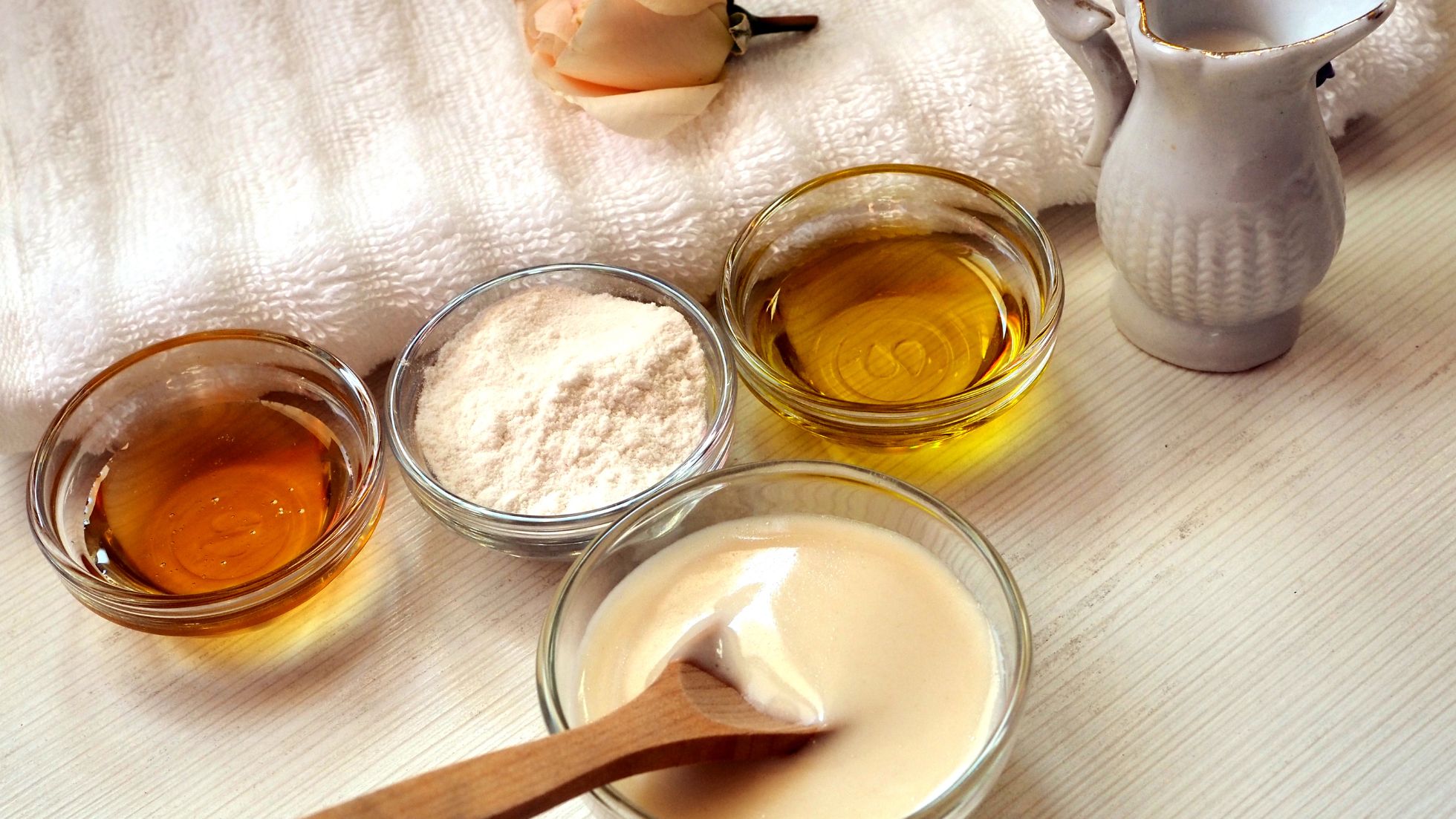
5 DIY Carpet Deodorizer Recipes That Actually Work
These recipes come from years of professional carpet cleaning experience serving Phoenix homes. Each formula has been tested for effectiveness, safety in Arizona’s climate, and compatibility with carpet fibers when used correctly.
Recipe 1: Basic Lavender and Tea Tree Carpet Freshener
This foundational recipe combines odor absorption with antibacterial properties particularly helpful during Phoenix’s humid monsoon season. Mix 2 cups of baking soda with 20 drops of lavender essential oil and 10 drops of tea tree oil in a glass container with a shaker lid. Sprinkle lightly across carpet using only about 1/4 cup per medium-sized room, let sit for 15-30 minutes maximum, then vacuum thoroughly using proper technique.
The tea tree oil provides natural antibacterial benefits that help with moisture-related issues during Arizona’s June through September monsoon season when humidity temporarily increases. Lavender offers a pleasant, not overpowering scent that won’t compete with your home’s natural air quality. Use this recipe sparingly because too much baking soda embeds permanently in carpet fibers and continues absorbing moisture indefinitely, which can accelerate soiling over time.
Recipe 2: Citrus Energy Carpet Deodorizer (Pet-Safe Alternative)
For homes with cats or frequent freshening needs, substitute cornstarch for baking soda to reduce vacuum strain and pH disruption. Combine 2 cups of cornstarch with 15 drops of orange essential oil and 10 drops of lemon essential oil. Cornstarch particles are lighter and less alkaline than baking soda, making them gentler on both carpet fibers and vacuum motors.
Apply only 2-3 tablespoons per room since cornstarch spreads more easily than heavier baking soda powder. Let the mixture sit for 20 minutes before vacuuming completely. Citrus scents work particularly well for masking the distinctive desert dust smell Phoenix homes accumulate without using heavy synthetic fragrances. This recipe is safer for feline households since citrus essential oils pose less toxicity risk to cats than tea tree, eucalyptus, or peppermint alternatives.
Recipe 3: Post-Dust Storm Carpet Refresh
Arizona’s haboob season demands a specific approach for surface dust management. Mix 1 cup of baking soda with 1 cup of cornstarch and add 15 drops of eucalyptus essential oil. This combination formula absorbs both fine dust particles and associated odors more effectively than single-ingredient approaches.
Always vacuum thoroughly first to remove loose dust before applying any deodorizer. The cornstarch-baking soda blend handles the volume of dust Phoenix storms deposit while eucalyptus oil provides respiratory benefits during high-allergen periods. Let this mixture sit for 30 minutes given the higher soil load after dust events. However, understand this only addresses surface dust while particles under 10 microns penetrate deep into carpet backing and padding, requiring professional extraction equipment for complete removal.
Recipe 4: Allergy-Season Carpet Deodorizer
With Phoenix experiencing peak allergy months in April, May, and September according to local allergen tracking data, this formula targets respiratory comfort. Combine 2 cups of baking soda with 20 drops of peppermint oil and 5 drops of rosemary oil. Peppermint naturally opens airways while rosemary acts as a mild dust mite deterrent.
Apply this mixture lightly and leave for only 15 minutes since peppermint oil is particularly strong and concentrated. Vacuum completely using multiple passes to ensure full removal. While this provides temporary relief from airborne irritants, it doesn’t remove the allergen proteins themselves. Pollen, dust mites, and pet dander require water temperatures above 160°F for protein denaturation and elimination, which only professional hot water extraction equipment can achieve consistently.
Recipe 5: Odor-Neutralizing Enzyme Booster
For stronger odors beyond everyday mustiness, add borax for actual neutralization rather than just scent masking. Mix 1 cup of baking soda with 1/4 cup of borax and 10 drops of lavender essential oil. Wear gloves when handling borax since it’s more alkaline than baking soda alone.
Sprinkle this mixture evenly across affected carpet areas, let sit for 30 minutes, then vacuum twice to ensure complete removal. Borax helps break down odor molecules rather than simply covering them with fragrance. This recipe works well for cooking odors, smoke smell, and light mustiness, but cannot reach carpet padding or subfloor where severe pet urine or water damage odors originate. Those situations require professional assessment and treatment for permanent resolution.
Critical Safety Warnings Before You Deodorize (What DIY Guides Won’t Tell You)
After years of serving Phoenix homes, professionals have witnessed damage from well-intentioned DIY carpet care that most online guides completely omit. As certified cleaning technicians, we’ve seen vacuum repairs costing more than professional carpet cleaning services, pets sickened by essential oil exposure, and carpets permanently damaged by over-application of homemade powders.
Baking Soda Destroys Vacuum Motors (And Warranties)
The most overlooked danger in DIY carpet deodorizing is vacuum damage from baking soda particles. These fine particles measure 50-70 microns, small enough to bypass most vacuum filters and infiltrate sealed motor housings. Once inside, baking soda coats internal components, falls between gears and bearings, combines with moisture to create paste-like buildup, and oxidizes metal components over time.
Major vacuum manufacturers including Dyson and Shark explicitly warn against using baking soda on carpets, with violations potentially voiding product warranties. Vacuum motor replacement typically costs between $300-$600 for quality machines, while professional carpet cleaning in Phoenix ranges from $120-$400 for average-sized homes. If you choose to use baking soda despite these risks, sprinkle extremely lightly, vacuum with an older or inexpensive vacuum first, then finish with your good vacuum for final passes.
Consider that professional eco-friendly deodorizing services don’t risk your expensive equipment while delivering superior deep-cleaning results that actually remove odors rather than temporarily masking them with fragrance.
Essential Oil Safety for Phoenix Pets and Children
Essential oils require careful handling around household members with sensitivities. Tea tree, eucalyptus, and peppermint oils can cause liver damage in cats because felines lack specific enzymes needed to metabolize certain compounds found in these concentrated plant extracts. Dogs may experience skin irritation when walking on carpets with concentrated essential oil residue, and ingestion causes gastrointestinal upset requiring veterinary attention.
Children under age 2 shouldn’t be exposed to strong essential oil concentrations due to respiratory sensitivity and developing systems. Apply oils sparingly using only 10-20 drops per 2 cups of powder base, vacuum carpets thoroughly before allowing pets or young children back into treated rooms, and keep application areas closed off during the 15-30 minute treatment window.
Phoenix’s desert heat intensifies essential oil scents significantly, particularly during summer months when indoor temperatures can climb quickly. Use less oil than recipes suggest during May through September to avoid overwhelming fragrance levels. Professional carpet cleaning services use EPA-registered, pet-safe deodorizers that have been tested extensively for toxicity and safety around all household members.
How DIY Deodorizers Can Permanently Damage Carpet Fibers
Baking soda and similar powders never vacuum out completely regardless of how thoroughly you clean. Microscopic particles lodge permanently in carpet fiber twists and backing material, continuing to absorb moisture and odors indefinitely while attracting additional soil over time.
The alkalinity of baking soda (pH 8.5) and borax (pH 9-10) can disrupt carpet’s optimal pH balance, making fibers more attractive to dirt and accelerating resoiling patterns. Residual powder mixes with natural skin oils, beverage spills, and monsoon humidity to create sticky buildup that causes carpets to appear dirty faster and require more frequent maintenance.
Professional hot water extraction removes accumulated deodorizer residue along with embedded dirt and allergens that vacuuming alone cannot address. Best practice involves using homemade deodorizers sparingly (maximum once monthly for light freshening) and scheduling professional deep cleaning every 6-12 months to remove accumulated residue and restore carpet to optimal condition.
Phoenix-Specific Carpet Challenges DIY Can’t Solve
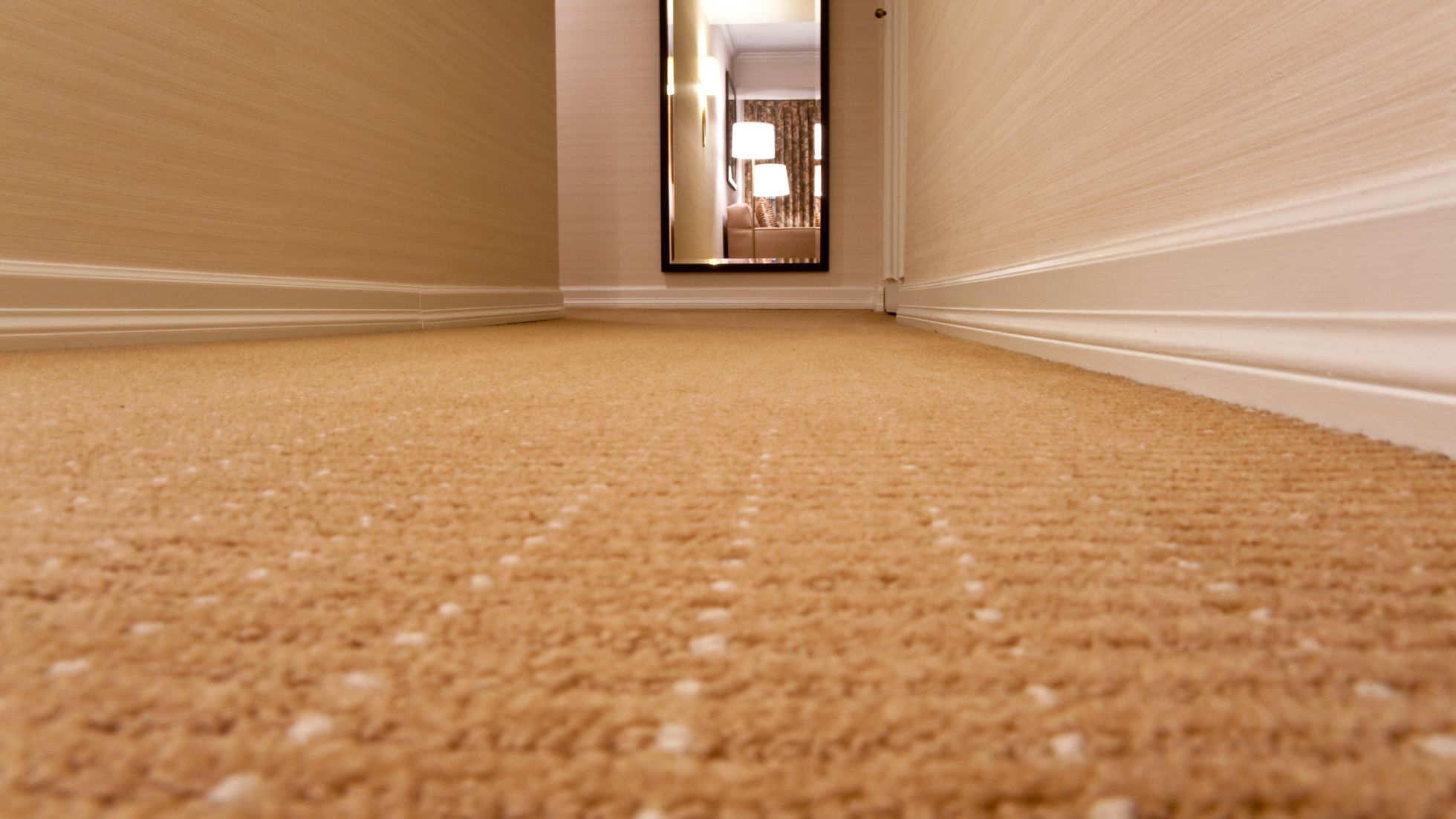
Phoenix carpets accumulate soil and allergens differently than homes in other climates due to Arizona’s unique environmental conditions. As local carpet cleaning professionals, understanding these specific challenges helps homeowners know when DIY surface treatments simply aren’t sufficient for the dust and allergen loads their floors constantly absorb.
Arizona’s Year-Round Allergy Season and 472 PPM Pollen Count
Phoenix experiences continuous allergy challenges unlike regions with defined seasonal patterns. Mild Arizona winters mean plants pollinate year-round, with peak exposure months occurring in April, May, and September according to local allergen monitoring. Fall 2024 proved particularly challenging, with medium to medium-high pollen levels throughout September.
Common Phoenix allergens include ragweed, chenopods, sagebrush, mulberry trees, olive trees, Bermuda grass, and winter juniper pollen. These allergen proteins track constantly into homes on shoes, pet paws, and through open doors and windows. Carpets act as passive filters trapping these particles, but vacuuming removes only surface material while proteins embedded in fiber depths continue triggering respiratory symptoms.
Research published by the National Center for Biotechnology Information confirms carpets contain significantly higher levels of dust, allergens, fungi, pet dander, and dust mites compared to hard flooring surfaces. DIY deodorizers mask smells without removing the actual allergen proteins causing health issues. Professional hot water extraction at 160-230°F denatures these proteins and physically removes them from carpet depths, providing genuine relief rather than temporary scent improvement.
For Phoenix households with allergy or asthma sufferers, professional cleaning every 3-4 months significantly improves indoor air quality and reduces symptoms. This frequency is necessary given Arizona’s perpetual allergen exposure rather than the 12-18 month intervals sufficient in climates with defined dormant seasons.
Monsoon Season and Haboob Dust Storms (June-September)
Arizona’s monsoon season brings massive dust storms called haboobs that penetrate homes and deposit fine particulate matter throughout interior spaces. These storms occur primarily from June through September, with dust particles under 10 microns penetrating not just carpet surface fibers but backing material and padding layers underneath.
Surface deodorizers only address the top visible layer while embedded dust continues causing respiratory irritation, visible soiling, and accelerated carpet wear. During active monsoon season, Phoenix homeowners should increase vacuuming frequency to 2-3 times weekly and schedule professional deep cleaning after major haboob events to remove dust that surface maintenance can’t reach.
Monsoon humidity, while temporary, creates conditions where dust combined with moisture can foster mold or mildew growth in carpet padding if not properly addressed. Professional assessment becomes particularly important after significant storms when water intrusion or extreme dust penetration occurs. Schedule post-monsoon professional cleaning in late September or early October to remove accumulated summer dust before winter indoor living intensifies.
Desert Dust, Traffic Patterns, and Accelerated Carpet Wear
Phoenix’s desert environment means constant fine dust infiltration regardless of season or weather patterns. Arizona’s year-round outdoor lifestyle brings more foot traffic and soil tracked indoors compared to climates where winter weather limits outdoor activity for months.
This constant exposure means Phoenix carpets soil faster than those in humid climates, tempting homeowners to over-use deodorizers to combat visible dirt and dusty smell. However, frequent deodorizer application causes residue buildup that actually makes soiling worse by creating sticky deposits that attract and hold additional dirt particles.
Professional maintenance schedules for Phoenix differ from national recommendations. Arizona homes generally need professional deep cleaning every 6-12 months compared to 12-18 month intervals in other regions. High-traffic areas like entryways and hallways may benefit from professional spot cleaning between whole-house services. Regular professional maintenance extends carpet life by 3-5 years on average, offsetting cleaning costs through delayed replacement expenses that can range from $2,000-$8,000 depending on home size and carpet quality.
When to Skip DIY and Call IICRC-Certified Professionals
As professional cleaners who provide DIY advice, transparency about homemade solution limitations matters more than generating service calls. Some situations genuinely require commercial-grade equipment, professional cleaning chemistry, and certified technician expertise for effective resolution and long-term carpet protection.
Pet Urine, Deep Odors, and Subfloor Contamination
Surface deodorizers fail completely with pet urine because liquid penetrates through carpet into padding and potentially subfloor material underneath. Urine crystals remain chemically active and reactivate with humidity or heat, causing odors to return or intensify despite surface treatment. Deodorizer powder only masks the smell temporarily without addressing the source.
Professional pet odor treatment involves UV light detection to locate all affected areas including spots not visible to the naked eye, enzymatic treatments specifically formulated to break down urine crystal molecular structure, padding replacement when contamination is severe, and subfloor sealing to prevent odor transmission through flooring material. Professional pet odor removal services typically range from $150-$300 depending on severity and affected area size.
Attempting DIY solutions repeatedly ($20-50 per attempt) often exceeds professional treatment costs without solving the underlying problem. Phoenix’s desert heat intensifies urine odor reactivation significantly during summer months, making professional treatment particularly valuable for preventing recurring issues. Red flag indicators include odor returning after cleaning attempts, smell intensifying during hot weather or monsoon humidity, and pets returning repeatedly to the same spots.
Allergy and Asthma Symptoms Despite “Clean” Carpets
When carpets appear clean and smell fresh but household members still experience respiratory symptoms, the issue lies below the surface where DIY methods cannot reach. Dust mites, pet dander particles, and pollen proteins embed in carpet depths of 3-5mm, well beyond vacuum suction penetration for standard residential equipment.
Surface deodorizing and regular vacuuming remove approximately 10-20% of embedded allergens according to indoor air quality research, leaving the majority of irritants trapped in carpet fibers and backing material. Professional deep cleaning using hot water extraction penetrates to carpet backing, with water temperatures of 160-230°F denaturing allergen proteins and physically removing up to 95% of embedded contaminants.
Studies show professional carpet cleaning reduces asthma symptoms, improves indoor air quality measurements, and can decrease allergy medication dependency for sensitive individuals. Given Phoenix’s 472 PPM average pollen count and year-round exposure, local allergy sufferers benefit significantly from professional cleaning every 3-4 months. While professional services typically cost $120-$400 per session depending on home size, this investment costs less than months of allergy medications and lost work or school days from persistent symptoms.
After Major Events: Flooding, Sewage, Fire Smoke, Major Dust Storms
Certain situations require professional response for health, safety, and insurance purposes. Many insurance policies mandate professional cleaning and restoration documentation for claims processing after water damage, sewage backup, or fire smoke contamination. Contaminated water, smoke residue, and extreme dust loads pose health risks that DIY cleaning cannot adequately address given the specialized equipment and safety protocols required.
IICRC certification ensures technicians receive proper training in contamination protocols, drying procedures, sanitization requirements, and safety measures for hazardous situations. Commercial air movers, industrial dehumidifiers, truck-mounted extraction systems, and professional-grade sanitizers exceed DIY rental equipment capabilities significantly.
Time sensitivity is critical since mold develops within 24-48 hours of water exposure, potentially turning a manageable cleaning situation into an extensive remediation project. Phoenix scenarios requiring immediate professional response include post-haboob dust throughout the entire home, monsoon flooding or water intrusion, sewage backup from plumbing failures, and fire damage smoke residue. Same-day emergency professional response typically costs $200-$600 but prevents $5,000-$15,000 in mold remediation and material replacement expenses.
Pre-Sale Home Preparation and Property Management
Real estate professionals understand that professional carpet cleaning before listing delivers significant return on investment. Fresh, professionally cleaned carpets signal well-maintained property to potential buyers, contributing to faster sales and higher offers. The modest investment in professional cleaning (typically $150-$400 for average homes) returns 100-300% through improved buyer perception and reduced negotiation over carpet replacement.
Property management companies often require professional cleaning between tenants with certification documentation proving service completion to proper standards. This protects both landlord and tenant interests while establishing baseline condition for new occupancy. Commercial cleaning services for offices and retail environments require professional maintenance for employee health, customer impression, and lease compliance with building management standards.
Move-in and move-out situations benefit from professional cleaning documentation that protects security deposits and establishes clear property condition records. Property managers and real estate professionals typically receive preferred pricing for multiple properties or recurring service relationships.
Professional Carpet Cleaning vs DIY Deodorizing: Honest Comparison
Breaking down actual costs and value reveals professional cleaning often delivers better long-term value than frequent DIY deodorizing when equipment risk, time investment, and genuine effectiveness are calculated properly.
DIY deodorizing makes sense for weekly freshening between professional services, addressing minor surface odors from cooking or everyday activity, quick spot treatments for small spills caught immediately, and budget maintenance for low-traffic guest rooms. The supplies cost approximately $20-50 initially, with time investment of 2-4 hours per whole-house application including preparation, treatment, and thorough vacuuming.
However, DIY approaches carry hidden costs including vacuum damage potential ($300-600 in repair expenses), effectiveness limited to surface odors with results lasting only 1-2 weeks before odors return, minimal health benefits since allergens remain embedded, and potential carpet fiber damage from residue buildup that accelerates wear. Annual DIY costs can reach $240-600 when frequent applications are needed, especially after factoring in equipment damage risk.
Professional cleaning becomes necessary every 6-12 months as baseline Phoenix maintenance for dust and allergen removal, every 3-4 months for allergy and asthma sufferers, for pet odor elimination beyond surface accidents, after dust storms or monsoon events, for pre-sale home preparation or tenant turnover requirements, when carpets look clean but allergy symptoms persist, and for carpet warranty compliance since many manufacturers require professional cleaning documentation.
Professional services for average Phoenix homes typically range from $120-$400 per service depending on square footage and specific needs. Time investment is zero for homeowners since certified technicians handle all work. Effectiveness includes deep cleaning that lasts 3-6 months with proper maintenance, significant health benefits through allergen protein removal and indoor air quality improvement, and extended carpet lifespan of 3-5 years beyond typical wear expectations. Professional cleaning also includes zero risk to homeowner equipment, certified technician expertise in handling different carpet types and soil conditions, and eco-friendly, pet-safe product options for environmentally conscious families.
The smart strategy combines both approaches: use DIY deodorizers sparingly for weekly freshening between professional services, limiting application to once monthly maximum to prevent residue buildup, and schedule professional deep cleaning every 6-12 months depending on household factors like pets, allergies, and Phoenix dust exposure levels. This combined approach maximizes carpet longevity and family health at reasonable total annual investment.
All service timelines and pricing ranges are provided for general information only. Actual service duration and costs will depend on the specific cleaning needs, surface condition, square footage, and agreed-upon scope of services as set forth in the written service agreement.
Frequently Asked Questions
Phoenix homeowners frequently ask these questions about carpet deodorizing, professional cleaning services, and Arizona-specific maintenance challenges. Answers come from certified cleaning technicians with extensive Phoenix metro area service experience.
How often should Phoenix carpets be professionally cleaned with all the dust?
Phoenix carpets need professional deep cleaning every 6-12 months due to constant desert dust accumulation, compared to 12-18 month intervals sufficient in other climates. Households with allergy or asthma sufferers should schedule cleaning every 3-4 months during peak pollen seasons (April-May, September). After major haboob dust storms during June-September monsoon season, schedule professional extraction to remove embedded dust that vacuuming and DIY deodorizers cannot reach effectively. High-traffic entryways and hallways may benefit from professional spot treatment between full-house services given Arizona’s year-round outdoor lifestyle and constant soil tracking.
What’s the best way to deodorize carpets after Arizona dust storms?
After haboobs, vacuum thoroughly 2-3 times to remove loose surface dust before applying any deodorizer treatment. Use the post-dust storm recipe combining baking soda, cornstarch, and eucalyptus oil for surface layer freshening. However, if dust penetrated throughout your home visibly or family members experience increased respiratory irritation after storms, DIY deodorizing only addresses the surface layer. Desert dust particles under 10 microns embed deep in carpet backing and padding material, requiring professional hot water extraction equipment operating at 160-230°F for complete removal and restoration.
Does Phoenix’s year-round allergy season mean I need professional carpet cleaning more often?
Yes, absolutely. Phoenix’s 472 PPM average pollen count and perpetual allergen exposure from ragweed, sagebrush, olive trees, and Bermuda grass means carpets accumulate allergen proteins constantly rather than during limited seasonal windows. Professional hot water extraction denatures these proteins through high temperature and physically removes dust mites, pet dander, and pollen that DIY deodorizers simply cannot address. For Phoenix households with allergy or asthma sufferers, quarterly professional cleaning significantly improves indoor air quality and reduces symptoms, with the investment costing less than months of allergy medications and lost productivity from persistent respiratory issues.
Is baking soda safe for carpets and vacuum cleaners?
Baking soda is generally safe for carpet fibers when used sparingly and properly, but poses serious risks to vacuum cleaner motors and internal components. The fine particles (50-70 microns) bypass most vacuum filters, infiltrate sealed motor housings, clog HEPA filtration systems, and oxidize metal components over time. Major manufacturers including Dyson and Shark explicitly warn against baking soda use, with violations potentially voiding product warranties. Vacuum motor replacement typically costs $300-600, while professional eco-friendly deodorizing services avoid equipment damage entirely while delivering superior deep-cleaning results. If you choose to use baking soda, apply extremely lightly, vacuum with an older or inexpensive machine first, then finish with your quality vacuum for final cleaning passes.
Are DIY carpet deodorizers safe for dogs and cats?
Safety depends entirely on ingredients used. Baking soda and cornstarch bases are generally safe for pets. Essential oils require significant caution since tea tree, eucalyptus, and peppermint can cause liver damage in cats due to missing metabolizing enzymes, while concentrated oils on paws irritate dog skin and ingestion causes gastrointestinal upset. Use essential oils sparingly (maximum 10-20 drops per 2 cups powder base), let deodorizer sit only 15-20 minutes, vacuum thoroughly before allowing pets back on treated carpets, and keep pets out of rooms during treatment application. For homes with cats or pets with known sensitivities, consider professional pet-safe deodorizers that use EPA-registered, veterinarian-approved products extensively tested for toxicity.
What makes professional carpet cleaning “eco-friendly” in Phoenix?
Certified professional services use plant-based, biodegradable cleaning solutions that are non-toxic and safe for children, pets, and environmentally sensitive household members while meeting EPA environmental standards. Eco-friendly professional products contain no harsh chemicals, phosphates, or volatile organic compounds (VOCs) that can degrade indoor air quality. Hot water extraction removes allergens, dust, and contaminants without chemical residue remaining in carpet fibers after cleaning. Reputable companies provide transparency about product ingredients and safety data sheets upon request. Professional eco-friendly carpet cleaning delivers deeper cleaning than DIY methods while maintaining environmental responsibility valued by Phoenix families.
What’s the difference between professional carpet cleaning equipment and DIY methods?
Professional truck-mounted extraction systems heat water to 160-230°F compared to 120-140°F maximum for consumer rental machines, while generating 100-500 PSI pressure and vacuum power that pulls embedded dirt, allergens, and contaminants from deep carpet fibers and backing material. Commercial equipment removes 95%+ of soil compared to 30-50% removal rates for consumer machines. Certified technicians understand different carpet fiber types, proper cleaning chemistry for specific soils, moisture control to prevent over-wetting problems, and rapid drying procedures. Professional results include significantly faster drying (2-4 hours versus 12-24 hours for rentals), genuinely deep cleaning that reaches carpet backing, and longer-lasting freshness that extends months rather than weeks.
What does IICRC certification mean for Phoenix carpet cleaning?
IICRC (Institute of Inspection, Cleaning and Restoration Certification) represents the global standard for professional cleaning industry qualifications. Certification requires rigorous training in carpet fiber identification, cleaning chemistry science, equipment operation, stain removal techniques, and safety protocols outlined in the ANSI/IICRC S100 Standard. Certified technicians complete continuing education to maintain current credentials and industry best practices knowledge. For Phoenix homeowners, IICRC certification ensures technicians understand Arizona-specific challenges including dust management, allergen removal, and desert climate considerations. Certification also ensures proper techniques that protect carpet manufacturer warranties, unlike unlicensed operators who may use methods that void coverage.
Is professional carpet cleaning worth the cost compared to DIY deodorizing?
Professional cleaning ($120-400 annually depending on service frequency) delivers value DIY deodorizing ($240-600 annually including supplies and potential vacuum damage) cannot match. Benefits include genuine allergen removal that improves family health rather than temporary scent masking, deep cleaning that extends carpet life 3-5 years and delays $2,000-8,000 replacement expenses, significant time savings (4+ hours per cleaning session), carpet warranty compliance documentation, and permanent elimination of deep odors versus temporary surface freshening. For Phoenix homes specifically, professional services address desert dust and allergen loads that DIY surface treatments simply cannot handle effectively. The smart approach combines DIY freshening between professional services to maximize total value and carpet longevity.
Does Barefoot Clean Floors offer guarantees on carpet cleaning services?
Yes, Barefoot Clean Floors provides a 100% customer satisfaction guarantee on all professional cleaning services. If you’re not completely satisfied with cleaning results, we’ll return within 24 hours to re-clean any areas of concern at no additional charge. Our IICRC-certified technicians use proven methods and eco-friendly, non-toxic solutions that deliver consistent, professional results across all carpet types. We guarantee our work complies with carpet manufacturer maintenance requirements, protecting your warranty coverage. For Phoenix homeowners, this means risk-free professional cleaning with the assurance that our local business reputation depends entirely on your satisfaction and referrals to friends and neighbors.
Do you offer same-day carpet cleaning in Phoenix for emergencies?
Yes, Barefoot Clean Floors provides same-day and emergency carpet cleaning throughout the Phoenix metro area including Scottsdale, Tempe, Mesa, Chandler, Gilbert, Glendale, Peoria, Surprise, and surrounding Maricopa County communities. Emergency situations include pet accidents requiring immediate attention, post-party spills needing quick resolution, water damage from monsoon storms, pre-showing home preparation for real estate listings, and sudden allergy flare-ups requiring urgent allergen removal. Call (602) 603-4781 before noon for same-day service availability. For routine maintenance cleaning allowing more scheduling flexibility, we recommend booking 1-2 weeks in advance, especially during busy spring and fall seasons when demand is highest.
What areas does Barefoot Clean Floors serve in Arizona?
Barefoot Clean Floors serves the greater Phoenix metro area and Maricopa County, including Phoenix, Scottsdale, Tempe, Mesa, Chandler, Gilbert, Glendale, Peoria, Surprise, Avondale, Goodyear, Buckeye, Queen Creek, and surrounding Arizona communities. Our certified technicians understand Arizona’s unique climate challenges, dust management requirements, monsoon season considerations, and year-round allergen exposure affecting carpet maintenance needs. We provide residential services including carpet cleaning, tile and grout restoration, and upholstery cleaning, plus commercial services for offices, retail spaces, and business facilities. Our service radius extends approximately 50 miles from central Phoenix. Call (602) 603-4781 to confirm service availability for your specific Arizona location.
Professional Phoenix Carpet Care: Making the Right Choice
DIY carpet deodorizers serve an important role in Phoenix home maintenance by providing weekly freshening capabilities, masking light everyday odors, and extending time between professional deep cleaning services. The recipes in this guide work effectively for surface care when used correctly, safely, and with full understanding of both their benefits and significant limitations.
However, Arizona’s unique environmental challenges demand more than surface-only solutions for long-term carpet health and family wellness. With Phoenix’s 472 PPM average pollen count, year-round allergen exposure, June-September monsoon dust storms, and relentless desert heat, carpets accumulate contaminants that deodorizing powders simply cannot address at depths where these particles embed. Deep-seated allergens continue triggering asthma and allergy symptoms despite fresh-smelling carpet surfaces. Baking soda residue damages expensive vacuum equipment and accelerates carpet fiber wear. Pet odors resurface during summer heat waves because DIY surface methods don’t reach contaminated padding and subfloor materials.
Professional IICRC-certified carpet cleaning becomes essential for Phoenix homeowners who want genuine deep cleaning rather than temporary scent improvement. Barefoot Clean Floors combines eco-friendly, non-toxic cleaning solutions safe for children and pets with commercial-grade equipment operating at 160-230°F that removes 95%+ of allergens, embedded dust, and contaminants. Our certified technicians understand Phoenix-specific challenges including monsoon aftermath, haboob dust penetration, and year-round pollen management. We deliver proven results that DIY surface methods cannot replicate, backed by our 100% satisfaction guarantee and years of trusted Phoenix service.
For professional Phoenix carpet cleaning that addresses Arizona’s unique challenges with eco-friendly solutions and certified expertise, call (602) 603-4781 or visit barefootcleanfloors.com for a free consultation and service quote. Same-day emergency service is available throughout the Phoenix metro area for urgent situations. Ask about our maintenance programs designed specifically for allergy-prone Phoenix households and satisfaction guarantee that ensures your complete confidence in our certified technicians’ work.
Your carpets deserve more than surface freshening. They deserve professional care from Phoenix area experts who understand Arizona’s climate challenges and deliver genuine deep cleaning results your family can feel.
Sources
Industry Certification and Standards
-
IICRC S100 Standard for Professional Cleaning – Professional carpet cleaning procedures, methods, and safety protocols
-
IICRC Carpet Cleaning Technician Certification – Technician training requirements and industry best practices
Health and Environmental Authorities
-
EPA Indoor Air Quality – Biological Pollutants – Impact of carpets on indoor air quality and allergen exposure
-
EPA Introduction to Indoor Air Quality – General indoor air quality principles and improvement strategies
-
NCBI Carpet Research Study – Peer-reviewed research on carpets as allergen repositories
Phoenix Allergen and Climate Data
-
AAFA 2025 Allergy Capitals Report – National allergy season data and Phoenix area conditions
-
Wyndly Phoenix Allergy Information – Year-round Phoenix allergy season and common allergens
-
Axios Phoenix Fall Allergies Report – Fall 2024 Phoenix allergen levels and seasonal challenges
-
Allermi Best and Worst States for Pollen – Arizona’s 472 PPM average pollen count data
Arizona Climate Cleaning Resources
-
Allaman Clean Monsoon Carpet Care – Monsoon season and haboob dust storm carpet maintenance guidance
Equipment Safety Information
-
Zerorez Baking Soda Vacuum Safety – Vacuum manufacturer warnings and equipment damage risks
Pet Safety Resources
-
ASPCA Animal Poison Control – Essential oil toxicity information for pets
Service Consultation Disclaimer
This article provides general information about carpet deodorizing and professional cleaning services and should not be considered as specific service recommendations for your property. Cleaning needs, methods, and procedures vary significantly based on individual circumstances, carpet types, soil conditions, and specific maintenance requirements. Service schedules, cleaning timelines, and procedures can be affected by many factors specific to each Phoenix area property.
All service timelines and pricing ranges are provided for general information only. Actual service duration and costs will depend on the specific cleaning needs, carpet condition, square footage, and agreed-upon scope of services as set forth in the written service agreement.
For free consultation and professional cleaning assessment for your specific Phoenix area property, contact Barefoot Clean Floors at (602) 603-4781. Our IICRC-certified cleaning technicians will provide personalized service recommendations based on your specific carpet maintenance needs and property requirements. No service commitment is created by reading this article.
