
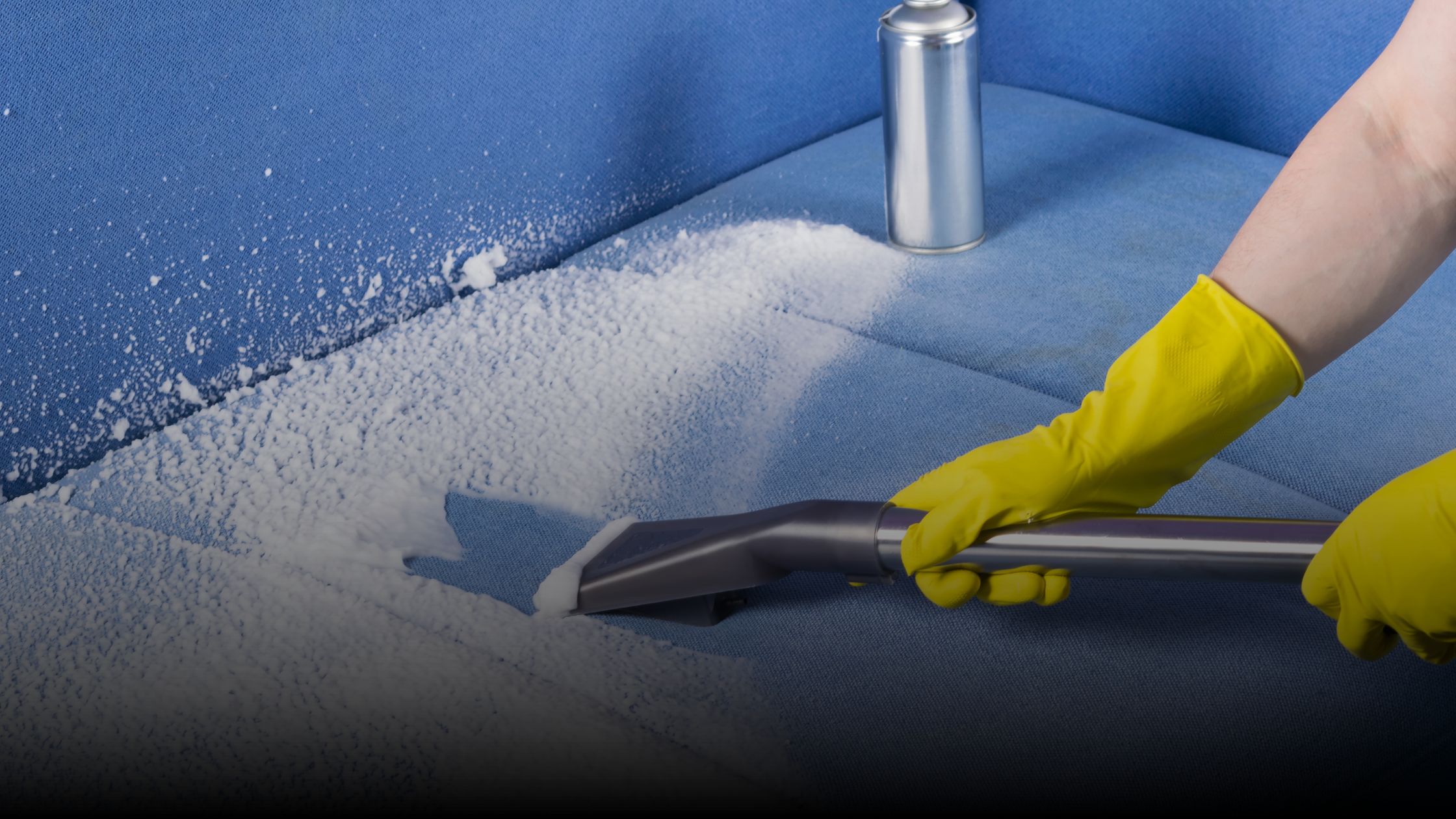

You just spilled a full cup of coffee on your $2,000 sectional sofa—and it’s spreading deeper into the fabric fibers as you read this. In Phoenix’s 30% humidity and intense Arizona heat, coffee stains containing tannins crystallize and bond at molecular levels 2-3 times faster than other climates, transforming surface spills into permanent damage within 48 hours. Yet most DIY guides treat emergency coffee spills as simple vinegar-and-water problems, completely missing the tannin chemistry preventing DIY success and the Arizona climate factors accelerating permanent staining.
Key Information
Coffee stains differ fundamentally from basic dirt because they contain tannins—brown plant compounds that chemically bond to fabric fibers at molecular levels. In Phoenix’s unique desert climate with 30% humidity (versus 50-70% nationally), tannins crystallize and permanently bond to furniture much faster than homeowners expect. The critical urgency window is 0-24 hours for effective DIY treatment with 80-90% success rates. After 24-48 hours, professional three-stage chemistry becomes necessary as molecular bonding advances beyond DIY capability. Delays beyond 48 hours create essentially permanent staining requiring specialized professional oxidizing agents with uncertain outcomes. Understanding this urgency timeline and Arizona climate acceleration becomes essential for preventing $1,500-4,000+ furniture replacement costs.
Overview
This comprehensive guide addresses complete coffee stain management for Phoenix-area homeowners and business owners facing fresh spills requiring urgent intervention. The content covers immediate DIY blotting and vinegar treatment for fresh spills (0-24 hour window), transparent explanation of tannin chemistry preventing DIY success on older stains, professional three-stage removal methodology using acid-based pre-treatment and oxidizing agents, Arizona climate factors accelerating stain permanence, eco-friendly certified solution benefits, professional equipment advantages, certified technician expertise preventing fabric damage, emergency same-day service availability capturing critical urgency windows, and cost-benefit analysis showing professional service as financial protection rather than discretionary upgrade. Whether addressing a fresh spill during working hours, facing a weekend coffee accident, or managing commercial property appearance, this Phoenix-specific guide provides actionable urgency-driven solutions backed by professional expertise and local climate knowledge.
Understanding Coffee Stains in Phoenix’s Unique Climate
 Arizona’s arid climate creates a fundamentally different stain environment than humid regions where DIY methods remain effective 72+ hours. Phoenix’s 30% summer humidity (compared to 50-70% nationally) prevents natural moisture barriers that slow tannin crystallization in other climates. This climate-specific acceleration creates an urgent 0-24 hour DIY treatment window before permanent damage occurs—a compressed timeline national guides completely ignore when recommending generic vinegar treatments as universal solutions.
Dust storm season (June-September) compounds coffee stain severity through combined contamination. Phoenix dust storms deposit fine particles throughout homes, settling on furniture within 48 hours. When combined with fresh coffee spills, dust particles create dual-layer staining requiring different removal methods. Professional equipment extracts both surface coffee residue and embedded dust particles; DIY vacuuming addresses only surface dust, leaving tannin stains and particle embedding underneath. This seasonal consideration unique to Arizona requires professional intervention expertise.
Phoenix’s 300+ annual sunshine days accelerate fabric deterioration 2-3 times faster than national averages. Direct UV light weakens cotton, synthetic, and natural fibers, making them more susceptible to stain bonding at molecular levels. Weakened fabrics accept tannin staining more readily, creating permanent damage from spills that cause only surface-level staining in other climates. Delicate materials like silk, velvet, and cashmere blends become particularly vulnerable in Arizona’s intense sun conditions.
How Arizona’s Low Humidity Accelerates Tannin Crystallization
Coffee contains tannins (brown plant compounds bonding at molecular levels to fabric fibers). Humid climates (50-70% humidity) allow moisture to prevent tannin crystallization, keeping stains removable 72+ hours. Phoenix’s 30% summer humidity prevents this natural moisture barrier, causing tannin molecules to crystallize and permanently bond to fibers within 48 hours. This climate-specific acceleration creates an urgent 0-24 hour DIY treatment window before permanent damage occurs. National guides ignoring this climate difference mislead Phoenix homeowners into believing DIY vinegar remains effective 72 hours when Arizona conditions eliminate that window entirely.
Professional Equipment Advantage: Drying Speed and Moisture Management
Consumer steam cleaners leave 60-70% cleaning solution residue in fabric, requiring 24-48 hours drying time. Residual moisture creates ideal conditions for mold, bacterial growth, and sticky residue attracting future dirt. Professional low-moisture hot carbonating extraction removes 85-95% of cleaning solution, drying furniture 1-3 hours. This dramatic difference prevents mold risk critical in Arizona’s June-September monsoon humidity, allows same-day furniture use, and eliminates sticky residue problems DIY methods create. Equipment investment represents significant professional advantage DIY rentals cannot match.
IICRC Certification Standards for Professional Expertise
IICRC-certified technicians receive 100+ hours specialized training covering fabric identification (40+ types), stain chemistry, equipment operation, and damage prevention protocols. Arizona-specific challenges (dust storm cleanup, tannin crystallization, delicate fabric handling in intense sun) require certification-level expertise to prevent fabric damage. Certification requires demonstrated knowledge of three-stage tannin removal, appropriate chemical selection, fabric-specific applications preventing damage, and equipment safety. Barefoot Clean Floors’ certified technicians possess expertise homeowners and uncertified services cannot replicate.
Tannin Chemistry Explained—Why DIY Methods Fail on Set-In Stains
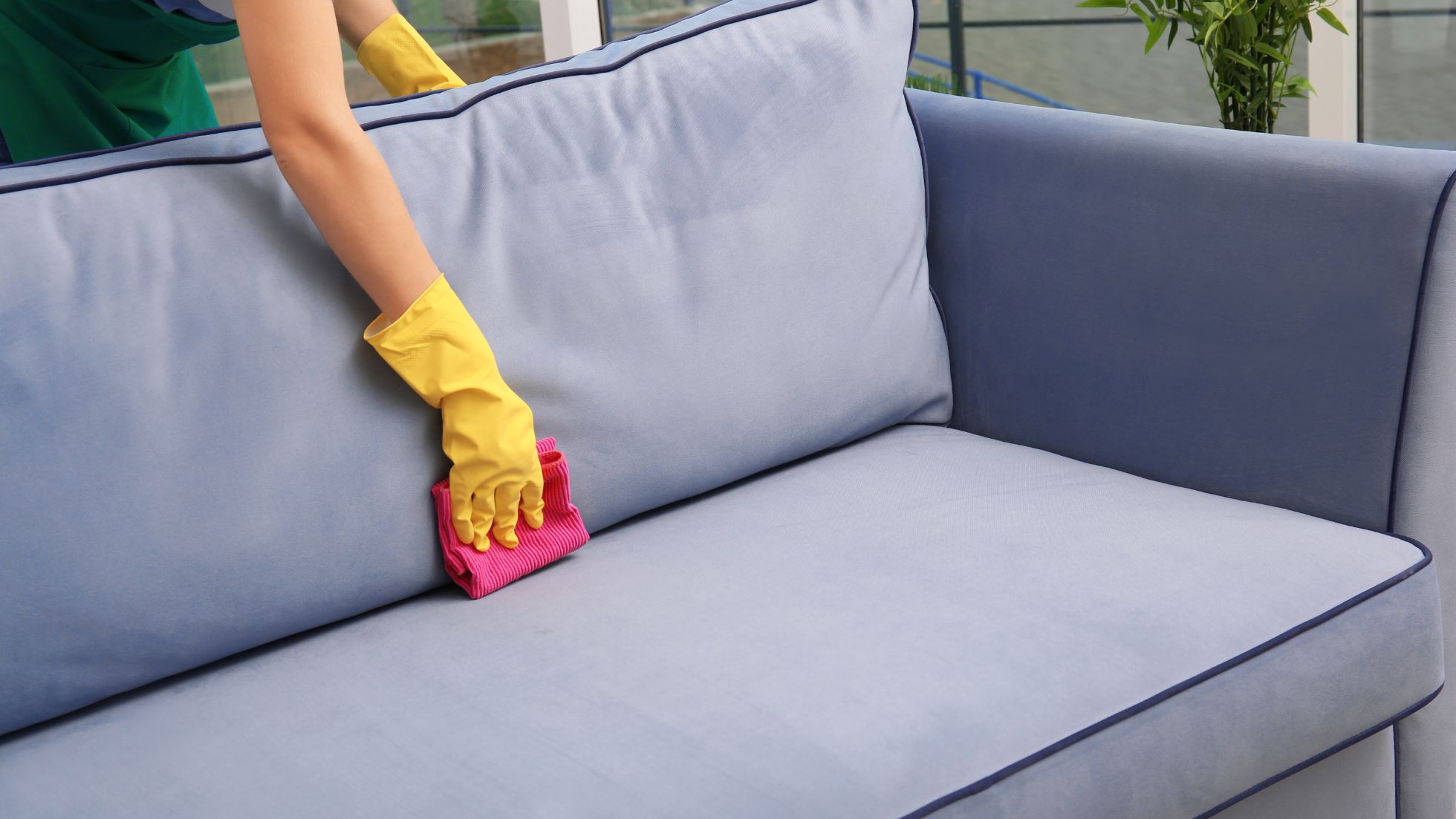 Professional tannin removal requires three sequential chemistry stages that DIY vinegar cannot replicate. Understanding this chemistry gap explains why professional service becomes necessary 48+ hours after spills occur. This knowledge gap represents the most significant competitive advantage preventing DIY success and justifying professional investment.
Stage One: Professional Detergent and Surface Stain Removal
Professional-grade detergent formulations (pH 10-11 balanced for fabric compatibility) break down loosely bonded surface tannins and stain residue. Application pressure and technique prevent fiber damage DIY methods often cause. Professional detergent remains on fabric 15-20 minutes allowing chemical action before extraction. This differs from consumer laundry detergent (wrong pH, fabric damage risk) or vinegar (insufficient cleaning power on aged stains). This stage removes 40-50% of visible stain, preparing surface for deeper molecular treatment.
Stage Two: Acid-Based Tannin Remover for Molecular Bond Dissolution
Professional acid-based tannin removers (pH 3-4 formulation) dissolve tannin molecules crystallized and bonded at fiber molecular levels. This chemistry cannot be replicated by vinegar (too weak), baking soda (wrong chemical approach), or consumer cleaners (formulated for different stain types). Tannin remover sits 20-30 minutes allowing molecular-level dissolving before extraction. This stage requires professional application expertise preventing fabric damage from acid exposure. Removes 30-40% of remaining stain by breaking molecular bonds DIY methods cannot access.
Stage Three: Oxidizing or Reducing Agent Bleach Eliminating Residual Discoloration
After tannin molecules dissolve, oxidizing agent bleach completes removal by eliminating remaining discoloration. Professional formulations use hydrogen peroxide-based or enzyme-based oxidizing agents appropriate for fabric type. Carefully controlled application prevents bleaching or fiber damage. This stage removes 10-20% of remaining discoloration, completing three-stage removal. Without this final stage, faint stain shadows remain visible. DIY methods never reach this stage, leaving permanent visible staining.
Why Vinegar Works Fresh but Fails on Set-In Stains
Vinegar addresses surface tannin residue through acidic chemical reaction breaking down loosely bonded surface stains (0-24 hour window with 80-90% success). This effectiveness window exists only before tannin molecules crystallize through dehydration and permanent molecular bonding. After 48 hours in Arizona’s dry climate, tannin molecules complete crystallization and bond permanently to fiber structure at molecular levels—beyond vinegar’s chemical capability. At this stage, professional acid-based pre-treatment becomes necessary to re-dissolve crystallized tannins before oxidizing agents eliminate remaining discoloration. Explaining this chemistry gap justifies professional service for older stains.
Tannin Bonding at Molecular Level Preventing Water-Based DIY Success
Tannins are lipophilic (dissolve in oils, not water), meaning water-based DIY vinegar cannot penetrate deeply bonded tannin molecules. Professional solvent-based or acid-based treatments dissolve tannins chemically through molecular-level action water cannot achieve. This scientific principle explains why aggressive scrubbing or extended vinegar soaking fails—water simply cannot break molecular tannin bonds. Professional chemistry understanding becomes essential for 48+ hour old stains where molecular bonding prevents water-based treatment effectiveness.
DIY Response Strategies for Fresh Coffee Spills (0-24 Hour Window)
The first 24 hours represent the only effective DIY intervention window. Every minute delay allows tannins deeper into fiber structure. Acting immediately captures the 80-90% success rate window where DIY treatment prevents professional necessity and furniture loss.
Immediate Blotting Technique (Minutes 0-5)
Time is critical; every minute delay allows tannins deeper into fiber structure. Immediately blot (never rub) with clean, white cloth from stain edges toward center, preventing spread. Use cold water for initial blotting (temperature prevents tannin molecules from heat-bonding more permanently). Change cloth frequently, continuing until moisture stops transferring to cloth. Blotting removes 30-40% of fresh spill within first five minutes; delayed response dramatically reduces effectiveness.
Vinegar-Water Solution Treatment (First 2-4 Hours)
Mix 1 part white vinegar to 1 part cold water in spray bottle. Lightly spray affected area (do not oversaturate). Let sit 5-10 minutes. Blot thoroughly with clean cloth. This treatment works effectively on fresh tannins before crystallization, removing 40-50% of stain within 2-4 hour window. For delicate fabrics, test solution on inconspicuous area first. Vinegar smell dissipates as fabric dries (4-6 hours).
All service timelines and pricing ranges are provided for general information only. Actual service duration and costs will depend on the specific cleaning needs, surface condition, square footage, and agreed-upon scope of services as set forth in the written service agreement.
Hydrogen Peroxide Treatment for Light Fabrics (If Vinegar Insufficient)
Mix 1 tablespoon mild dish soap with 2 cups 3% hydrogen peroxide. Apply to remaining stain area. Allow 10-15 minute sit time. Blot and rinse with cold water. This oxidizing approach removes additional discoloration after vinegar treatment. Warning: Test on inconspicuous area first as hydrogen peroxide can bleach dark fabrics. Avoid on delicate materials (silk, velvet). This step addresses 30% of remaining stain after vinegar treatment.
Drying Procedure Preventing Mold and Residue
Allow furniture to air-dry naturally in ventilated area (prefer outdoors in Phoenix’s dry climate). Avoid heat sources or hair dryers accelerating tannin bonding. Complete drying requires 24-48 hours with DIY methods due to moisture saturation. Open windows, use fans, consider professional low-moisture equipment if available. Incomplete drying creates ideal mold conditions within Arizona’s monsoon humidity (June-September peak).
All service timelines and pricing ranges are provided for general information only. Actual service duration and costs will depend on the specific cleaning needs, surface condition, square footage, and agreed-upon scope of services as set forth in the written service agreement.
When to Stop DIY and Call Professional (24+ Hour Mark)
If stain remains visible after 24 hours of DIY treatment, tannin crystallization has begun preventing DIY removal success. At this point, professional three-stage chemistry becomes necessary. Continued DIY attempts risk pushing stain deeper into fibers or creating water damage and mold from over-saturation. Professional intervention at 24-48 hour mark achieves 40-50% removal success; delays beyond 48 hours reduce success significantly. Understanding this clear transition point helps homeowners make informed decisions preventing furniture damage.
Professional Tannin Stain Removal—Three-Stage Process and Equipment Advantage
Professional intervention becomes not just helpful but essential when DIY methods reach their chemical limitations. The difference between professional and DIY approaches lies not in effort but in molecular-level chemistry and specialized equipment.
Multiple Extraction Passes Removing Cleaning Residue
Professional hot carbonating extraction performs multiple extraction passes with high-pressure suction removing 85-95% of cleaning solution and tannin residue. Consumer rentals use single-pass extraction leaving 60-70% residue. This difference creates sticky residue attracting dirt and preventing permanent stain removal. Professional equipment investment ($10,000-30,000+) provides capability DIY rentals cannot match.
Drying Time Advantage: 1-3 Hours Professional vs. 24-48 Hours DIY
Professional low-moisture equipment dries furniture 1-3 hours, preventing mold growth risk in Arizona climate. DIY steam cleaners require 24-48 hours drying, creating ideal mold conditions during Arizona’s June-September monsoon humidity. This time advantage allows same-day furniture use and prevents secondary damage DIY methods create. Mold damage requires professional remediation or furniture replacement.
All service timelines and pricing ranges are provided for general information only. Actual service duration and costs will depend on the specific cleaning needs, surface condition, square footage, and agreed-upon scope of services as set forth in the written service agreement.
Certified Technician Fabric Expertise Preventing Damage
IICRC-certified technicians identify fabric type, assess condition, and select treatment chemistry and pressure appropriate for material. Delicate fabrics receive cold-water, low-agitation treatment. Hardy fabrics tolerate higher-pressure extraction. Professional liability insurance covers accidental damage—protection homeowners lack with DIY attempts. This expertise becomes essential on expensive furniture where one mistake ($1,500-4,000 replacement) eliminates years of service savings.
Emergency Same-Day Service—Capturing the Urgent 0-24 Hour Window
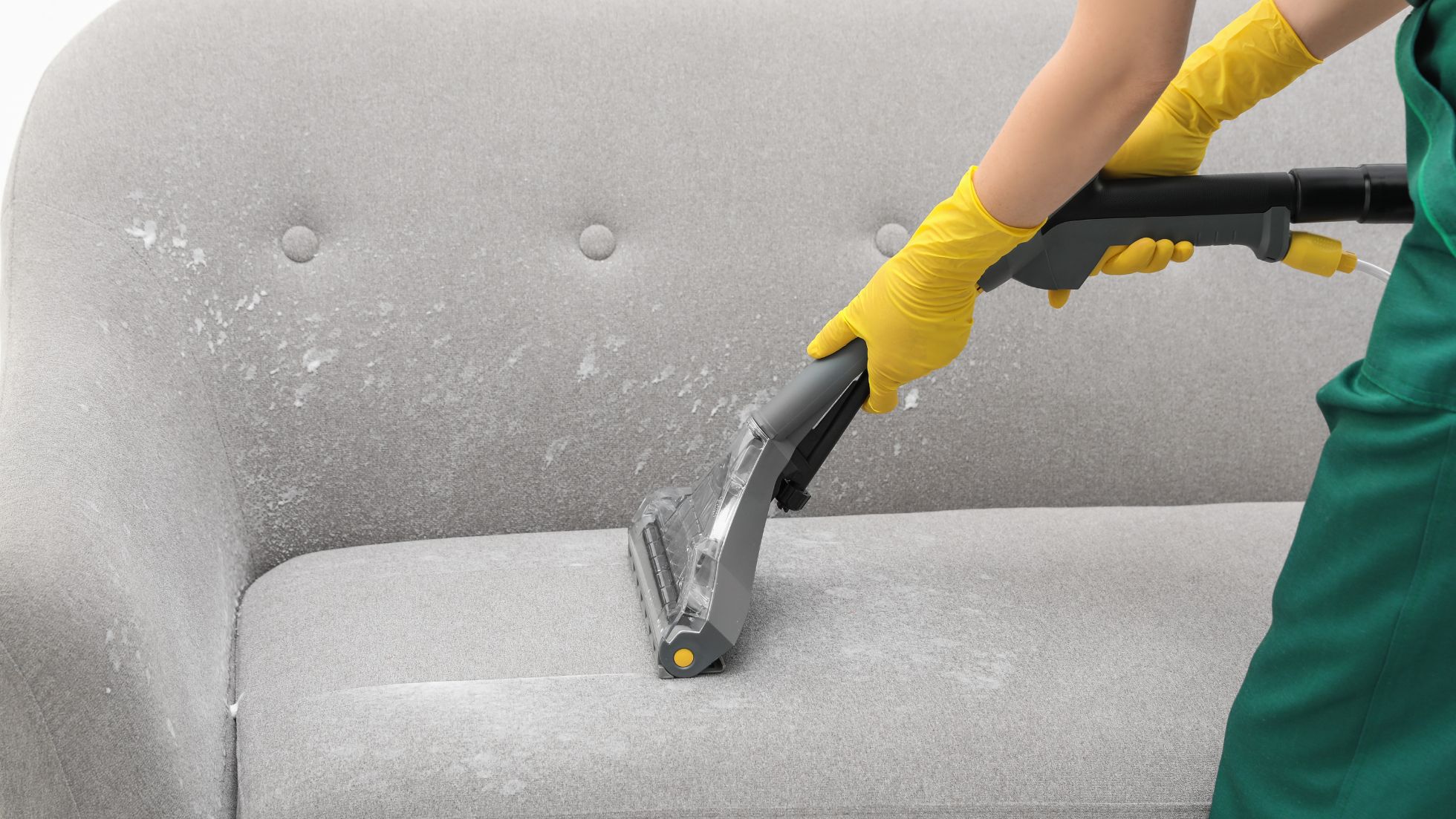 Time-critical urgency windows mean the difference between effective treatment and permanent furniture damage. Same-day professional response captures the window where successful stain removal remains possible.
The 0-24 Hour Success Window: 80-90% Professional Effectiveness
Fresh coffee spills (immediate to 24 hours) respond to professional treatment with 80-90% success rate because tannins remain loosely bonded before crystallization. This urgency window creates genuine emergency service demand. Delayed 24-48 hour response reduces success to 40-50% as molecular bonding begins. 48+ hour delays essentially guarantee permanent staining requiring professional three-stage chemistry with uncertain outcomes. Same-day emergency service availability captures this critical success window where delayed response means furniture loss.
All service timelines and pricing ranges are provided for general information only. Actual service duration and costs will depend on the specific cleaning needs, surface condition, square footage, and agreed-upon scope of services as set forth in the written service agreement.
Weekend and Evening Availability Addressing Residential Urgency
Home coffee accidents often occur weekends, evenings, or during work travel when standard Monday-Friday service unavailable. Barefoot Clean Floors’ weekend and evening emergency service ($50-100 premium) becomes financially rational when compared to $1,500-4,000 furniture replacement. Weekend emergency service prevents weekend guests encountering stained furniture. Evening emergency service addresses weekday accident requiring rapid weekend response.
All service timelines and pricing ranges are provided for general information only. Actual service duration and costs will depend on the specific cleaning needs, surface condition, square footage, and agreed-upon scope of services as set forth in the written service agreement.
Commercial Property Manager Urgency: Client-Facing Furniture Restoration
Office coffee spills create immediate professional appearance damage. Clients and colleagues notice stained furniture, undermining professional environment. Emergency same-day commercial cleaning restores appearance within hours, preventing reputation damage extending beyond furniture itself. Property managers justify premium service through business continuity and client perception management.
All service timelines and pricing ranges are provided for general information only. Actual service duration and costs will depend on the specific cleaning needs, surface condition, square footage, and agreed-upon scope of services as set forth in the written service agreement.
Same-Day Service Process and Scheduling Efficiency
Barefoot Clean Floors responds to emergency calls within 2-4 hours (central Phoenix area), providing rapid assessment, treatment planning, and execution. Same-day scheduling captures fresh-spill urgency window before crystallization completes. Professional response prevents hours of homeowner stress and repeated DIY failure attempts. Emergency premium ($50-100) reflects rapid dispatch cost and prioritized scheduling.
All service timelines and pricing ranges are provided for general information only. Actual service duration and costs will depend on the specific cleaning needs, surface condition, square footage, and agreed-upon scope of services as set forth in the written service agreement.
Cost-Benefit Analysis: $150-300 Professional vs. $1,500-4,000 Replacement
Typical coffee stain professional treatment costs $150-300; emergency premium adds $50-100 for same-day response. Sofa replacement costs $1,500-4,000; sectionals $3,000-6,000. One DIY failure (bleaching delicate fabric, pushing stain deeper, creating mold from over-saturation) costs multiple years of professional service savings through furniture loss. Same-day emergency service becomes financial protection, not discretionary upgrade. ROI dramatically favors professional response within urgency window.
All service timelines and pricing ranges are provided for general information only. Actual service duration and costs will depend on the specific cleaning needs, surface condition, square footage, and agreed-upon scope of services as set forth in the written service agreement.
Eco-Friendly Professional Solutions vs. DIY Ingredient Safety
Professional eco-friendly solutions differentiate through third-party certifications and toxicology verification competitors’ generic “safe” claims lack. This commitment to verified safety becomes essential for families with children and pets.
Third-Party Certification Standards: Green Guard and EPA Safer Choice
Professional eco-friendly solutions carry Green Guard certification (indoor air quality testing, VOC standards verification) or EPA Safer Choice certification (environmental impact and toxicology verification). These certifications require rigorous independent laboratory testing confirming safety claims—verification DIY vinegar and baking soda completely lack. Professional solutions undergo multi-stage testing ensuring child and pet safety in confined home environments.
Toxicology Testing and Long-Term Air Quality Safety
DIY vinegar and baking soda are inherently safe in typical usage amounts but lack toxicology testing for long-term indoor air exposure. Professional eco-friendly solutions undergo months of laboratory testing documenting long-term safety profile, VOC off-gassing rates, and cumulative exposure safety. This scientific verification becomes essential for homes with infants, toddlers, or immunocompromised family members where hidden safety concerns could create health consequences.
Professional Application Expertise Preventing Chemical Exposure
Trained and certified technicians understand proper dilution ratios, application amounts, and drying times preventing chemical concentration or residue. DIY application often involves over-concentration, excessive application, or improper drying creating residual chemical exposure homeowners don’t recognize. Professional expertise ensures thorough rinsing and complete drying preventing lingering chemical exposure.
Delicate Fabric Compatibility and Professional Chemistry Selection
Professional technicians select solution formulations appropriate for fabric type (silk, velvet, wool, synthetic). DIY vinegar works uniformly regardless of fabric, often causing damage on delicate materials. Professional solutions include fabric-specific formulations preventing damage. This expertise becomes critical on expensive furniture where wrong chemistry causes permanent damage.
Cost-Benefit Analysis and Professional Service Value Proposition
Reframing cost discussion from “expense vs. DIY” to “maintenance investment vs. furniture replacement” demonstrates clear financial rationale for professional intervention.
Fresh Spill Professional Cost ($150-300) vs. Furniture Replacement ($1,500-4,000)
Typical professional coffee stain treatment ranges $150-300 depending on furniture size, stain severity, and fabric type. This investment prevents sofa replacement ($1,500-4,000), sectional replacement ($3,000-6,000+), or partial reupholstering ($800-2,000). One successful professional intervention saves $1,300-5,700 furniture replacement. Emergency same-day premium ($50-100) becomes negligible compared to replacement cost.
All service timelines and pricing ranges are provided for general information only. Actual service duration and costs will depend on the specific cleaning needs, surface condition, square footage, and agreed-upon scope of services as set forth in the written service agreement.
DIY Failure Costs: Permanent Damage From One Mistake
DIY attempts risking permanent damage (bleaching delicate fabric, pushing tannin deeper, creating water damage and mold, shrinkage from high heat) eliminate years of professional service savings through single furniture loss. One $2,000 sofa destroyed by DIY mistake costs approximately 13 years of annual professional cleaning savings. Professional expertise preventing damage becomes financial protection, not luxury premium.
Insurance and Liability Considerations
Professional liability insurance covers accidental damage during cleaning, protecting homeowners against damage claims. DIY damage has no recourse or insurance coverage. This financial protection alone justifies professional service on valuable or irreplaceable furniture. Barefoot Clean Floors’ insurance protection provides assurance homeowners cannot self-provide.
Maintenance Plan Options Reducing Per-Service Cost
Barefoot Clean Floors’ maintenance plans ($100-200 annually for quarterly cleanings) reduce per-service cost to $25-50 compared to single-service $150-300. Prepayment plans amortize emergency premium across multiple services, eliminating upfront emergency cost objection. Maintenance membership creates budget predictability for homeowners and property managers.
All service timelines and pricing ranges are provided for general information only. Actual service duration and costs will depend on the specific cleaning needs, surface condition, square footage, and agreed-upon scope of services as set forth in the written service agreement.
When to Stop DIY and Call Professional—Clear Decision Thresholds
Transparently identifying DIY failure points builds trust through honest guidance rather than aggressive upselling.
Stain Age Threshold: 48 Hours Marks Professional Necessity
Stains 0-24 hours respond to DIY with 80-90% success; 24-48 hours reduce success to 40-50%; 48+ hours essentially guarantee permanent damage without professional three-stage chemistry. At 48-hour mark, professional intervention becomes necessary, not optional. Delaying beyond this window eliminates professional treatment effectiveness. Understanding this scientific threshold helps homeowners make informed decisions.
Visible Stain Persistence After 24-Hour DIY Attempt
If stain remains clearly visible after one full day of DIY treatment (blotting, vinegar treatment, hydrogen peroxide trial), molecular bonding has advanced beyond DIY chemical capability. Continued DIY attempts waste time allowing further crystallization. Professional appointment at this point becomes rational decision, not failure.
Delicate Fabric Vulnerability Creating DIY Damage Risk
Silk, velvet, cashmere, wool, and linen fabrics cannot tolerate DIY steam cleaning or aggressive treatment risk. One DIY mistake on $3,000 velvet sofa causes $1,500+ permanent damage. If furniture contains delicate materials, professional expertise becomes essential, not optional. IICRC certification and professional liability insurance provide protection homeowners lack.
Multiple Failed DIY Attempts Indicating Professional Necessity
After two or three DIY treatment attempts showing minimal improvement, professional intervention becomes obviously necessary. Repeated DIY attempts often push tannins deeper into fiber structure, worsening situation. Professional assessment at this point becomes rational resource allocation.
Water Damage or Mold Indicators From DIY Over-Saturation
If DIY attempts create water damage (dark spots, musty odor, visible mold within 24 hours), immediate professional intervention required. Over-saturation creates secondary damage exceeding original stain severity. Professional low-moisture extraction becomes necessary remediation, not original problem solution. Mold damage in Arizona’s monsoon climate requires urgent professional attention.
Frequently Asked Questions About Phoenix Coffee Stain Removal
Q1: How quickly do coffee stains become permanent on upholstery in Arizona’s dry climate?
Coffee stains containing tannins crystallize and bond to fabric at molecular levels 2-3 times faster in Arizona’s 30% humidity compared to humid climates with 50-70% moisture. The critical urgency window is 0-24 hours for effective DIY treatment; 24-48 hours reduces professional success rates to 40-50%; 48+ hours creates essentially permanent staining requiring specialized professional three-stage chemistry with uncertain outcomes. Arizona’s dry climate compresses the national standard 72-hour DIY treatment window into 48 hours, creating urgent same-day service demand. Dust storm season (June-September) further accelerates stain severity through combined dust particles embedding with tannin residue.
Q2: What’s the difference between DIY vinegar treatment and professional tannin removal?
DIY vinegar addresses only surface tannin residue through acidic chemical reaction breaking down loosely bonded surface stains (0-24 hour window, 80-90% success rate). Professional tannin removal requires three sequential chemistry stages: (1) Professional detergent removing surface stains and loosening tannin bonds, (2) Acid-based tannin remover dissolving tannin molecules crystallized at molecular level, (3) Oxidizing or reducing agent bleach eliminating residual discoloration. DIY vinegar completely misses stages two and three where professional chemistry becomes necessary. This multi-stage process cannot be learned from DIY guides; it requires IICRC certification-level expertise.
Q3: Can professional cleaning remove week-old or month-old coffee stains?
Week-old and month-old coffee stains have completed tannin crystallization and permanent molecular bonding to fiber structure. Professional three-stage chemistry (acid-based pre-treatment and oxidizing agents) can dissolve 40-60% of permanently bonded tannins, but results become increasingly uncertain as stain age increases. Professional success rates: fresh spills 90%, 24-48 hour old 50%, one week old 30%, one month old 10-20%. Very old stains may remain permanently despite professional treatment. This explains urgency positioning—fresh spills have 90% professional success rate; delays dramatically reduce likelihood of complete removal.
All service timelines and pricing ranges are provided for general information only. Actual service duration and costs will depend on the specific cleaning needs, surface condition, square footage, and agreed-upon scope of services as set forth in the written service agreement.
Q4: Why do DIY coffee stain removal attempts often make the stain worse?
Common DIY mistakes: (1) Rubbing instead of blotting pushes tannins deeper into fibers, (2) Using hot water causes heat to accelerate tannin crystallization and permanent bonding, (3) Over-concentrating vinegar creates sticky residue attracting dirt, (4) Mixing incompatible chemicals (vinegar and hydrogen peroxide, baking soda and vinegar) creates harmful reactions or unexpected discoloration, (5) Over-saturation creates water damage and mold in Arizona’s monsoon climate, (6) Aggressive steam cleaning on delicate fabrics causes shrinkage or texture damage. Professional training prevents these common mistakes through proper technique, temperature control, chemical knowledge, and fabric-specific handling.
Q5: How quickly can professional same-day emergency service respond in Phoenix?
Barefoot Clean Floors responds to emergency calls within 2-4 hours in central Phoenix area, providing rapid assessment, treatment planning, and execution. Same-day scheduling captures critical 0-24 hour urgency window before tannin crystallization prevents effective removal. Response time varies by location within Phoenix metro area; outlying areas may require next-day service. Emergency premium ($50-100) reflects rapid dispatch cost and prioritized scheduling outside standard business hours.
All service timelines and pricing ranges are provided for general information only. Actual service duration and costs will depend on the specific cleaning needs, surface condition, square footage, and agreed-upon scope of services as set forth in the written service agreement.
Q6: What’s the cost difference between standard and emergency same-day upholstery cleaning?
Standard professional upholstery cleaning ranges $150-300 for typical sofa and loveseat, $75-150 for chairs. Emergency same-day premium adds $50-100 for rapid response scheduling and outside-hours service. Total emergency service cost $200-400 for typical furniture. This investment prevents $1,500-4,000 sofa replacement or $3,000-6,000 sectional replacement, making emergency premium financially rational damage prevention.
All service timelines and pricing ranges are provided for general information only. Actual service duration and costs will depend on the specific cleaning needs, surface condition, square footage, and agreed-upon scope of services as set forth in the written service agreement.
Q7: Are professional eco-friendly upholstery cleaners actually safe for kids and pets?
Professional eco-friendly solutions carrying Green Guard or EPA Safer Choice certifications undergo rigorous independent laboratory testing verifying child and pet safety. These certifications require months of toxicology testing documenting safe exposure levels and long-term safety profiles. DIY vinegar and baking soda are inherently safe but lack third-party verification. Professional solutions include fabric-safe formulations preventing damage delicate materials suffer with DIY approaches. Professional application expertise ensures proper drying preventing chemical residue exposure. For homes with infants, toddlers, or pets with chemical sensitivity, professional verified safety standards provide assurance DIY ingredients cannot match.
Q8: What does IICRC certification mean for upholstery cleaning technicians?
IICRC certification requires 100+ hours specialized training covering fabric identification (40+ types), cleaning chemistry, equipment operation, stain-specific procedures, and damage prevention protocols. Certified technicians demonstrate expertise in professional stain chemistry, fabric handling, equipment safety, and customer communication. Certification requires ongoing continuing education and adherence to professional standards. Certification verification is available through IICRC directory, confirming technician credentials. Barefoot Clean Floors’ IICRC-certified technicians provide expertise consumer equipment and DIY methods cannot replicate. Certification gap between professional and uncertified services directly correlates to damage prevention and stain removal success rates.
Q9: How do professional technicians prevent damage on delicate fabrics like silk or velvet?
Professional technicians assess fabric type, condition, and dye stability before treatment selection. Delicate fabrics receive cold-water, low-agitation treatment with formulation-specific chemistry avoiding damage. Professional liability insurance covers accidental damage—protection homeowners lack with DIY attempts. IICRC certification includes fabric-specific handling protocols preventing damage uncertified services often cause. Professional expertise becomes essential on expensive furniture where one mistake ($1,500-4,000 replacement) eliminates years of service savings.
Q10: Is professional upholstery stain removal worth the cost compared to furniture replacement?
Professional treatment ($150-300 standard, $200-400 emergency) prevents $1,500-4,000 sofa replacement or $3,000-6,000 sectional replacement. One successful professional intervention saves $1,300-5,700 furniture replacement cost. Over 10-year furniture ownership, professional maintenance ($6,000-12,000 total) extends lifespan 50-75% longer while preserving resale value, making professional maintenance financially superior to DIY-only approach or replacement cycle. Professional service is financially rational damage prevention, not discretionary luxury upgrade.
All service timelines and pricing ranges are provided for general information only. Actual service duration and costs will depend on the specific cleaning needs, surface condition, square footage, and agreed-upon scope of services as set forth in the written service agreement.
Sources
Industry Certification and Standards
-
IICRC Institute of Inspection, Cleaning and Restoration Certification – Professional training standards and certification requirements for upholstery cleaning technicians, stain chemistry expertise, and fabric handling protocols
-
EPA Safer Choice Product Certification Program – Environmental and safety verification standards for eco-friendly cleaning solutions and toxicology testing requirements
Health and Environmental Authorities
-
EPA Indoor Air Quality Guidelines – Dust accumulation in upholstered furniture, allergen removal documentation, and respiratory health impact research
-
Green Guard Environmental Standards – Indoor air quality testing and certification for cleaning products safe for children and pets
Professional and Equipment Standards
-
Cleanfax Professional Cleaning Resources – Tannin stain chemistry education and three-stage professional removal protocols
-
Phoenix National Weather Service Climate Data – Arizona humidity levels, dust storm seasonal patterns, and direct sunlight data for Phoenix area
Service Consultation Disclaimer
This article provides general information about professional cleaning services and should not be considered as specific service recommendations for your property. Cleaning needs, methods, and procedures vary significantly based on individual circumstances, surface types, condition levels, and specific cleaning requirements. Service schedules, cleaning timelines, and procedures can be affected by many factors specific to each property.
All service timelines and pricing ranges are provided for general information only. Actual service duration and costs will depend on the specific cleaning needs, surface condition, square footage, and agreed-upon scope of services as set forth in the written service agreement.
For free consultation and professional coffee stain removal assessment for your specific Phoenix area property, contact Barefoot Clean Floors at (602) 603-4781. Our trained and certified cleaning technicians will provide personalized service recommendations based on your specific stain situation and property requirements. Emergency same-day response availability ensures rapid intervention capturing the critical 0-24 hour success window preventing permanent furniture damage. No service commitment is created by reading this article.
