

The extreme desert climate directly accelerates the rate of carpet dirt buildup Phoenix homeowners experience by combining high ambient temperatures with ultra-low humidity. This unique environmental pairing creates a strong electrostatic charge within synthetic carpet fibers, transforming them into powerful magnets for airborne silica dust, pollen, and particulate matter. Consequently, standard vacuuming becomes significantly less effective, as the heat-baked soil binds tightly to the polymer structure of the flooring.
Understanding the precise mechanics behind this phenomenon is critical for maintaining indoor air quality and extending the lifespan of your flooring. In 2026, as urban sprawl continues to increase airborne dust levels across Maricopa County, adapting your home maintenance routine to account for thermal environmental factors is no longer optional. This comprehensive guide explores the science of heat-induced soil accumulation and provides actionable, expert-backed strategies to protect your home.
The Science Behind Heat, Low Humidity, and Carpet Fibers
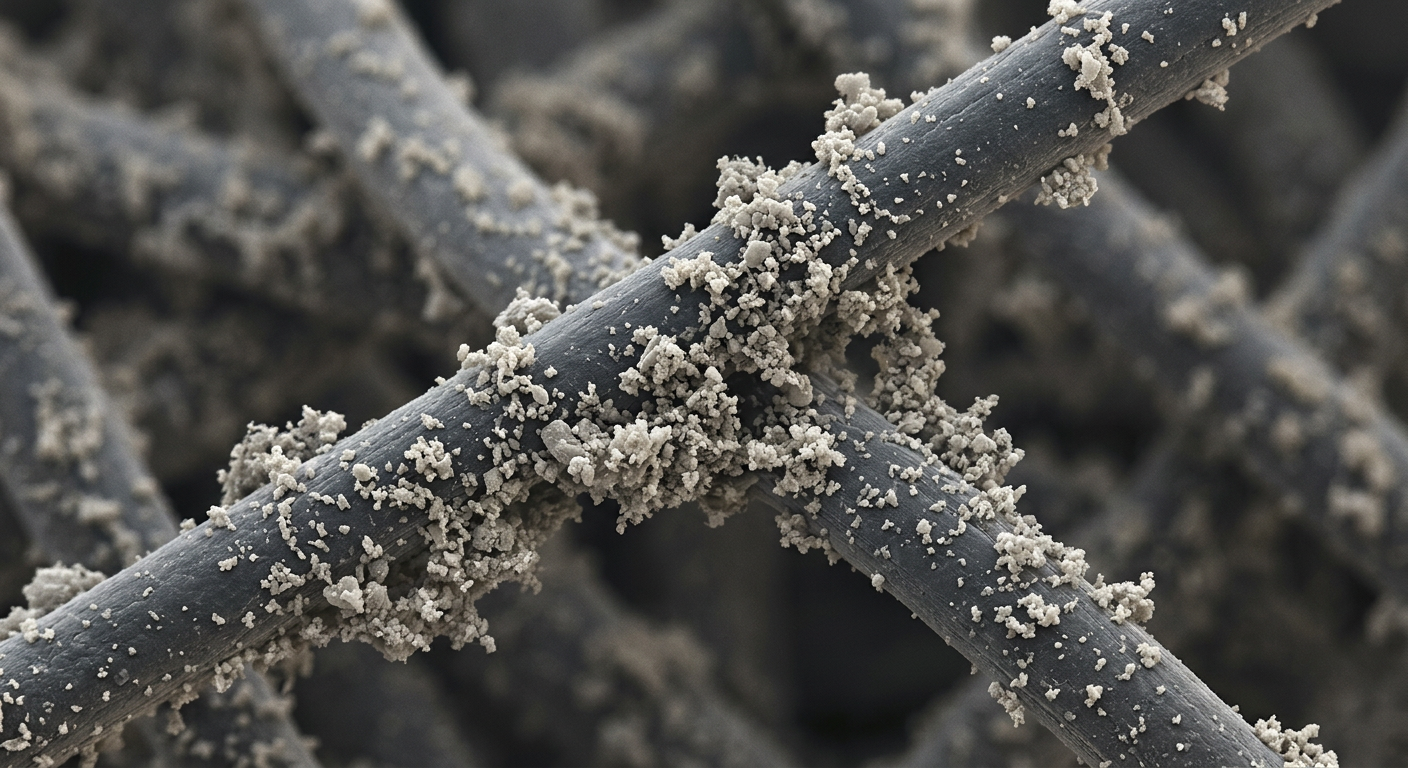
To comprehend why desert environments are so harsh on flooring, we must examine the physical reaction of synthetic materials to extreme weather. Most modern carpets are manufactured from nylon, polyester, or olefin—polymers that are highly sensitive to environmental changes. When indoor temperatures rise and humidity drops below 15%, these materials undergo subtle thermal expansion and contraction.
This constant shifting, combined with foot traffic, generates a significant amount of static electricity through the triboelectric effect. According to a 2026 report by the Textile Research Institute, static charges in ultra-dry environments can hold microscopic dust particles to carpet fibers with up to 400 times the force of gravity. This electrostatic bond makes it nearly impossible for conventional suction vacuums to extract the deeply embedded debris.
As Dr. Elena Rostova, Lead Materials Scientist at the Global Flooring Consortium, explains:
“Prolonged exposure to ambient heat combined with low humidity causes synthetic carpet polymers to become highly receptive to microscopic silica dust. The static charge effectively locks the particles into the fiber matrix, requiring specialized extraction methods to break the bond.”
How HVAC Systems Accelerate Carpet Dirt Buildup Phoenix Homes Face
During the grueling Arizona summers, residential HVAC systems run almost continuously. While essential for survival, this constant circulation of air plays a massive role in distributing particulate matter throughout the home. Every time an exterior door opens, fine desert dust enters the property and is immediately caught in the home’s airflow.
The Environmental Protection Agency (EPA) notes that indoor air can be two to five times more polluted than outdoor air, largely due to trapped particulates. In Phoenix, this trapped air is laden with fine silica sand. As the AC unit pushes this air into different rooms, the heavy particulates eventually settle into the carpet pile, driven deeper by the continuous downward pressure of the air vents.
This continuous cycle is a primary driver of the severe carpet dirt buildup Phoenix properties experience during the summer months. Without proper filtration and regular professional extraction, the carpet essentially acts as the home’s secondary, and often neglected, air filter. Over time, this leads to a noticeable decline in indoor air quality, reducing indoor allergens becomes a major challenge for allergy sufferers.
The Hidden Danger of Silica Abrasion
Not all dirt is created equal. The soil composition in the Sonoran Desert is heavily concentrated with silica, a hard, glass-like mineral. When silica dust settles into your carpet, it doesn’t just sit there; it actively destroys the material. Every footstep grinds these microscopic, razor-sharp particles against the synthetic fibers.
This process, known as fiber abrasion, causes microscopic scratches on the surface of the carpet yarns. These scratches dull the carpet’s appearance, making it look permanently dirty even after a thorough cleaning. According to the Centers for Disease Control and Prevention (CDC), silica dust is not only an abrasive physical hazard but also a respiratory concern when continuously kicked up into the breathing zone.
Research from the Carpet and Rug Institute (CRI) shows that severe silica abrasion can reduce a carpet’s expected lifespan by up to 40%. This highlights why neglecting regular carpet maintenance in a desert climate is a costly mistake that inevitably leads to premature replacement.
Comparison: Summer vs. Winter Carpet Wear in Arizona
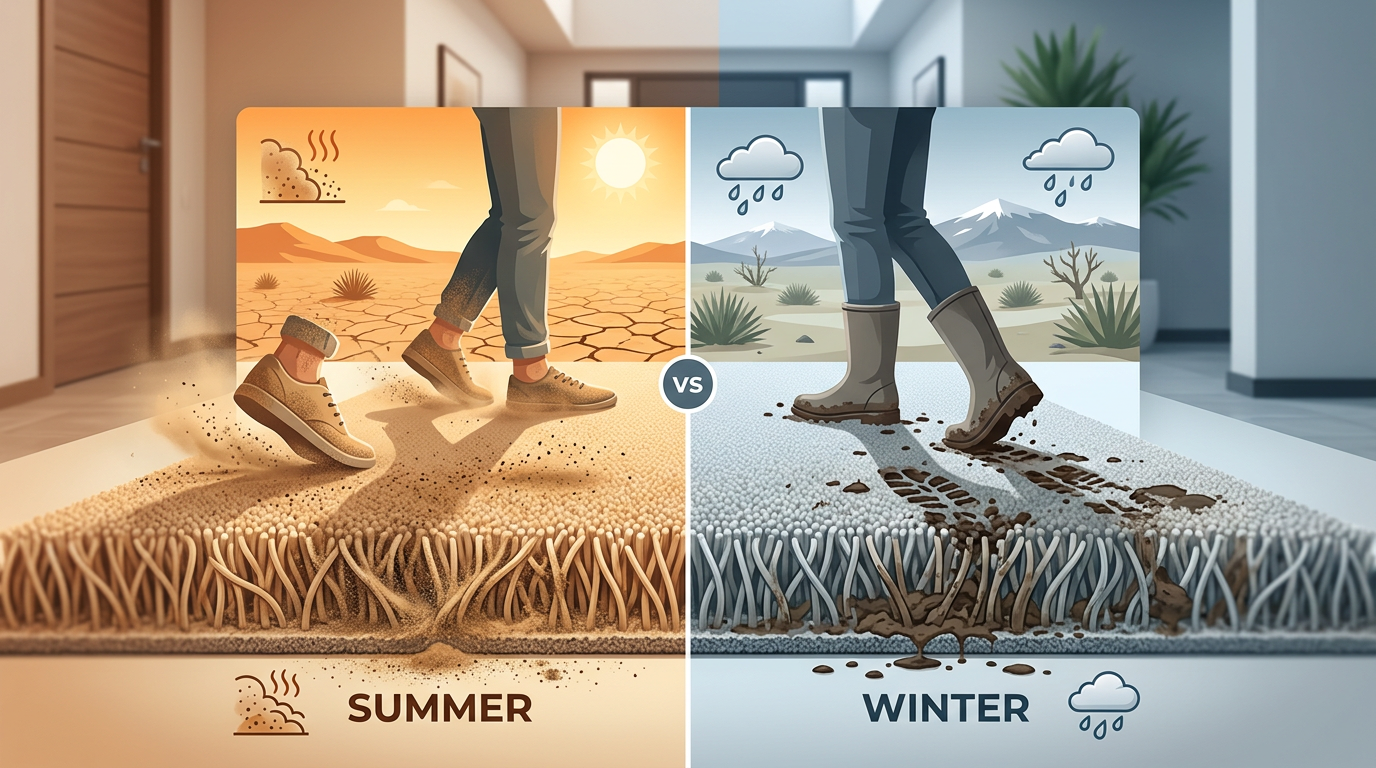
The rate of soil accumulation fluctuates dramatically with the seasons. Understanding these variations allows homeowners to schedule their maintenance more effectively. Below is a detailed comparison of how different seasons impact your flooring.
| Environmental Factor | Summer (May – September) | Winter (November – March) | Impact on Carpet Fibers |
|---|---|---|---|
| Average Indoor Humidity | 10% – 20% | 30% – 45% | Lower humidity in summer exponentially increases static cling and dirt binding. |
| HVAC Circulation | Continuous (High Velocity) | Intermittent (Low Velocity) | Summer AC usage forces airborne dust deep into the carpet pile. |
| Particulate Type | Fine silica dust, dry pollen | Coarser soil, occasional mud | Fine summer dust causes more severe micro-abrasion than winter soil. |
| Soil Accumulation Rate | Accelerated (High) | Moderate (Baseline) | Carpets require 50% more frequent vacuuming during summer months. |
5 Steps to Prevent Severe Soil Accumulation in 2026
To effectively manage the carpet dirt buildup Phoenix residents need a proactive, multi-layered approach. Relying solely on a weekly vacuuming routine is insufficient against the relentless desert environment. Follow these five expert steps to protect your investment.
- Upgrade to HEPA Filtration: Ensure your vacuum cleaner utilizes a genuine HEPA filter. Standard filters simply exhaust fine silica dust back into the air, allowing it to resettle on the carpet. HEPA filters trap 99.97% of particulates down to 0.3 microns.
- Implement a Dual-Mat System: Place an aggressive scraper mat outside every exterior door and an absorbent finishing mat inside. This simple barrier system can capture up to 85% of tracked-in desert soil before it ever reaches your carpet.
- Optimize Indoor Humidity: Use a whole-house humidifier to maintain indoor humidity levels between 35% and 45%. This specific range neutralizes the static electricity that binds dust to synthetic fibers, making vacuuming significantly more effective.
- Adopt Strategic Vacuuming Patterns: Vacuum high-traffic areas slowly, using overlapping strokes in multiple directions. The heat-baked dirt requires agitation from the brush roll to break loose from the carpet pile.
- Schedule Climate-Timed Deep Cleaning: Plan professional hot water extraction at the end of the summer dust storm (haboob) season, and again in early spring. This removes the deeply embedded silica that standard vacuums cannot reach.
Implementing these steps is crucial for extending the lifespan of your flooring and maintaining a healthy indoor environment for your family.
Professional Intervention: When Vacuuming Fails
Despite the most rigorous home maintenance routines, the extreme heat and dry air of Arizona will eventually cause soil to bond chemically and physically with carpet fibers. When this occurs, standard household equipment is no longer viable. This is where professional intervention becomes a scientific necessity.
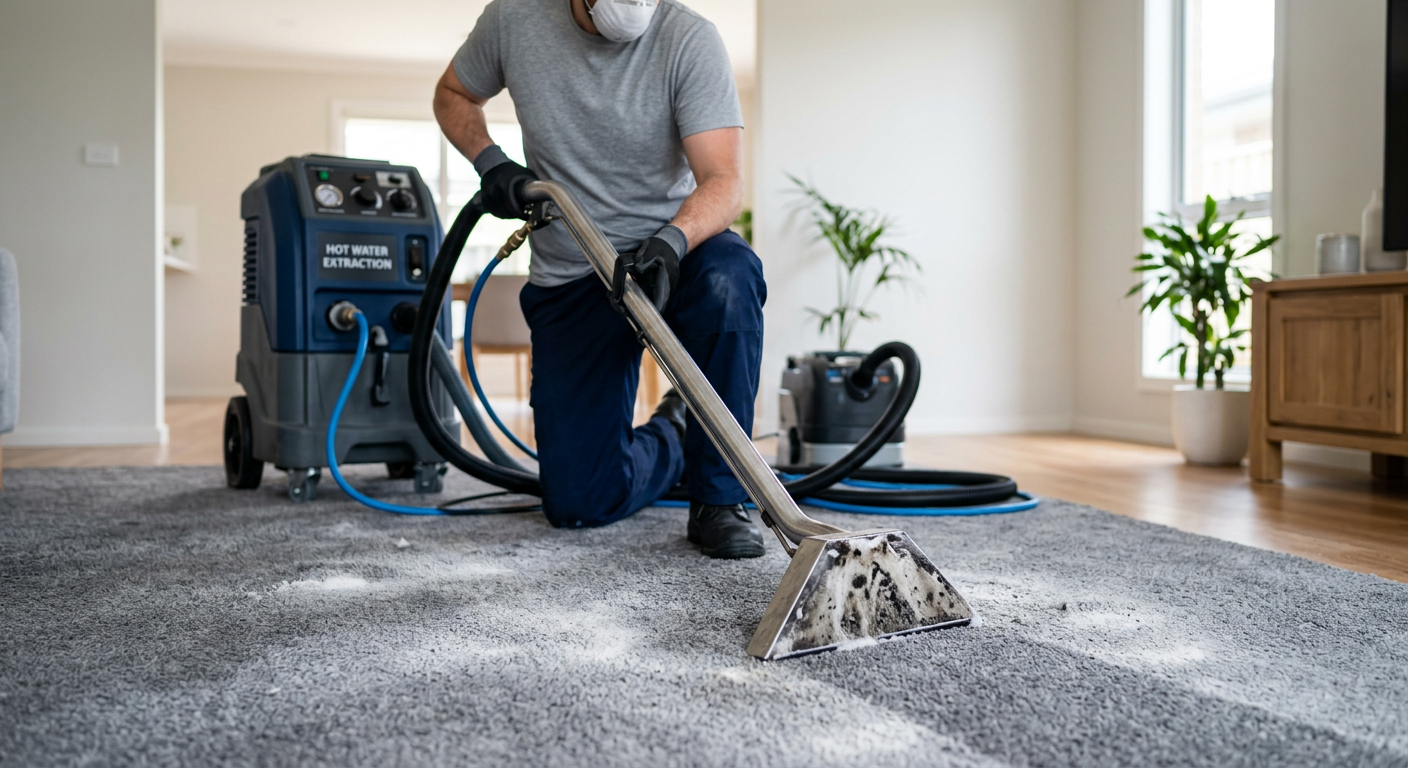
Professional hot water extraction (commonly known as steam cleaning) utilizes water heated to over 220°F. This extreme temperature is necessary to break the electrostatic bonds and dissolve the oily residues that blow in from urban traffic and settle into the carpet. Furthermore, professional truck-mounted systems generate immense vacuum pressure, extracting the heavy silica sand that settles at the very base of the carpet backing.
Marcus Vance, Director of Operations at the Indoor Air Quality Association, states:
“The combination of low humidity and constant HVAC cycling in desert climates creates an electrostatic environment where carpets act as giant particulate magnets. Only high-temperature, high-pressure extraction can reset the carpet’s baseline hygiene.”
Understanding the limitations of standard vacuuming is the first step toward proper floor care. Without professional extraction, the abrasive dirt will permanently alter the carpet’s texture and color.
Case Study: A Maricopa County Rental Property
To illustrate the rapid degradation caused by desert conditions, consider a recent case study of a single-family rental property in Maricopa County. The property featured builder-grade nylon carpeting and was occupied by a family of four with two pets. Over a 14-month period, the HVAC system ran continuously, and the tenants relied on a standard, non-HEPA vacuum cleaner.
Upon inspection at the end of the lease in mid-2026, the carpet exhibited severe traffic lane graying and a stiff, matted texture. Microscopic analysis revealed that the fibers were heavily scored by silica sand, and the carpet backing was saturated with fine particulate matter. The ambient heat had essentially baked the pet dander and dust into the polymer fibers.
This scenario highlights the importance of maintaining rental property flooring through mandatory professional cleaning clauses. Had the property undergone a mid-year hot water extraction, the silica abrasion could have been halted, saving the landlord thousands of dollars in premature replacement costs.
Key Takeaways for Desert Homeowners
The severity of the carpet dirt buildup Phoenix environments produce requires a fundamental shift in how we approach home maintenance. By understanding the science of heat, humidity, and particulate matter, you can take decisive action to protect your home.
- Static Electricity is the Enemy: Low desert humidity creates static charges that lock dust to carpet fibers. Maintaining indoor humidity around 40% mitigates this issue.
- Silica Dust Destroys Fibers: The fine sand in Arizona acts like microscopic sandpaper, permanently scratching and dulling your carpets if not removed promptly.
- HVAC Systems Spread Soil: Constant air conditioning circulation forces airborne dust deep into the carpet pile, bypassing standard surface vacuuming.
- Professional Extraction is Mandatory: High-temperature hot water extraction is scientifically required to break the electrostatic bonds of heat-baked dirt.
- Prevention Starts at the Door: Implementing a strict dual-mat system and a no-shoes policy are the most effective ways to reduce soil entry.
By integrating these strategies, you can successfully combat the unique challenges of desert living and keep your carpets looking pristine year-round. Always watch for the indicators that deep cleaning is required, such as flattened traffic areas or lingering dusty odors.
Frequently Asked Questions (FAQ)
Below are common questions regarding floor care in extreme heat environments.
What is the main cause of the carpet dirt buildup Phoenix homes experience?
The primary cause is the combination of ultra-low humidity and high heat, which creates static electricity in synthetic fibers. This static charge acts like a magnet, pulling airborne silica dust and pollutants deep into the carpet pile where they become trapped.
How often should I vacuum my carpets during an Arizona summer?
During the peak summer months, you should vacuum high-traffic areas at least three times a week using a HEPA-filtered vacuum. The constant use of HVAC systems circulates more dust, requiring more frequent removal to prevent fiber abrasion.
Does the extreme heat actually melt dirt into the carpet?
While it doesn’t literally melt the dirt, high ambient temperatures can cause synthetic fibers to expand slightly, allowing microscopic particles to settle deeper. Additionally, heat can bake oily residues from cooking and skin contact into the fibers, making the dirt highly resistant to standard vacuuming.
Why do my carpets look dull even after I vacuum thoroughly?
This dullness is usually caused by silica abrasion. The fine desert sand acts like sandpaper, creating microscopic scratches on the carpet fibers that permanently alter how they reflect light, resulting in a dull, gray appearance.
How can I reduce the static electricity in my carpets?
The most effective way to reduce static electricity is to introduce moisture into the air using a whole-house humidifier, aiming for 35% to 45% indoor humidity. Additionally, applying a professional anti-static treatment after a deep clean can provide long-lasting protection.
Is professional steam cleaning safe for carpets in extreme heat?
Yes, professional hot water extraction is highly recommended and perfectly safe. In fact, the low ambient humidity in Phoenix allows carpets to dry exceptionally fast after a professional cleaning, usually within 2 to 4 hours, preventing any risk of mold or mildew.
How does managing high-traffic floor areas differ in a desert climate?
Managing high-traffic floor areas in the desert requires aggressive preventative measures, such as dual-mat systems at entryways and strict no-shoes policies. Because the tracked-in soil is highly abrasive silica, these areas will degrade twice as fast as they would in a temperate climate if not protected.
Conclusion: Don’t Let the Desert Destroy Your Floors
Living in the Phoenix desert means your carpets are up against much more than just everyday foot traffic. The relentless combination of extreme heat, ultra-low humidity, and continuous HVAC circulation creates an electrostatic trap that pulls abrasive silica dust deep into your synthetic carpet fibers. Once embedded, this glass-like sand acts as microscopic sandpaper, permanently dulling, scratching, and destroying your flooring from the inside out. Because standard vacuuming simply cannot break these heat-baked bonds, professional Carpet Cleaning Phoenix AZ is a scientific necessity. By taking targeted action to neutralize static cling and flush out desert soil, you can protect your indoor air quality and save thousands of dollars in premature replacement costs.
Schedule Your Free Assessment
Call us today! (602) 603-4781 to have our team evaluate your home’s carpets. We’ll identify any embedded silica dust, heat-baked soils, or fiber abrasion, recommend our professional hot water extraction solutions, and provide transparent pricing for any needed work.
Contact Barefoot Clean Floors today at (602) 603-4781. Keep your carpets free of abrasive desert soil, improve your indoor air quality, and extend the life of your flooring!
