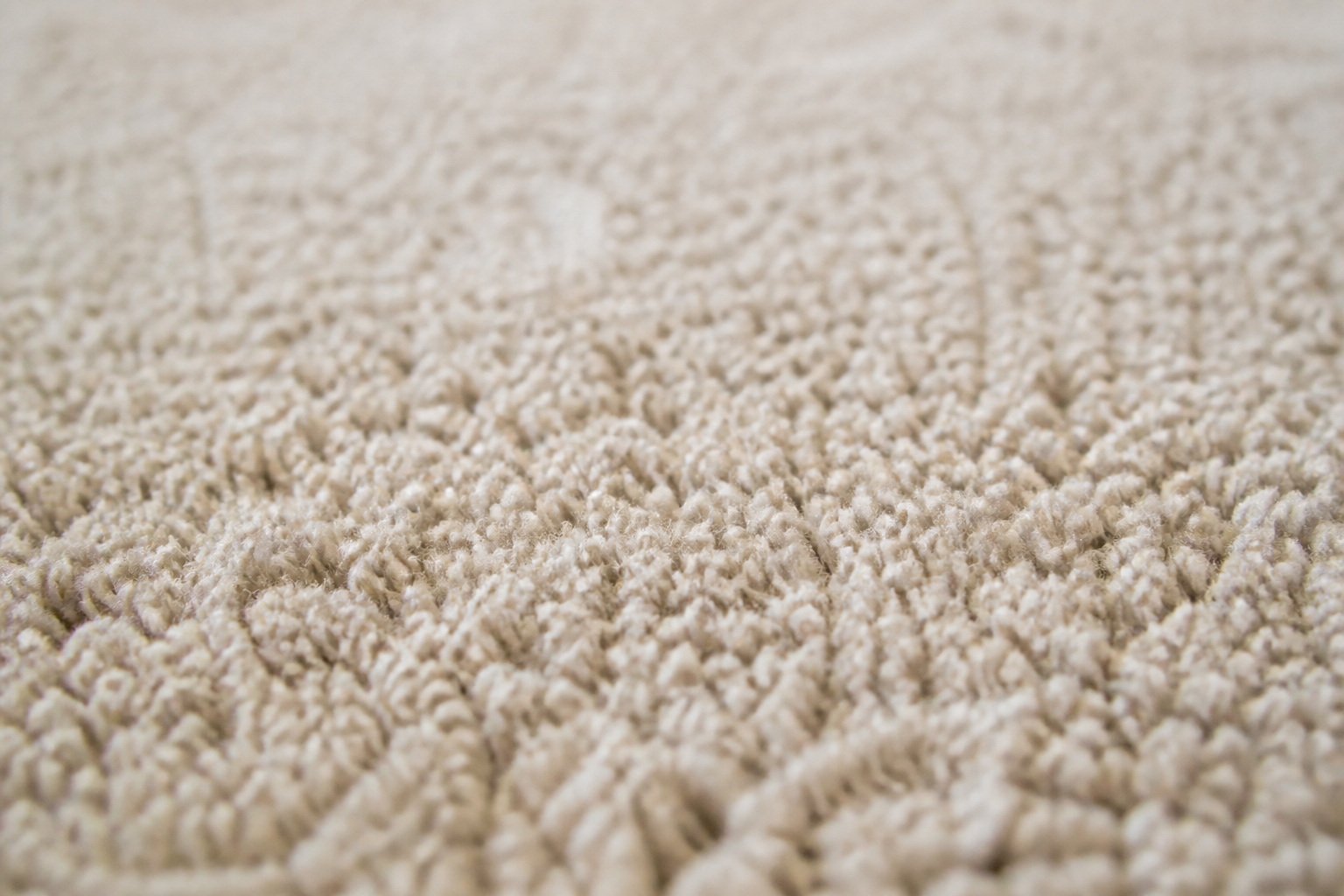

Carpet fiber types Phoenix homeowners live with every day—nylon, polyester, olefin, wool, and blends—each respond differently to desert dust, sun exposure, and cleaning methods. Knowing what your carpet is made of helps you vacuum appropriately, treat spots safely, and talk with a professional cleaner about realistic results.
This article summarizes widely accepted fiber characteristics from industry and manufacturer-neutral sources. It is not a substitute for your carpet label or warranty documents. When you are ready for service, Barefoot Clean Floors offers Steam Carpet Cleaning Phoenix using eco-friendly, non-toxic methods for residential and commercial properties.
Key Takeaways
- Nylon is a common synthetic fiber valued for resilience and durability in residential carpet.
- Polyester often offers strong color clarity and can resist some stains, but may mat in heavy traffic depending on construction.
- Olefin (polypropylene) resists moisture and many chemical stains but can hold oily soils if not maintained.
- Wool is a natural fiber that requires gentle care and appropriate cleaning chemistry.
- Phoenix dust and grit affect all fibers; regular vacuuming and periodic professional extraction support long-term appearance.
Why Fiber Type Matters in Phoenix Homes
Climate and lifestyle influence how carpet wears. Fine desert soil tracked indoors acts like abrasive particles in the pile. Strong sun through windows can contribute to fading over time on some fibers and dyes. Children, pets, and pool-area foot traffic add moisture, chlorine residues, and body oils that interact differently with nylon, polyester, olefin, and wool.
Before booking cleaning, locate any remaining carpet sample, manufacturer tag, or purchase paperwork. If fiber content is unknown, a professional can often identify common types during inspection and adjust method accordingly.
Nylon: Resilience and Wide Use
Nylon is among the most widely used synthetic carpet fibers in U.S. residential products. The Carpet and Rug Institute describes nylon as durable and resilient, meaning fibers can recover shape after compression in many constructions. That resilience can help hallways and stairs tolerate repeated foot traffic when the carpet is maintained.
Nylon accepts dye well, so it appears in a broad range of colors and patterns. It can be susceptible to certain acid-based stains if not treated promptly—think some food spills or pet accidents—so blotting and professional cleaning remain important. In Phoenix, regular vacuuming helps remove gritty soil that can dull nylon’s surface over time.
Polyester: Color and Comfort Considerations
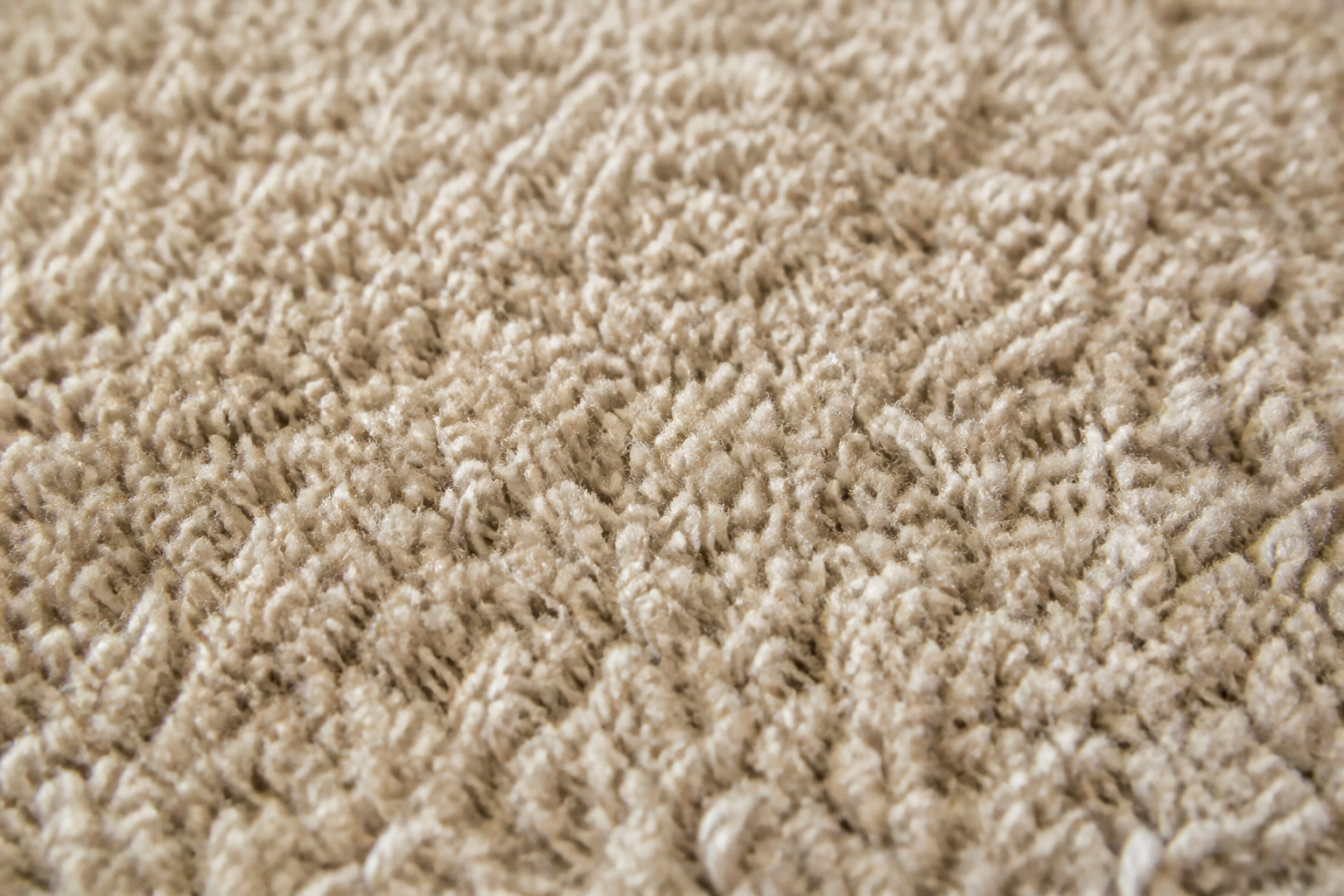
Polyester carpet fibers are known for color clarity and stain resistance to many water-based spills in numerous product lines. Polyester is not identical across all carpets; construction, density, and face weight influence performance. In heavy traffic lanes, some polyester carpets may show matting or crushing sooner than dense nylon, depending on how the product was manufactured.
Phoenix homeowners with polyester carpet in bedrooms or formal areas often see good long-term appearance with regular care. In main hallways or media rooms, pay extra attention to vacuum frequency and consider professional cleaning on a schedule matched to use. Avoid excessive heat when DIY spotting unless the manufacturer specifically allows it.
Olefin (Polypropylene): Moisture-Resistant Synthetic
Olefin, also called polypropylene, is a synthetic fiber often used in loop carpets, indoor-outdoor styles, and basements. CRI and manufacturer literature commonly note olefin’s resistance to moisture, mildew, and many chemical stains. That can make it a practical choice near patio sliders or in homes where wet shoes occasionally cross the floor.
Olefin has an affinity for oily soils. Cooking grease, sunscreen, and some automotive residues can bond with the fiber if left unattended. In desert climates, dust plus skin oils from bare feet can combine in entry paths. Vacuum regularly and address oily spots with methods suited to olefin—when in doubt, consult a professional rather than experimenting with harsh solvents.
Wool: Natural Fiber With Specific Care Needs
Wool is a natural protein fiber valued for softness, insulation, and luxury appearance. It requires gentler cleaning chemistry than many synthetics. Excessive alkalinity or aggressive scrubbing can damage wool fibers or cause dye migration in some rugs and carpets. Professional cleaners trained in wool care can select appropriate products and extraction levels.
Phoenix sun and low humidity can affect wool rugs and carpet differently than synthetics. Rotate area rugs when possible to distribute light exposure, and vacuum without a beater bar on delicate wool surfaces if manufacturer guidance recommends it. For whole-home wool carpet, discuss fiber-specific pre-testing before hot-water extraction.
Blends and Trade Names
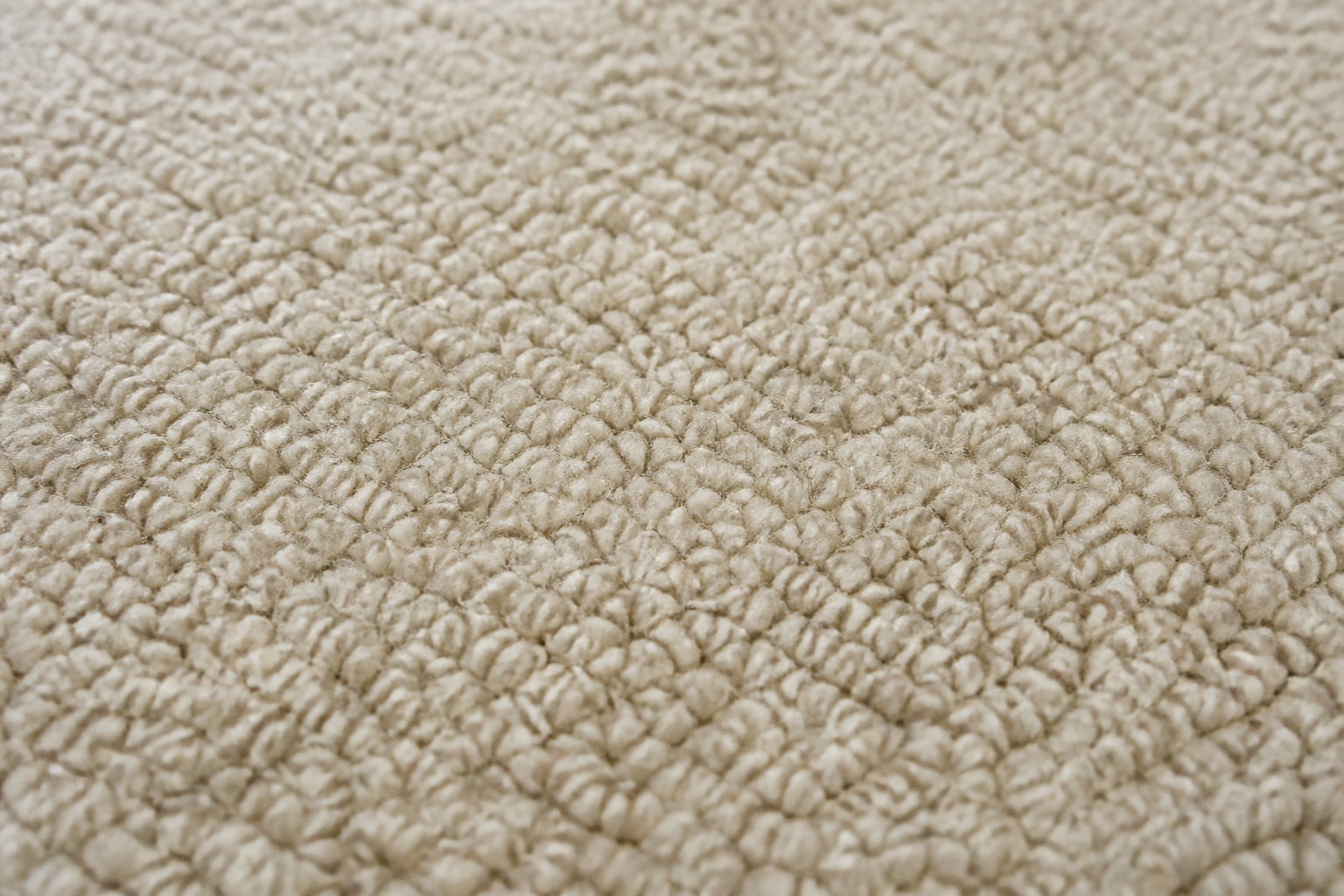
Many carpets combine fibers—for example, nylon and wool blends or polyester-nylon mixes—to balance cost, feel, and performance. Marketing names for fiber lines do not replace the content label. Always read the fiber percentage on spec sheets when available.
Trade names describe how a fiber was engineered, not a separate material category. Your cleaner cares most about the underlying fiber chemistry and carpet construction (cut pile, loop, cut-and-loop, density, and backing type).
How Fiber Type Affects Professional Cleaning
Hot-water extraction remains a common professional method for many residential synthetics. Fiber type influences pre-spray selection, agitation level, and drying approach. Eco-friendly, non-toxic cleaning can be appropriate across many fiber types when products are matched correctly. Questions about process and timing are covered in Top 5 carpet cleaning questions Phoenix homeowners ask.
Inform your provider about known wool content, previous spotter use, and warranty requirements. Some manufacturers require specific cleaning methods to keep coverage valid.
Desert Dust, Allergens, and Fiber Maintenance
Regardless of fiber, Phoenix homes benefit from entry mats and routine vacuuming to limit abrasive dust. Cleaning can also address accumulated particles that vacuuming alone may not extract. Read Does carpet cleaning help with Phoenix dust and allergens? for related context.
Pet households add hair and dander that cling differently to cut pile versus loop pile. See How carpet cleaning helps Phoenix families with pets for maintenance habits that complement fiber-aware care.
Spotting Tips by Fiber (General Guidance)
- All fibers: Blot liquids; scrape solids gently; work from the edge of a stain inward.
- Nylon and polyester: Use manufacturer-approved spotters; rinse with water and blot dry.
- Olefin: Address oily stains promptly; avoid heat that may set oils.
- Wool: Use wool-safe products; avoid bleach and high-alkaline cleaners unless directed by a specialist.
When desert soil creates gray paths, see How to remove Arizona desert dirt from carpet fibers for maintenance-oriented steps that apply across many fiber types.
Choosing Carpet With Phoenix Conditions in Mind
If you are replacing carpet, consider room use, sun exposure, and whether pets or pool access increase soil load. Dense construction with appropriate cushion often matters as much as fiber name. A showroom associate or installer can explain fiber content and recommended care in writing.
Existing carpet can still perform well with the right maintenance plan. Match vacuum frequency to traffic, treat spills early, and schedule professional cleaning before fibers look permanently dull.
Reading Carpet Labels and Warranty Language
Manufacturer labels often list face fiber, backing material, and recommended cleaning methods. Warranty booklets may require periodic professional cleaning to remain valid—typically with hot-water extraction rather than unrelated processes. Keep a copy in your home file so you can share requirements when booking service.
If a prior owner installed carpet without records, look under a closet flap or along a tucked edge where installers sometimes leave extra swatches. Area rugs usually carry tags with fiber symbols that follow industry conventions for wool, nylon, and other materials.
Frequently Asked Questions
How can I tell what fiber my carpet is?
Check leftover carpet samples, installation invoices, or labels on the back of area rugs. If documentation is missing, a professional cleaner can often recognize common fiber types and may suggest testing when uncertain.
Is nylon or polyester better for Phoenix traffic areas?
Both are used successfully in Arizona homes. Nylon is widely regarded for resilience in heavy traffic when carpet density and construction are appropriate. Polyester may suit moderate-traffic rooms. Evaluate the specific product, not fiber name alone.
Can wool carpet be steam cleaned?
Many wool carpets can be professionally cleaned using controlled moisture and fiber-appropriate chemistry. Inform your provider that the carpet is wool and ask about pre-testing and method selection.
Does olefin carpet need different vacuuming?
Vacuum olefin on a regular schedule like other synthetics, with attention to oily entry paths. Use a vacuum recommended for your pile type and follow CRI guidance on filter maintenance when applicable.
Will fiber type change how often I should clean professionally?
Traffic, pets, and soil levels usually drive frequency more than fiber alone. Homes with heavy use or allergy concerns may schedule cleaning more often regardless of whether carpet is nylon, polyester, olefin, or wool.
Conclusion
Understanding carpet fiber types Phoenix residents have installed—nylon, polyester, olefin, wool, and blends—helps you maintain appearance and choose appropriate professional care. Match vacuuming and spotting methods to fiber needs, disclose fiber content when booking service, and plan periodic extraction to manage desert soil. For eco-friendly carpet cleaning in the Phoenix area, contact Barefoot Clean Floors at (602) 603-4781 or visit Barefoot Clean Floors.
References
- Carpet and Rug Institute (CRI) — fiber types, care, and vacuuming guidance.
- U.S. Environmental Protection Agency — indoor air quality considerations for households.
